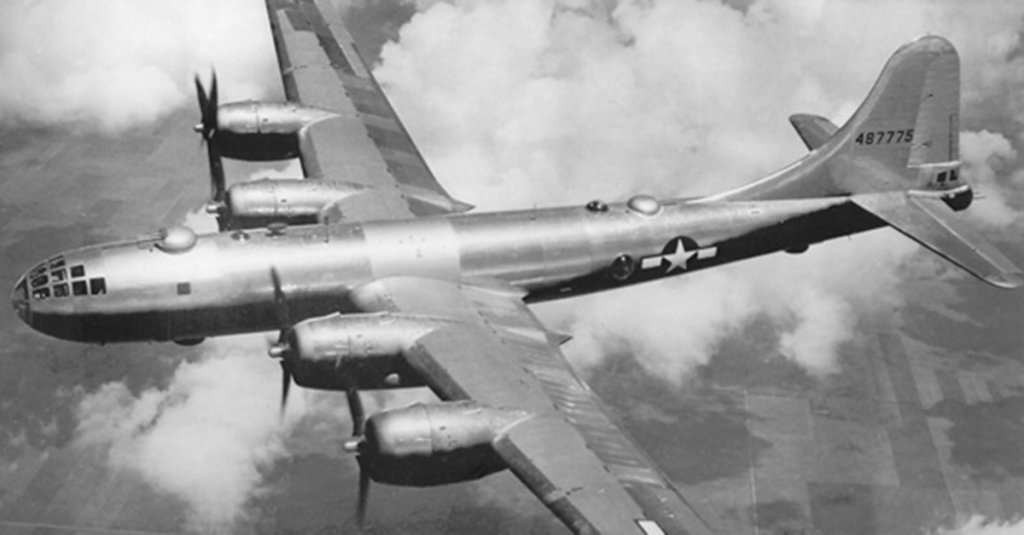
The Manhattan Project, America’s nuclear bomb program, was one of the most expensive research and development undertakings of World War II.
In total, the program cost about $2 billion, or approximately $36 billion in 2026 when adjusted for inflation. However, one program was 50% more expensive than the Manhattan Project: the B-29 Superfortress.
Related: This B-29 is the only bomber to become a jet ace
It was pushed through, though. After all, it was necessary for the Manhattan Project to work and the war to be won.
Coming to China’s Aid
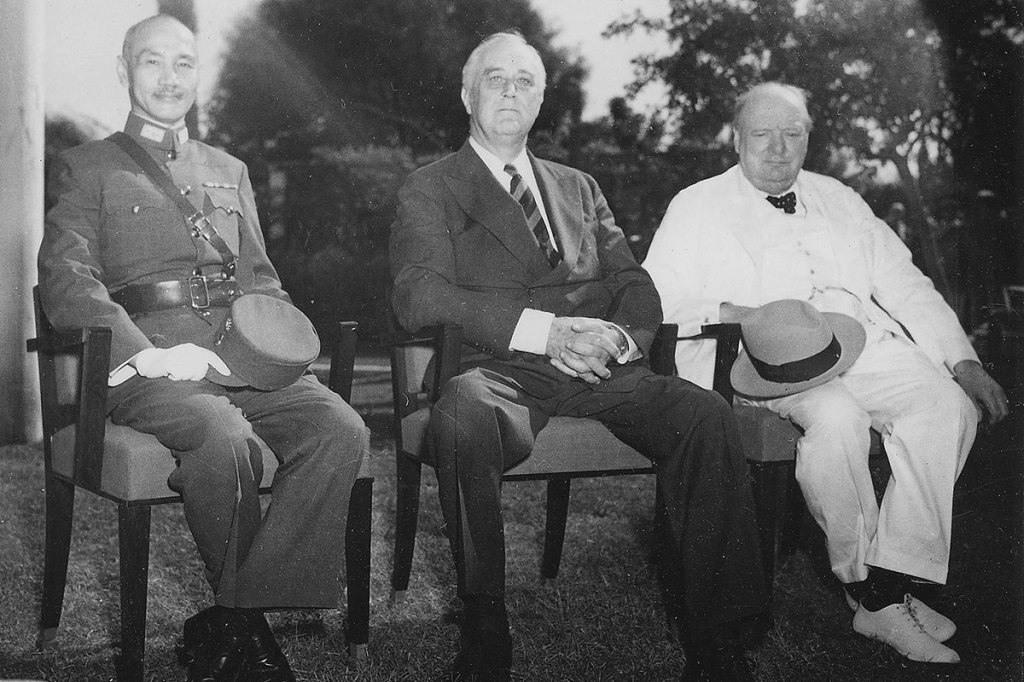
Since 1937, China had been fighting the Japanese largely on its own. By 1943, President Franklin D. Roosevelt feared that China would pull out of the war amid mounting losses. If so, that would free a large portion of Japan’s military to refocus its efforts against the U.S.
At the Cairo Conference in November 1943, Roosevelt pledged his support to Chinese Gen. Chiang Kai-shek and his fight against the Japanese. Roosevelt committed America’s newest bomber, the Boeing B-29 Superfortress, to bomb Japan from bases in China and India by the spring of 1944.
Less than 100 B-29s were built by the time Roosevelt made his promise to the Chinese. Only 15% of them were actually flyable. The revolutionary long-distance, high-altitude bomber was incredibly complex and required extensive testing and evaluation to make it combat-worthy. Wartime pressure and Roosevelt’s promise only further strained the bomber’s development.
Playing Catch-Up with the B-29 Superfortress

B-29 Superfortress: Inside America's Ultimate WW2 Bomber
Additionally, the sophisticated aircraft needed highly trained crewmembers to fly it. Less than 75 pilots were checked out in the B-29 when the Cairo Conference started. Very few aircrews were fully trained and certified on it.
Workers also were trained on how to build the B-29. With its pressurized cabin, central fire-control system, and four massive 18-cylinder, 2,200-horsepower engines, among other complexities, the B-29 was not an easy plane to build. Initially, the building of one aircraft required more than 150,000 man-hours.
The B-29 was needed to fulfill Roosevelt’s promise, because it exceeded the range of America’s existing B-17 Flying Fortress. While a capable bomber in its own right, the B-17 just didn’t have the legs for a round-trip bombing run to the Japanese mainland. It was also incapable of carrying and delivering the atomic bomb that the Manhattan Project was developing.
Only the B-29 could deploy the nuclear weapons in development.
Because of that, little regard was given to cost, monetary, or labor as development of the B-29 pressed on. Although B-29s and their components were assembled across the country from Washington to Georgia, the majority of B-29 work was done at Boeing’s plants in Wichita, Kansas.
A Promise Not Met
With production so rushed, much of the assembly line was located outdoors.
The workforce battled heavy snowfall and negative temperatures during the winter of 1943-1944 to keep B-29s flowing into the hands of aircrews. On some days, workers could only operate in 20-minute stretches before they retreated to the warmth of gasoline heaters laid out on the flight line.
Roosevelt’s promise was not met, however. He determined it was close enough, though. The first 130 B-29s made the 11,500-mile journey from the U.S. to airbases in China and India by May 8, 1944. On June 15, 68 B-29s took off for the first bombing of the Japanese mainland since the Doolittle Raid of 1942.
Unfortunately, the mission failed to hit its target and resulted in the loss of six aircraft. This was a huge blow to the B-29 program. After all, the remote bases in China and India could only be resupplied by air, which was risky and limited in capacity.
LeMay Placed in Charge of Japan
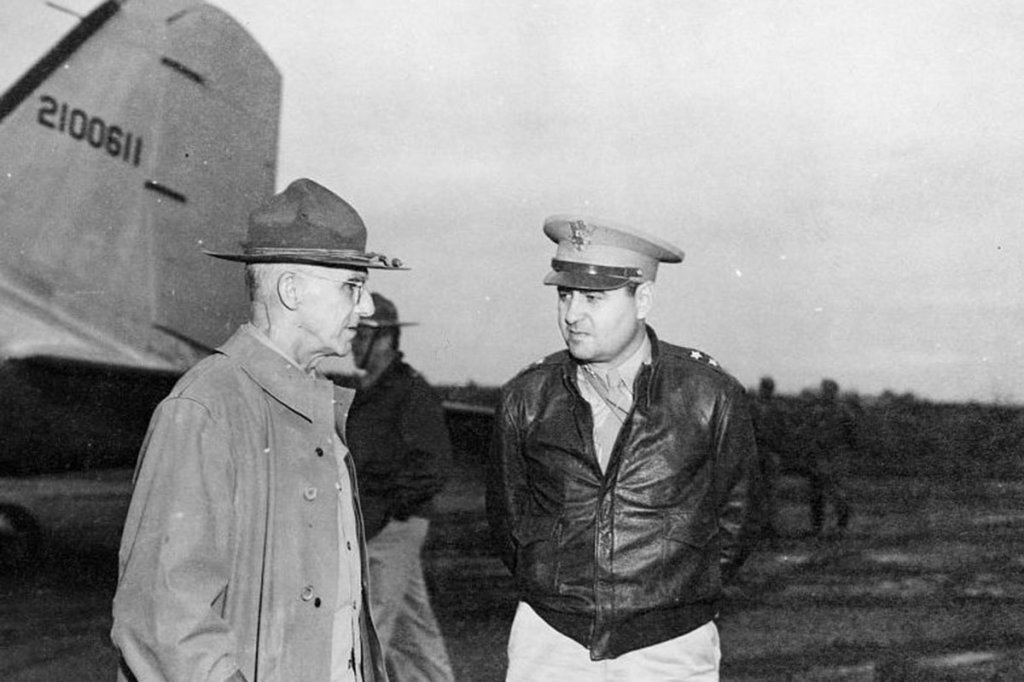
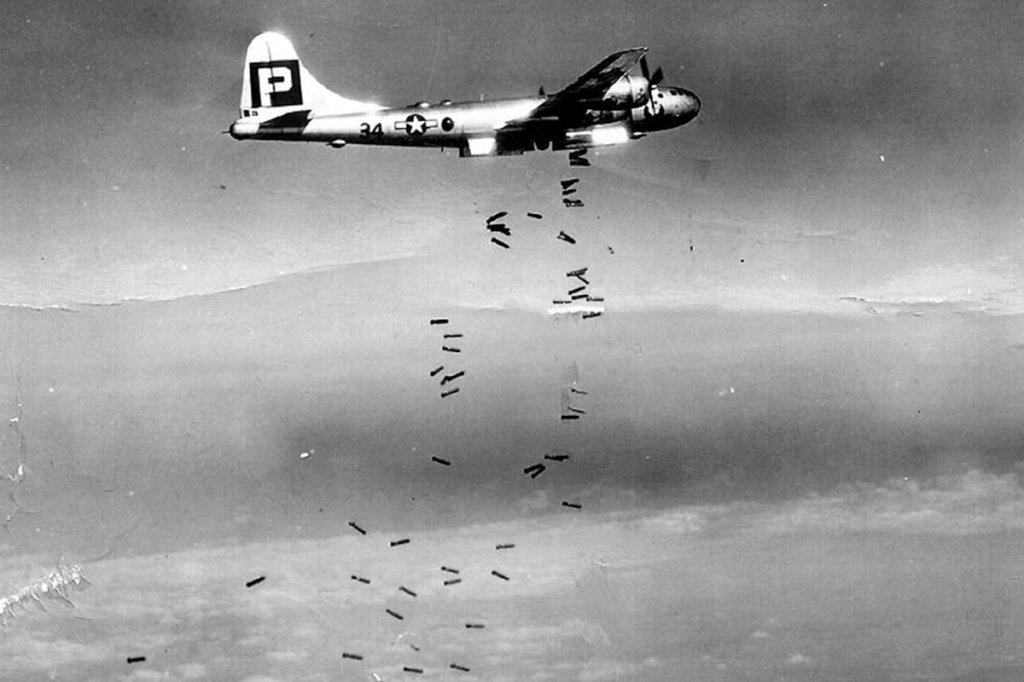
In January 1945, Gen. Henry “Hap” Arnold placed Gen. Curtis LeMay in charge of operations against Japan. LeMay switched the B-29’s tactics from high-altitude precision bombing, which was largely ineffective, to low-level firebombings. This switch affected Japan greatly since its cities consisted largely of wood.
Moreover, the capture of the Marianas gave the U.S. a base from which to launch B-29s with easier and more consistent supply access by ship. With the delivery of two atomic bombs on August 6 and 9, the B-29 proved its worth as a strategic bomber.
Under LeMay’s leadership, the aircraft’s image changed. It went from being viewed as an over-budget governmental waste to a symbol of American airpower in the nuclear age.