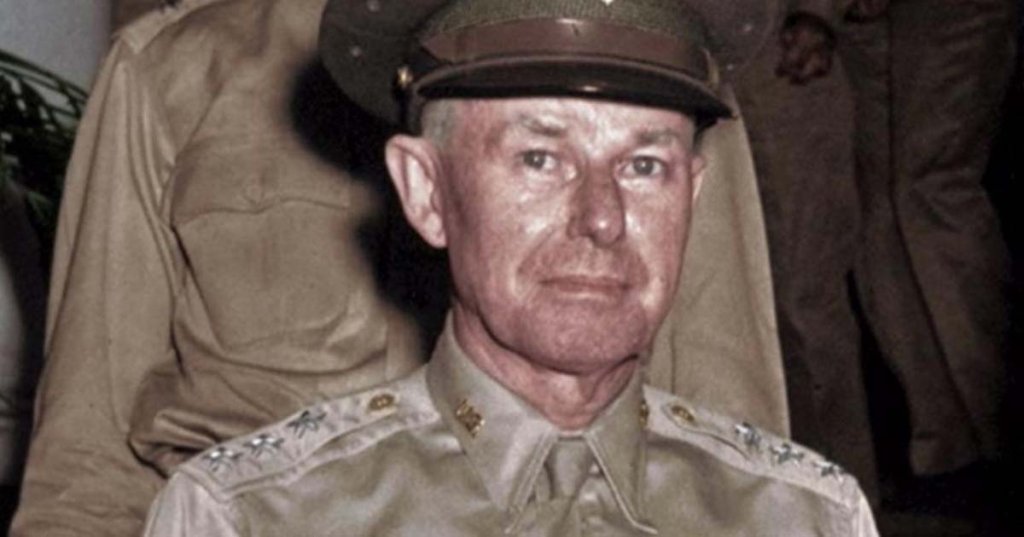
Army Lt. Gen. Walter C. Short and Navy Adm. Husband Kimmel, the senior Army and Navy commanders at Pearl Harbor, certainly fell short in December 1941, and their failures compounded those of others in the weeks leading up to the infamous battle.
But the fact that they received nearly all of the blame for the failures at Pearl Harbor is a miscarriage of justice that overlooks their many requests for additional weapons, land, equipment, and troops. Such requests, if granted, would have allowed defenders on the island to much more quickly and effectively sling lead back at their Japanese attackers.
Take, for starters, then-Army Chief of Staff Gen. George C. Marshall’s letter to Short on the day Short took command, Feb. 7, 1941—exactly 10 months before the attack.
Also Read: This plane survived Pearl Harbor and struck back at Midway
In the letter, Marshall opens with an assessment of Short’s new Navy counterpart, Kimmel, and how Kimmel had recently complained about shortages of defensive Army materiel.
Marshall explains, point-by-point, when he will provide certain pieces of equipment to Short and why other pieces cannot be found. He acknowledges a shortage of:
- Anti-aircraft guns, especially .50-cal. machine guns and 3-inch anti-aircraft guns
- Planes, especially fighter and pursuit planes, but also medium bombers
- Barrage balloons, of which the U.S. had only just begun real manufacture
Short accepted Marshall’s timeline for new equipment delivery and immediately started working with Kimmel on a wishlist for improving their defenses. The list continued to grow longer as the men identified additional weak points in their position.
In meetings that also included Rear Admiral Claude C. Bloch, the men decided that they needed additional land over which to disperse aircraft. This move would’ve drastically reduced the number of planes that could be damaged in a single enemy wave.
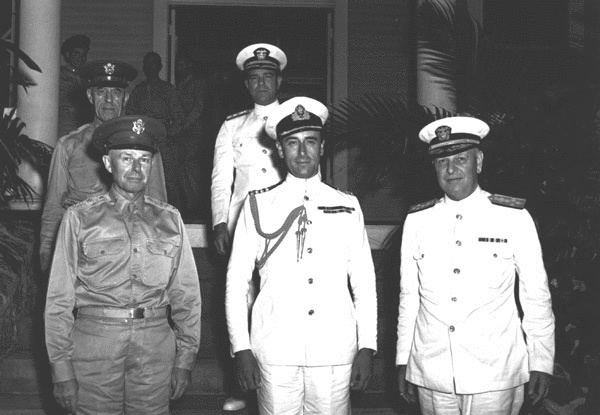
The three men also called for improvements of harbor defense and anti-aircraft defense, as well as the purchase of spotlights.
Similarly, the group agreed upon new rules for air operations around Hawaii, especially noting the importance of coordination for the pursuit and interception of an enemy air attack, as well as the control of bombers when leaving Hawaii to attack an enemy fleet.
As the meetings were going on, Short had already dispatched two of his highest subordinates to the mainland to watch intercept operations. The idea was to learn how to best set up operations on Hawaii with new equipment being installed at Pearl, including radars for identifying attacks from as far as 80 miles offshore. They returned on Dec. 4, 1941, too late for their ideas to be implemented before the surprise attack.
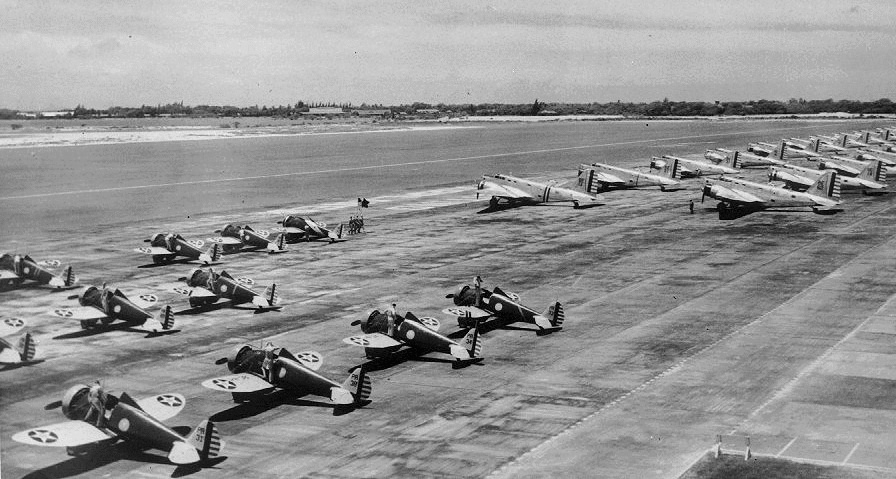
Not that the radars would have completely changed the situation on the ground, since air defense crews were often not allowed to practice emplacing their guns in position during exercises because most of their positions were on private property. And almost none of them had engaged in live gunnery practice, due to ammo shortages and the prioritization of sending what ammo was available to the Philippines or the Azores.
As all this was happening, Marshall was recommending to President Franklin Roosevelt that Hawaii was nearly impregnable and that planes and other vital assets could be moved off the islands to reinforce other positions. As a result, Short lost nine of his 21 heavy bombers to the Philippines.
Then, Short received the Nov. 27, 1941, “Do or Don’t” message, which essentially told him that an attack could come at any time, but that he must prepare for it while ensuring that absolutely none of his preparations alert the local populace or appear to be aimed at Japan, since that could sway public opinion should war break out.
“Negotiations with the Japanese appear to be terminated to all practical purposes with only the barest possibilities that the Japanese Government might come back and offer to continue. Japanese future action unpredictable, but hostile action possible at any moment. If hostilities cannot, repeat cannot be avoided the United States desires that Japan commit the first overt act.
This policy should not, repeat not be construed as restricting you to a course of action that might jeopardize your defense. Prior to Japanese action you are directed to undertake such reconnaissance and other measures as you deem necessary, but these measures should be carried out so as not, repeat not, to alarm the civil population or disclose intent. Report measures taken. Limit the dissemination of this highly secret information to minimum essential officers.”
The telegram carried Marshall’s name, but had actually been written by a committee in Washington while Marshall was in Louisiana.

Finally, though Washington knew for hours before the attack that it would likely start at 1 p.m., they waited to send word to Short and only used a telegram when they did. Short and Kimmel didn’t see the telegram until after the attacks.
In the end, American planes on Hawaii were concentrated in too few places for effective dispersal; air defenders were under-trained, under-equipped, and under-supplied; defense infrastructure was underdeveloped; and what improved defense measures Short and Kimmel were able to implement despite supply shortages were still a few months (or, in some cases, a few weeks) from full maturity.
The general officers cannot sidestep the fact that their respective commands took massive losses in an attack that had been proven possible by American forces almost a decade previously.
But it is not fair for the American public and Washington to lay the blame solely on them when priorities and complacency in Washington, as well as breakdowns of essential communications, left the commands under-supplied and under-informed at the start of American involvement in one of mankind’s bloodiest conflicts.