In the earliest days of the American Republic, the United States was governed by the Articles of Confederation. It left the country less like a more perfect union and more like a disorganized rabble – and the U.S. military was as disjointed as the rest of the government. When the U.S. Constitution finally replaced the Articles of Confederation on March 4, 1789, the government became more organized, but the military still needed some improvement.
Nowhere would that become more apparent than the Army’s first foray against the American Indian tribes that lived west of the 13 original colonies. Those tribes would deliver the United States its worst military defeat ever, one that it would not soon forget.
The Treaty of Paris, which ended the American Revolution, awarded all lands east of the Mississippi River and south of the Great Lakes to the newly established American government. While that sounded great on paper, those areas were not as developed as the original 13 colonies. Much of it was unknown and unclaimed wilderness. Still, Americans were determined to expand westward.
While Britain might have ceded its claims to the land, no one consulted the countless native tribes that still lived in the area at the time. Native leaders did not recognize American sovereignty over the region, but the U.S. government needed to sell the land to pay its Revolutionary War debts, and settlers were willing to buy. None of them asked the Natives what they thought, either.
Almost immediately, white settlers clashed with the tribes in sporadic violence, forcing the U.S. government to step in. But the U.S. Army that came to their defense was not the army that won the American Revolution. There were few professional soldiers available to fight the natives. When Gen. Joshua Harmar first moved on the natives in Ohio and Kentucky, they were chewed up and spit out by the Miami and Shawnee tribes. Harmar’s forces broke and fled so fast that they left their dead on the battlefield.
Harmar’s failure forced now-President George Washington to get more aggressive in the new territory. Washington dispatched Gen. Arthur St. Clair at the head of 2,000 men, some on six-month enlistments and some Kentucky militia, to quell the native violence.
Aside from the lack of organization of both the Army and the U.S. government, St. Clair’s army had a lot going against it from the start. Being comprised of short-term enlistees and militiamen, they were poorly trained and poorly equipped. Supply issues caused a shortage of food and horses, and what the army did have was not the kind of quality it needed. To top it all off, St. Clair suffered from gout, and the army’s poor fortunes led to a series of desertions and delays.
But, as the saying goes, you go to war with the army you have, not the army you’d like to have. Which, in this case, turned out to be a terrible mistake, maybe the army’s worst-ever mistake in its more than 250-year history.

St. Clair’s objective was the Miami settlement of Kekionga, which served as a sort of capital for the tribes. He moved out in October of 1791 on his way to Kekionga, and the natives harassed his army the entire way. But St. Clair’s force never really made it to attack the Natives where they lived; the Natives came to them.
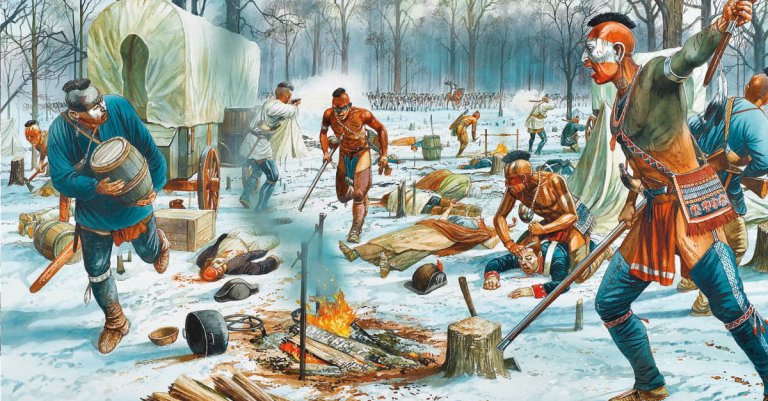
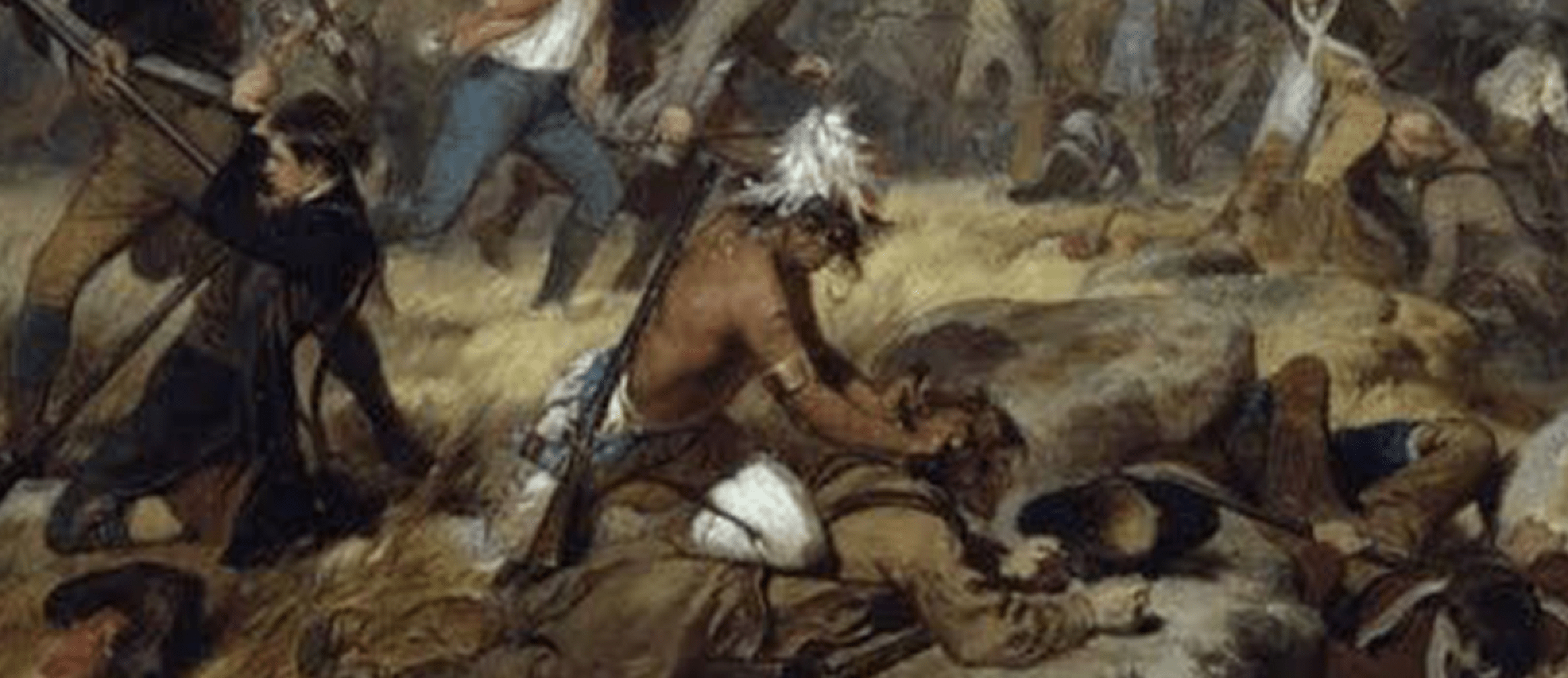
By Nov. 3, 1791, the tribes in the area had amassed a force of more than 1,000 warriors, and they attacked at the worst possible time for the Americans. St. Clair’s Army had just broken for an evening meal, and many were without weapons. When the surprise attack came, the militiamen immediately fell apart and fled.
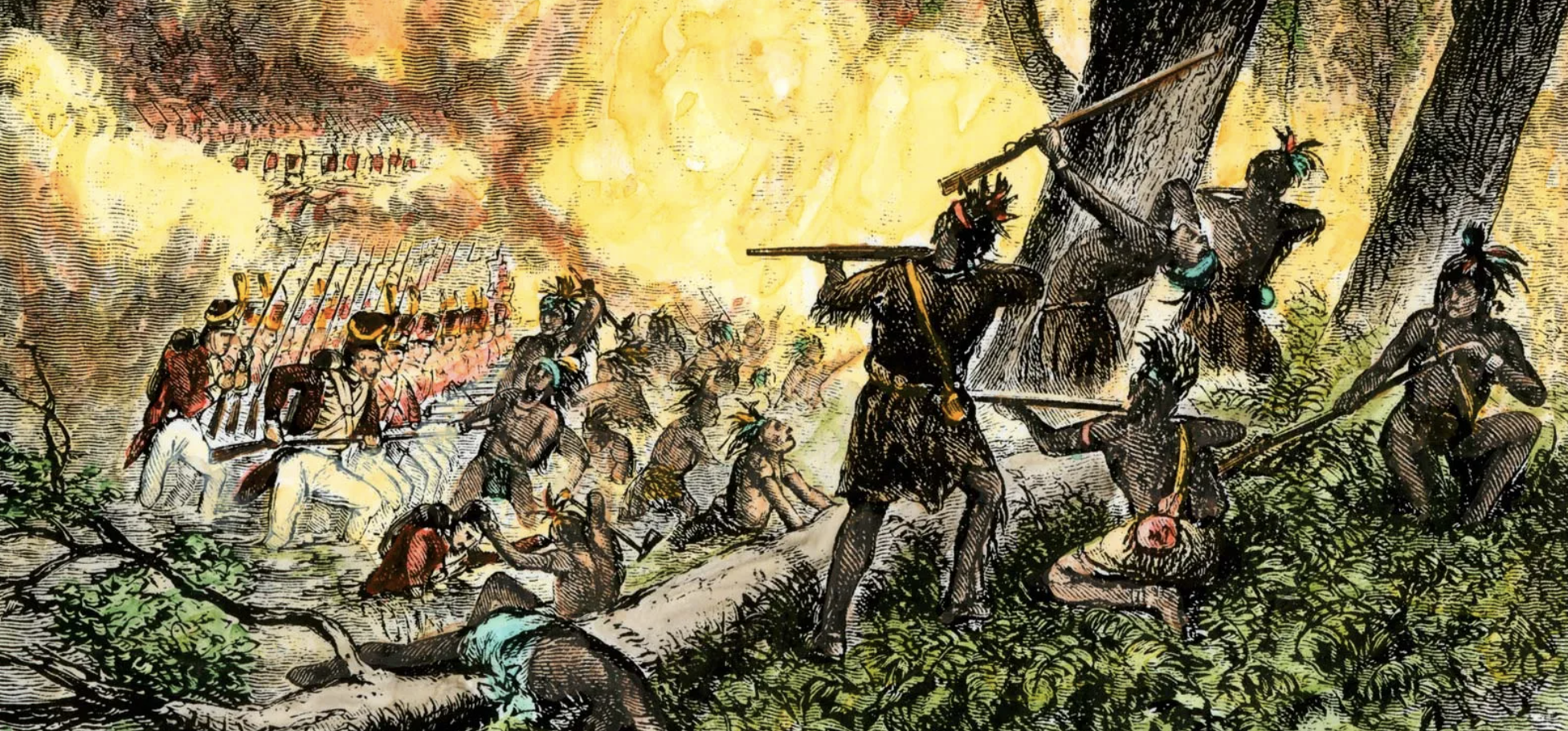
The regulars, however, stayed, grabbed their weapons, and formed battle lines, knowing their organization was all that could save them from certain death. As Miami leader Little Turtle began to focus on the U.S. regulars, the American artillery also attempted to get into the fight, but was quickly taken out by Native sharpshooters.
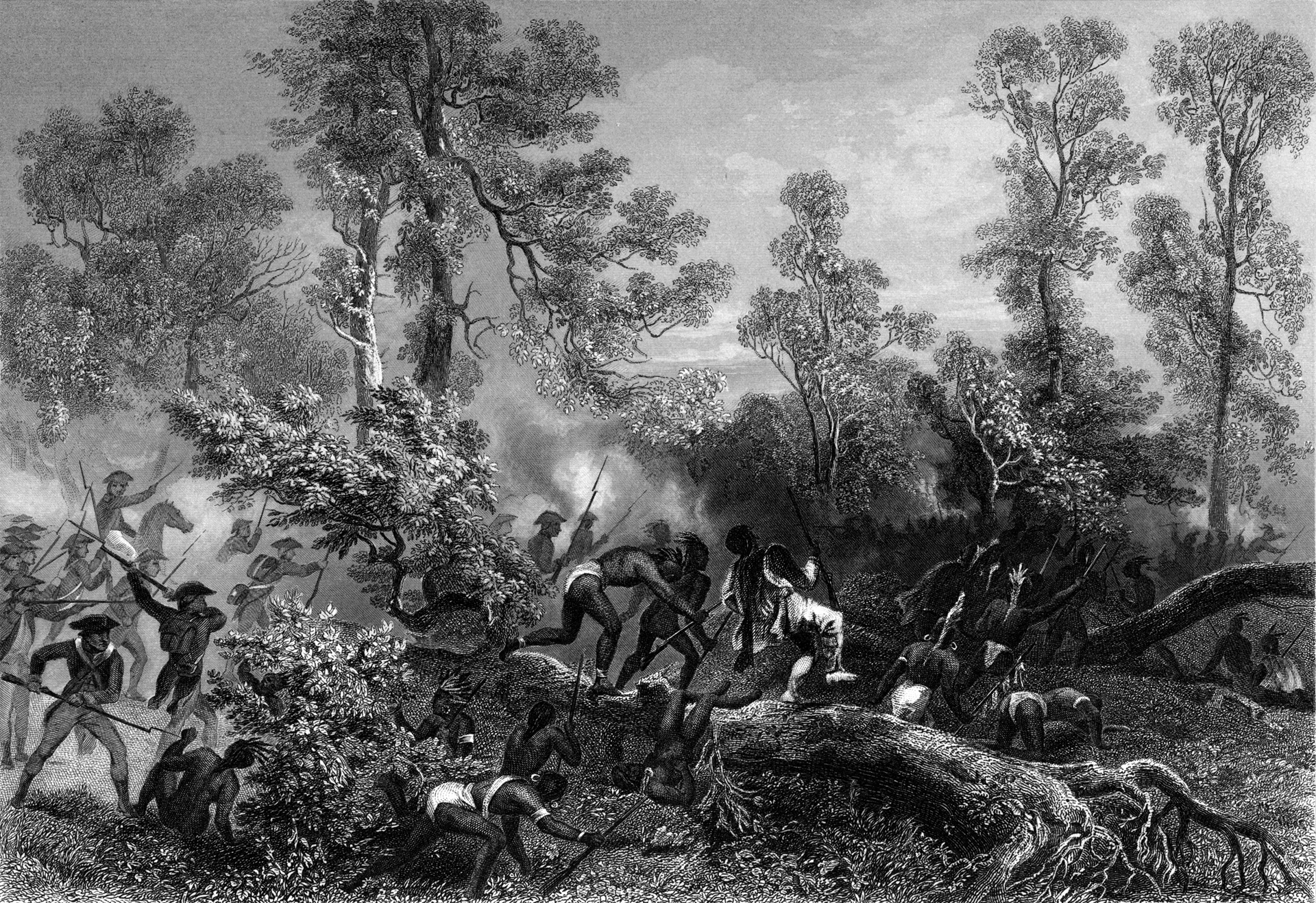
In a desperate attempt to avoid a last-second rout, some of the regular troops launched a sudden bayonet charge, only to be fooled into following the Native warriors into the woods. Once in the woods, the soldiers were trapped and killed by the Indians.
After two hours, it was all over. St. Clair ordered a retreat, and one last bayonet charge was called. This time, the charging Americans never stopped; instead, they charged on, making a break for the nearest American fort. They were pursued for miles before the Native tribesmen turned around and headed back for their camp.
The Americans suffered a staggering 97% casualty rate; a quarter of the entire U.S. Army was wiped out in one engagement. It was the worst military defeat the United States ever suffered.