
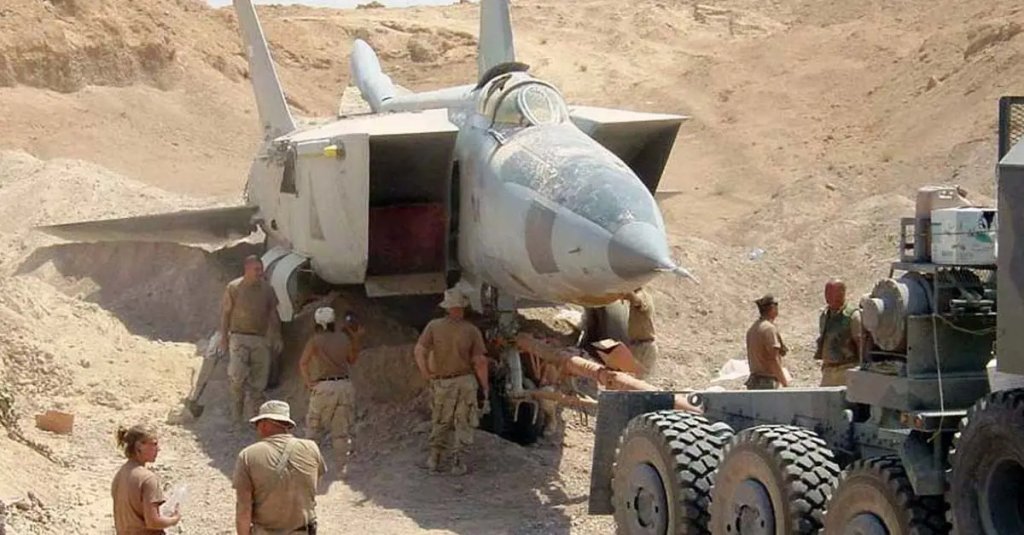
When the United States invaded Iraq in 2003, U.S. troops were looking for nuclear, biological, or chemical weapons. The Americans found a lot of bizarre things – toilets and guns made of gold, a Koran written in blood, and Saddam’s romance novel. While they didn’t find any weapons of mass destruction, they did manage to find some weapons. Specifically, they found aircraft buried in the sand next to a perfectly good airfield.
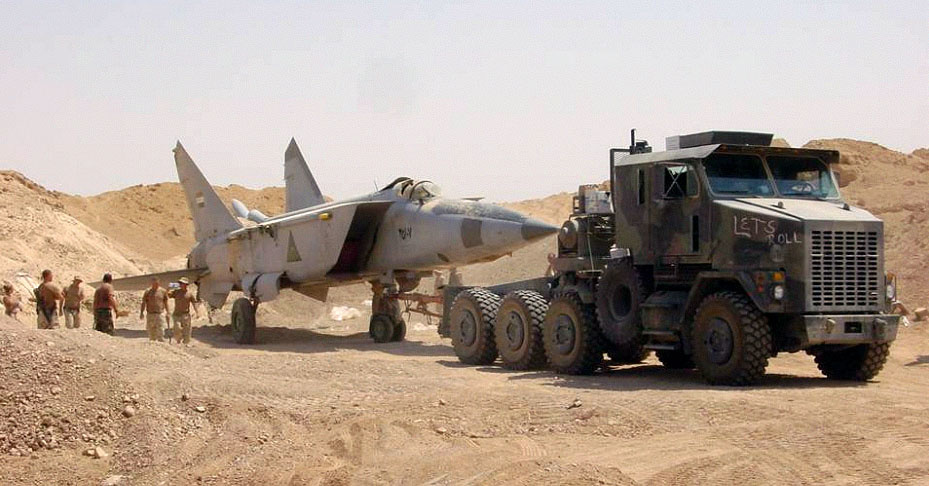
One day in 2003, American forces near al-Taqqadum Air Base in Iraq began pulling scores of MiG-25 Foxbat fighters and Su-25 Frogfoot fighter-bombers out of the sand. The aircraft were missing wings but, for the most part, remained fairly well-kept despite being in the sand for who-knows-how-long. If Saddam wasn’t giving inoperable planes a good burial, one wonders why he would intentionally put his planes in the ground.
The answer starts with the fact that the Iraqi Air Force sucked at defending Iraqi airspace.
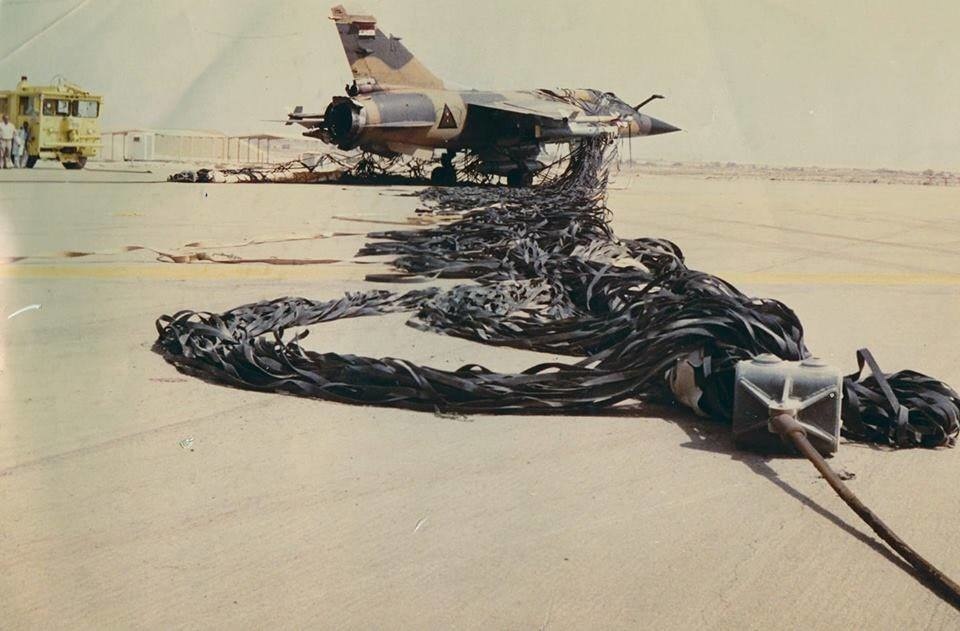
During the nearly decade-long Iran-Iraq War, the Iraqi Air Force could reasonably hold its own against the superior American-made aircraft flown by the Islamic Republic of Iran at the time. But contrary to what one might believe, Iranian fighter pilots were very, very good, and at least one U.S. fighter flown by the Iranians was enough to put the fear of death into the Iraqis: the F-14 Tomcats. In true “Top Gun” style, Iraqi pilots usually had to flee the skies before the onslaught of Iran’s F-14 Tomcats.
The Iran-Iraq War ended in 1988, and in the years to come, Iraq’s air force could more than handle itself against any other Middle Eastern power. If all things were equal, Saddam Hussein’s air power could actually make a difference in any battle or war with another regional power. The United States was another matter.
When Saddam got the U.S. ultimatum to leave Iraq or face military action, Iraqi pilots were ready to defend their homeland from an invasion, but the Iraqi dictator would have none of it. Saddam Hussein knew what American technology could do to his aircraft, as demonstrated by the Tomcat’s superiority over Iran. In 2003, the U.S. was flying the F-22 Raptor for air superiority missions, and Saddam knew his planes would get torn to shreds.
He also remembered what his pilots did during the first Gulf War when they were sent to defend the homeland against American fighters: They flew to the relative safety of Iran rather than face annihilation, and Iran never gave the airplanes back. Saddam wanted his air force. So he decided to keep them all safe. Underground.
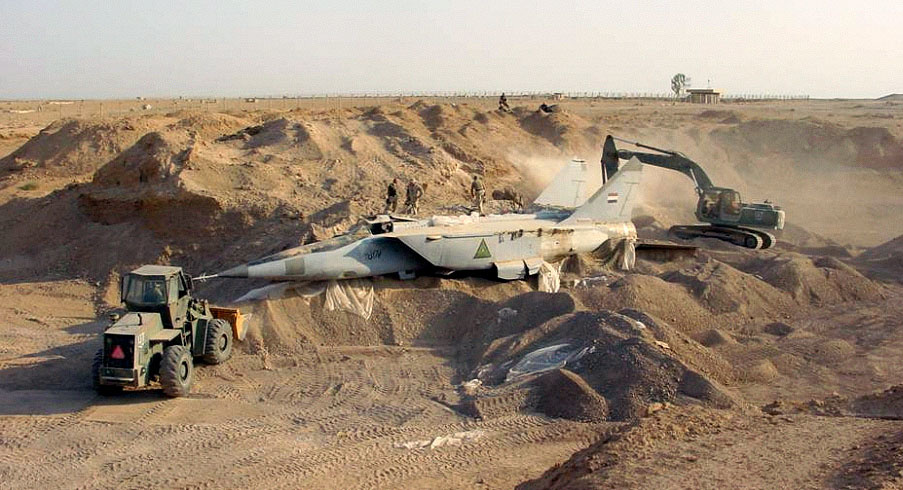
At al-Taqqadum and al-Asad air bases, the dictator ordered that his most advanced fighters be stripped and buried in the sand near the airfields. In retrospect, this was probably a good decision for the aircraft, but bad for Saddam’s regime. Whatever was left unburied was quickly and forcibly dismantled by the U.S. Air Force on the ground during the invasion. In trying to fight off the Coalition of the Willing, Iraq’s air forces all but disappeared and the dictator was forced to go underground himself.
Saddam hoped that by saving the aircraft in the sand, he could prevent their destruction, and when he was ready (because he assumed he would still be in power after all was said and done), he could unbury them and use their advanced status to terrify his enemies and neighbors.
That, of course, didn’t happen.
Don’t Miss the Best of Mighty History
We Are The Mighty is a celebration of military service, with a mission to entertain, inform, and inspire those who serve and those who support them. We are made by and for current service members, veterans, spouses, family members, and civilians who want to be part of this community. Keep up with the best in military culture and entertainment: subscribe to the We Are The Mighty newsletter.