
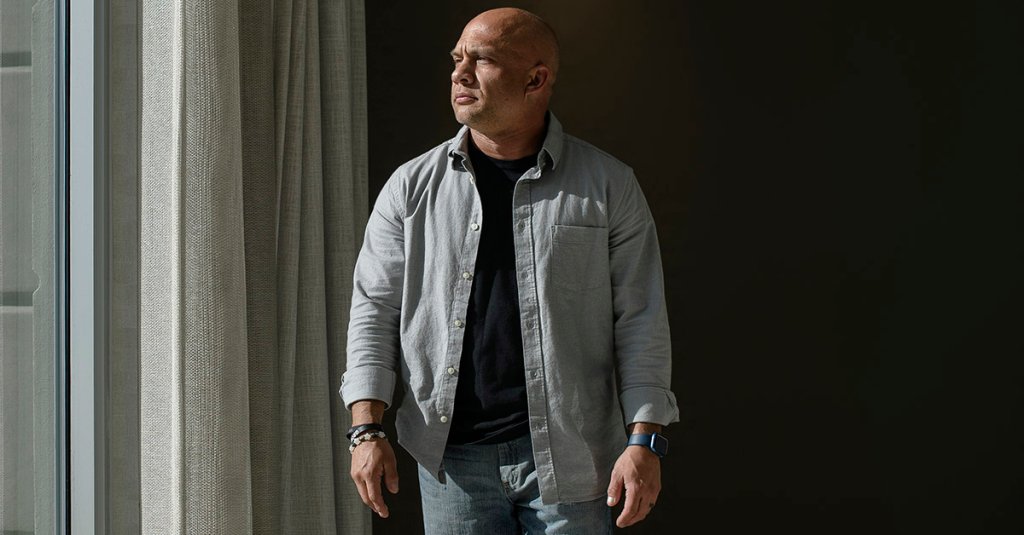
Joe Stabley is hurting.
Anguish and regret color his every word. Stabley battles his demons daily, some of which emanate from his 23 years of service in the Army and National Guard. Others predate his time in uniform or happened after he completed his time on active duty.
What troubles Stabley the most is the death of infantryman Kenneth Jason Currey on November 29, 1999. Stabley met Currey while on his first deployment to the Sinai Peninsula in Egypt. Stabley was not there on the last day of Currey’s life, when the troubled soldier, whose friends called Jason, turned to another service member and asked, “Wouldn’t it be funny if…”
Also Read: What a loved one should know when their veteran is contemplating suicide
Currey didn’t complete his sentence before putting a gun to his forehead and pulling the trigger. Stabley, a medical specialist who eventually became a Special Operations medic, arrived at the scene 30 minutes after the incident and worked on Currey. He died en route to a hospital in Israel, Stabley recalled.
“There’s been no closure,” Stabley told We Are The Mighty. “Every time I go back and revisit it, there’s just questions and uncertainty behind everything that happened. It looks like a suicide…. He was happy except when he probably wore masks, but there’s absolutely no way that that was a negligent discharge or an accidental discharge.”
In Stabley’s view, Currey shot himself away from the brain stem, so he is unsure whether his friend intended to kill himself or his actions were a cry for help. Was this a suicide or not? That unanswered question has followed Stabley everywhere since then.
A Severe Case of Survivor’s Guilt
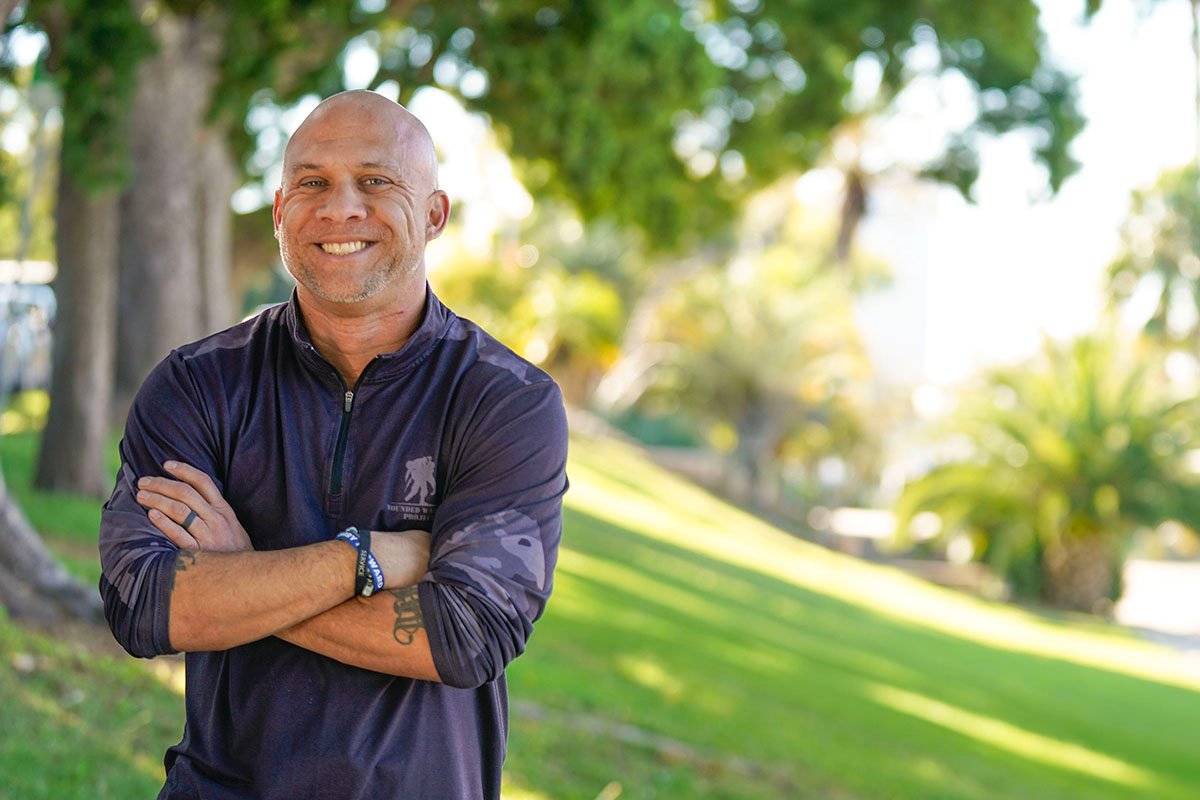
Looking back, Stabley admitted to WATM that there were likely warning signs that Currey was struggling. But Stabley was only 18 years old at the time and, not being a mental-health expert, ill-prepared to recognize any clues about Currey’s mindset.
Maybe Stabley would have gained a sense of resolution if he personally witnessed the moments before Currey’s shooting, but he didn’t. All he has to rely on are those who were there, and Stabley told WATM he believes that only a couple are alive now, and one doesn’t want to talk about it.
In the months following Currey’s death at the age of 24, Stabley didn’t enter counseling. He said his platoon sergeant checked in on him once, but Stabley kept everything inside. Trying to calm his nerves and forget, he turned to smoking and drinking vodka and cheap Egyptian beer. Binge drinking helped, if only for a while.
Over the years, he eventually turned to therapists and psychiatrists. Stabley said they prescribed multiple medications, including Adderall, and diagnosed with bipolar disorder, attention deficit hyperactivity disorder (ADHD), depression, and alcohol use disorder. No diagnosis assuaged his survivor’s guilt.
Stabley, who medically separated from the military in 2021, struggled even though he built a life that included graduating from Physician Assistant (PA) School while he was in the National Guard. He had a wife, two children, and the belief he could not move forward with his life without figuring out what happened to Currey.
It all led to a freeway overpass in his native California in 2015.
“The Rucksack of Shame”
Before Stabley clocked in for his emergency room shift that day, he thought about ending his life. At the time, he alternated between day and night shifts, and his sleep suffered as a result. He was on medication and alcohol and plagued with undiagnosed post-traumatic stress disorder (PTSD), he said. He also was dealing with the effects of past injuries.
Stabley thankfully didn’t jump from that overpass and instead went into the medical facility. Things didn’t get better. He saw a smashed finger in the ER, and that triggered flashbacks to Currey’s death and other traumatic events in Stabley’s past.
“That’s when all the demons come out, and there’s no stopping it,” Stabley said. “Eventually your body freezes, and I was in the middle of a shift. The doctor pulled me aside and took one look at my face. I just said, ‘I can’t be here,’ and he said, ‘You’re done,’ but in a compassionate, almost understanding way.”
Beyond Currey’s death, other events have added to his cumulative trauma. Stabley provided medical aid to another friend in Korea who drowned. He served on multiple deployments during his military career, and as a medic, he responded to combat casualties.
“Each time, I was looking to get better and not wanting to lose another person,” Stabley explained to WATM. “Each time, I would be humbled at some point and learn that we’re not meant to play God…. When you don’t bring everybody home, one person who wasn’t saved is just another weight that’s been added to the rucksack of shame.”
Cumulative Trauma
Stabley’s experience in the military wasn’t the only thing that hounded him emotionally and spiritually.
Stabley, whose father died when he was 5, left active duty and began working in health care. He worked in prisons, where some inmates that he treated overdosed, and on Skid Row, where homeless people sometimes disappeared for no reason.
Stabley has changed civilian jobs frequently because of the weight of his trauma. He said that in the past 13 years, he has had 14 different employers. Tired of the emotional toll, the former Army medic is considering leaving the health-care field completely.
“As rewarding as this work is and as much as I love it and feel called to it, it’s aged me,” said Stabley, 46. “It’s taken a toll. I can’t carry all this weight anymore and take that to every single person that I treat. I’m tired and exhausted.”
Wherever Stabley lands, he understands it might be without the sense of closure that he has long sought. He might never know whether Currey actually intended to kill himself. He said he hopes someone who was there will see this article and remember something, anything.
“I’m hopeful,” Stabley said. “I’ve been disappointed before.”
For service members, veterans, or their families struggling with thoughts of suicide, please call 988 for the Suicide & Crisis Lifeline.
Don’t Miss the Best of We Are The Mighty
• A former soldier with a TBI found his purpose in helping other veterans
• Reports show a military spouse commits suicide every 8 days
• ‘The Deadly Gap’: Veterans wait to get benefits until it’s too late
Loading comments…
Comments couldn’t be loaded. Please refresh the page.