
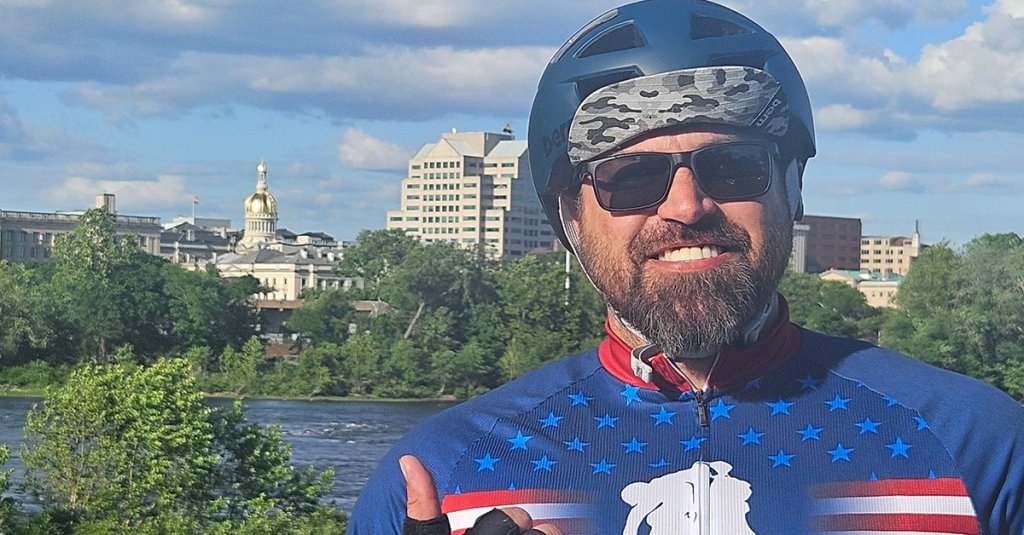
Hiding in plain sight tired the hell out of Ben Heck.
While deployed in Mosul, Iraq, in 2005, Heck sustained a traumatic brain injury as a result of a roadside bomb. The blast damaged the Army soldier physically, including injuries to his neck, left shoulder, and back. Dealing with a TBI was worse, leaving Heck almost unrecognizable, even to himself.
Also Read: ‘The Deadly Gap:’ Veterans wait to get benefits until it’s too late
It affected his vision and cognitive skills. Migraines plagued Heck, who had trouble sleeping and eating. Determined to display a strong front, Heck hid his symptoms as long as he could. He even stayed in the Army for 13 more years after the explosion that threatened to destroy his life, putting on an appearance that everything was fine the whole time.
Finally, afraid he might lose his wife and four children, Heck sought help.
“They were just fed up,” Heck told We Are The Mighty. “I wasn’t there for my wife and my kids enough. They wanted to leave. Just the idea of not having people around me, and it’s my fault. I finally said, ‘I have to get some assistance, or where am I going to be? Where’s my quality of life?’ The Army is eventually going to tell me that I have to go, and then I’m going to be by myself.”
The Power of Adaptive Sports
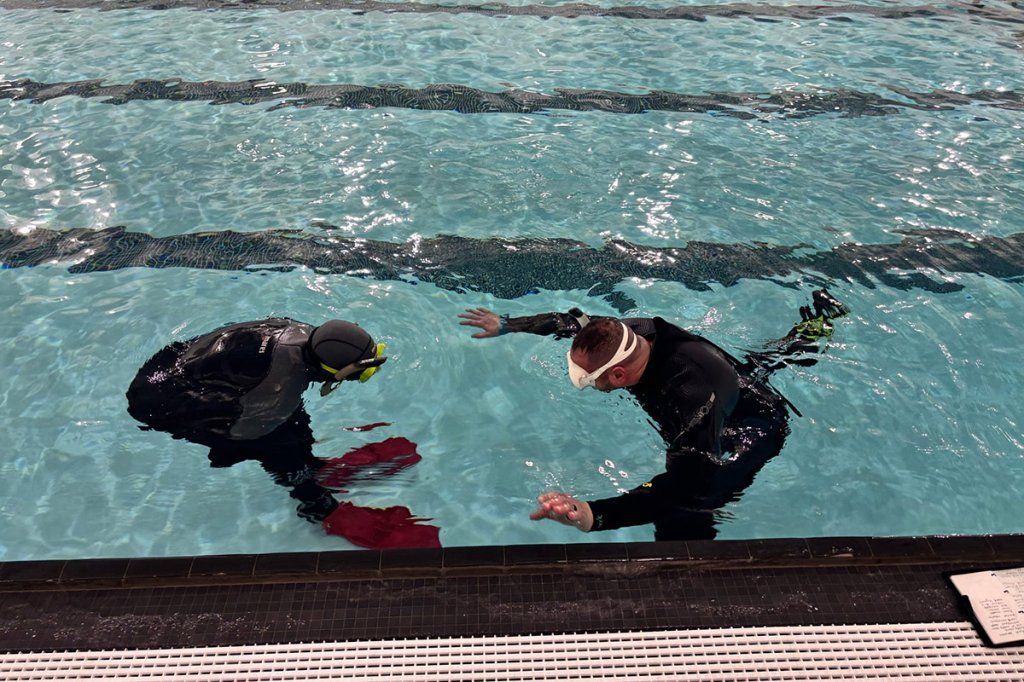
Heck is much better these days, and adaptive sports are a big reason why.
After leaving the military, he struggled to find a path forward. The chronic aches he felt in his body were only part of his problem. Heck, who endured a difficult childhood, considered those with him he served family. Now his family was not around anymore, and that separation weighed on him.
Heck was at a low point, unsure how to dig himself out of it, when he learned of a Wounded Warrior Project program that provides instruction in adaptive sports. Heck went and described the training as “super difficult,” but most importantly, he didn’t quit.
He improved so much that Heck agreed to participate in a Soldier Ride, where wounded warriors ride as much for the camaraderie as the fitness. Heck felt that bond instantly. He rode a recumbent bike during a Soldier Ride in San Diego, and it was life-changing.
Heck was back among his people.
“It felt great to be around everybody instead of being so isolated,” Heck said. “I was only sitting on my butt at home for a year or two [after leaving the Army]. I was like, ‘Yeah, I can do this. I’m not a spring chicken anymore. I’m not going to run any marathons, but I can go out and do some basic stuff and enjoy my life instead of being locked away.’”
Heck progressed to trying other adaptive sports, including scuba diving and skiing. He yearned to make a bigger impact, though.
“I’m All Ears”
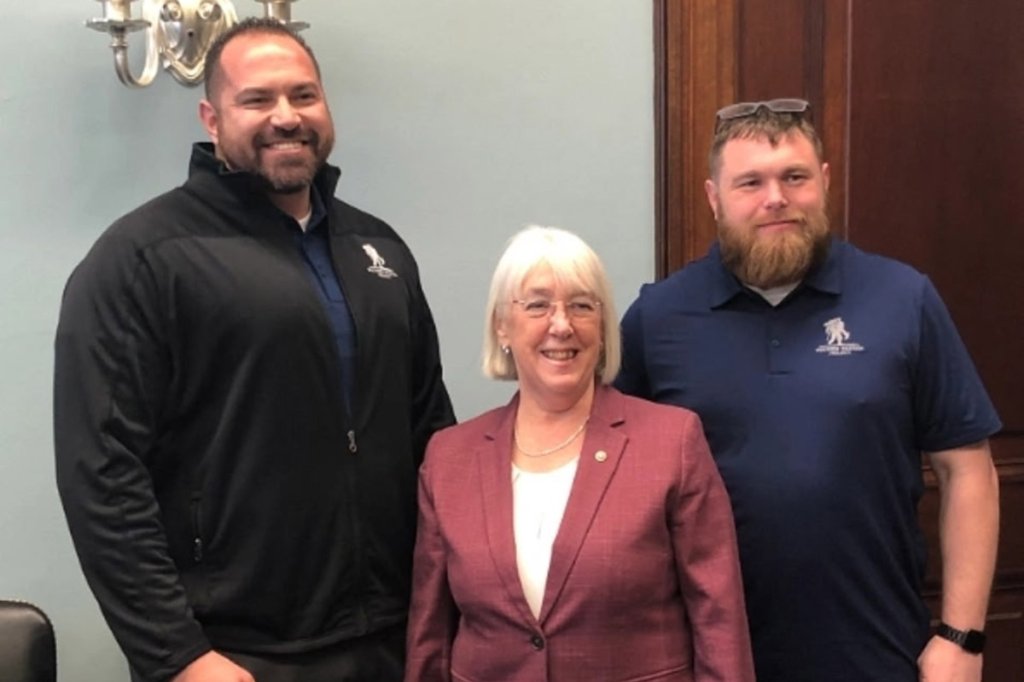
Heck wanted to become more involved with veterans advocacy.
He is now a peer support leader at Wounded Warrior Project and also volunteers with the Birdwell Foundation for PTSD, which tackles the problem of suicide among military veterans and first responders. At WWP, Heck said he leads groups of up to 15 veterans on average. He is flexible to the veterans’ needs, however.
“I do some one-on-ones on the side if they just want to talk to me, trying to figure things out, and talk things through,” he said. “A lot of people just want to let it out. I’m all ears.”
Heck, who lives near Joint Base Lewis-McChord in Washington state, has traveled to Washington, D.C., to advocate for issues critical to veterans. He has met with decision-makers and their liaisons regarding the Major Richard Star Act. The legislation, which has stalled in Congress, would allow vets to receive their disability benefits and full retirement pay concurrently.
He also expressed support for HUD-VASH, a joint initiative involving the departments of Housing and Urban Development and Veterans Affairs to address affordable housing for at-risk and homeless veterans.
Even though that’s plenty, it’s not enough for Heck. He is taking night classes at the University of Washington in Tacoma to become a social worker.
“[I want] to help out people even more who are suffering and can’t really help themselves,” Heck said. “I kind of do that now in my volunteering, but I’m the middle man. I’m the guy who knows somebody who can call somebody. I want to be the main person. I want to be the one stop that somebody goes to for help, and I can help and not send them to somebody else.”
A Ride to Celebrate America’s 250th
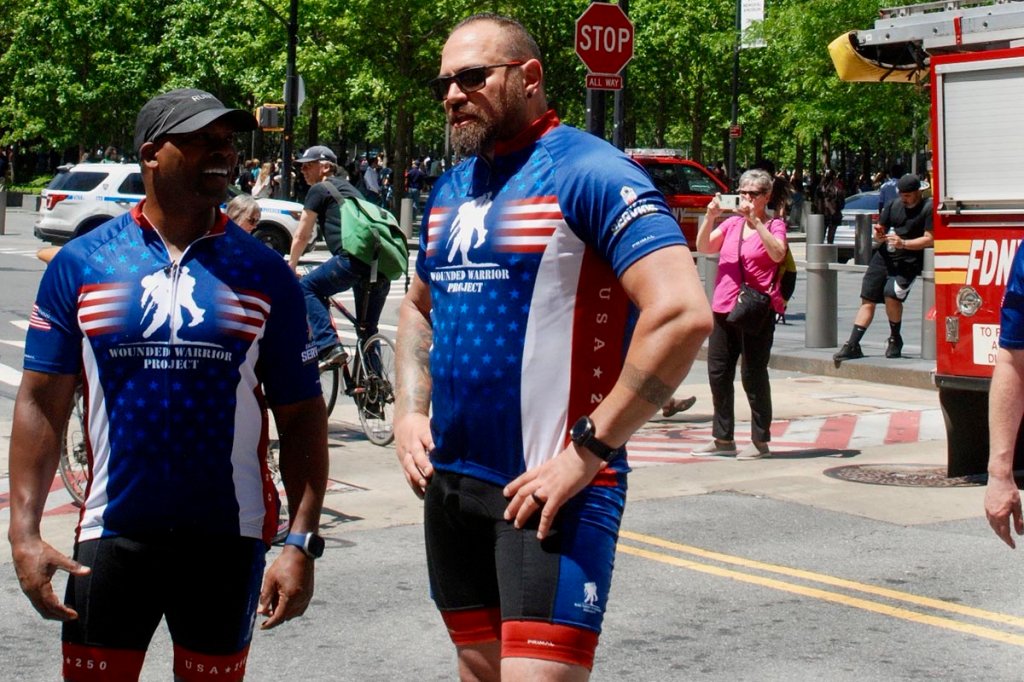
In May, Heck got back on a bike (this time, it wasn’t a recumbent one) for Soldier Ride 250 to honor America’s 250th birthday. The event stretched a thousand miles from the Wounded Warrior Project’s headquarters in Jacksonville, Florida, to Ground Zero in New York City. Eighty military veterans participated in four 20-person teams each. Each squad covered 250 miles overall.
Heck’s team took the final segment from Washington, D.C., to New York. After pedaling 50 miles on the first day, Heck was so sore that he couldn’t find a bathtub fast enough to fill with Epsom salt. He experienced doubts about whether he could complete the ride, but he fought them off.
“I couldn’t go home and tell everybody I didn’t make it,” Heck said. “I couldn’t do it. I just went back to that Army mindset: mission first, no matter what. That was it.”
Heck continued on his journey. The other riders inspired him. One was a blind veteran who rode a tandem bike with a sighted person. Other vets could not use their arms or legs. Heck had none of those issues, so why couldn’t he keep going?
Heck pedaled his bike all the way to Ground Zero. The terrorist attacks on 9/11 were a major reason why Heck joined the military, and this was the first time he saw the site firsthand where the World Trade Center’s Twin Towers collapsed.
Heck referred to the experience as a “once-in-a-lifetime” deal.
A New Identity
Less than a decade ago, Heck didn’t know what type of life awaited him after the military. Despite coping with a brain injury, Heck sees more clearly how far he has come. Where he once felt alone and no longer a part of his military family, he recognizes the truth now.
They never abandoned him. He just had to find them again. That reconnection gives Heck hope for the future. His journey was never easy, but it provides him with a perspective that he believes there are others out there like him.
They lost the identity that being in the military afforded them, and they don’t know what to do with their lives. Heck has been there.
“You can do this,” he said. “I would say to them, ‘Try. Get out and try. You’ve got a 50-50 shot at something new, and if it doesn’t work, then try something else. But don’t stop.’”
Don’t Miss the Best of We Are The Mighty
• Military families need more than awareness to address spouse suicides
• ‘Jimmy’ celebrates World War II hero Jimmy Stewart for America’s 250th with a new trailer
• An Army vet honored a fallen comrade with a historic Appalachian Trail hike
Featured
Loading comments…
Comments couldn’t be loaded. Please refresh the page.