Thirty-eight minutes.
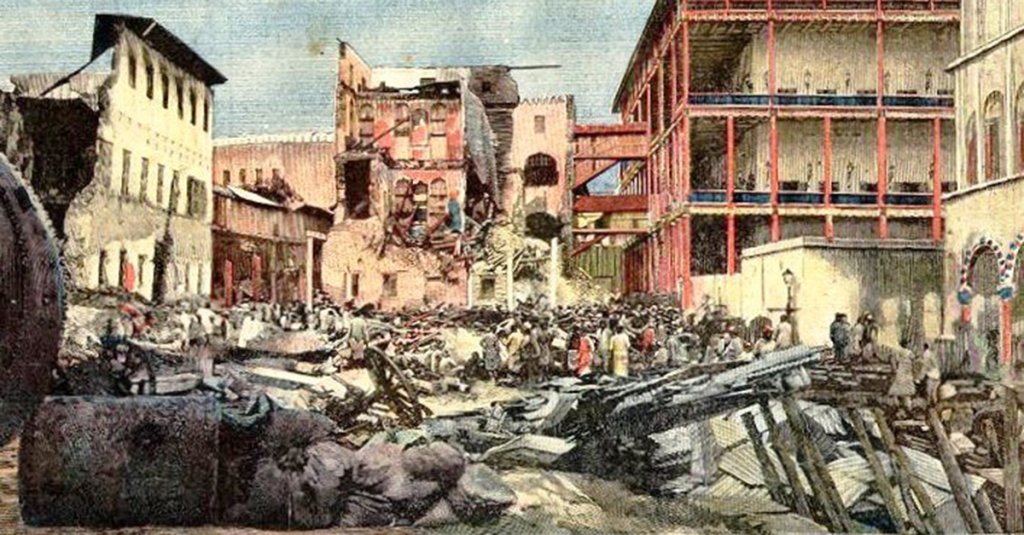
The Anglo-Zanzibar War on August 27, 1896, was fought in less time than it takes to watch the much-discussed combat scene from “Lone Survivor.” It was the shortest war in world history, which spans, you know, a bunch of years, so that is saying something.
Related: Why Patton’s predecessor in North Africa proved so useless against the Nazis
British warships fired upon the royal palace shortly after 9 a.m. As far as mismatches go, this was a colossal rout, which begs one question:
What were the Zanzibaris thinking?
Zanzibar Was a British Protectorate
Long before Zanzibar merged with Tanganyika to become present-day Tanzania in 1964, it served as a protectorate of the British Empire.
That relationship began in 1890 after the Heligoland-Zanzibar Treaty specified areas of German and British influence in East Africa. As part of that deal, Britain received formal recognition of its control of Zanzibar.
Britain was willing to preserve Zanzibar as a sultanate while simultaneously trying to render its sultan compliant to its wishes. What the British primarily wanted was for slavery to be abolished on the archipelago in the Indian Ocean.
Although some protested more than others, sultans generally acquiesced to British pressure. During the 1880s and 1890s, Zanzibar endured a series of changes in leadership as four sultans died.
A Death Under Mysterious Circumstances

Anglo-Zanzibar War: The Shortest War In History | Britain vs Zanzibar | Mythical History
The last in that line, Hamad bin Thuwaini, died suddenly on August 25, 1896. Some believed his cousin, Khālid bin Barghash, poisoned him. If he did, Khālid wasn’t wracked with guilt.
Far from it, in fact. The power-hungry Khālid moved into the palace and assumed authority. The son of longtime sultan Barghash bin Said, who reigned from 1870 to 1888, Khālid already tried to assume power twice before without the British’s required approval and was rebuffed.
At 3 p.m. on August 25, mere hours after Sayyid Hamad’s death, Khālid issued a formal declaration appointing himself sultan. A 21-gun salute accompanied the proclamation.
Khālid’s bold move did little to deter the British. They still wanted him out and were willing to do anything to achieve that.
Would-Be Sultan Refuses to Leave Palace
500 Died in Short War
The British weren’t posturing.
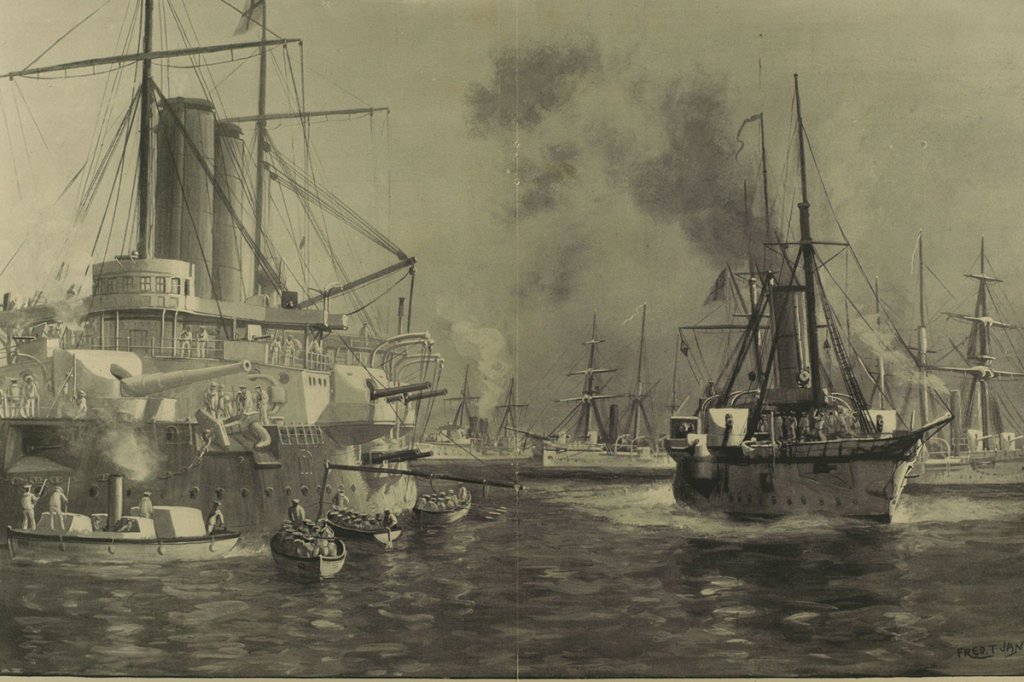
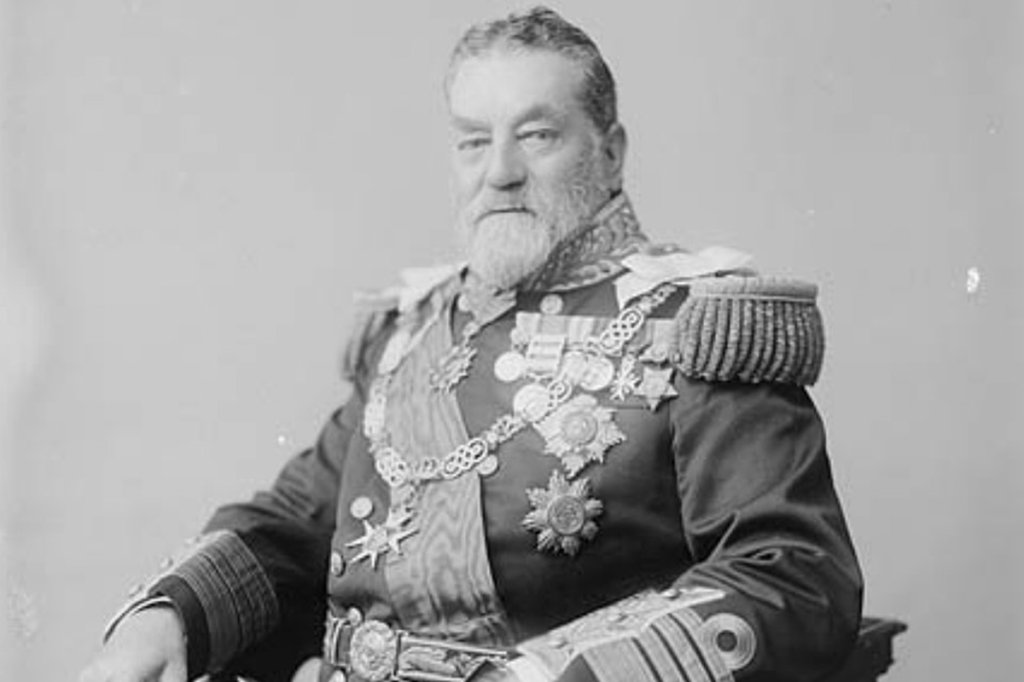
Equipped with two cruisers and three gunboats, the British had much more firepower than their opponent despite having a smaller fighting force. At 9:02 a.m., Rowson ordered three of his vessels to open fire on the palace, and it soon became engulfed in flames. Khālid’s forces stood no chance.
By the time the British stopped firing, 500 Khalid loyalists were dead. On the British side, only one soldier sustained severe injuries.
It didn’t take long for the British to appoint Sayyid Hamad’s successor.
With the palace likely still smoldering, they installed Hamoud bin Mohammed as the new sultan of Zanzibar. Khālid managed to escape to German East Africa, but the British didn’t forget about him. They finally caught the fugitive and arrested him during World War I.
Zanzibar remained a British protectorate until 1963, a few generations after a little-known war that was over in less time than a three-mile ruck.