
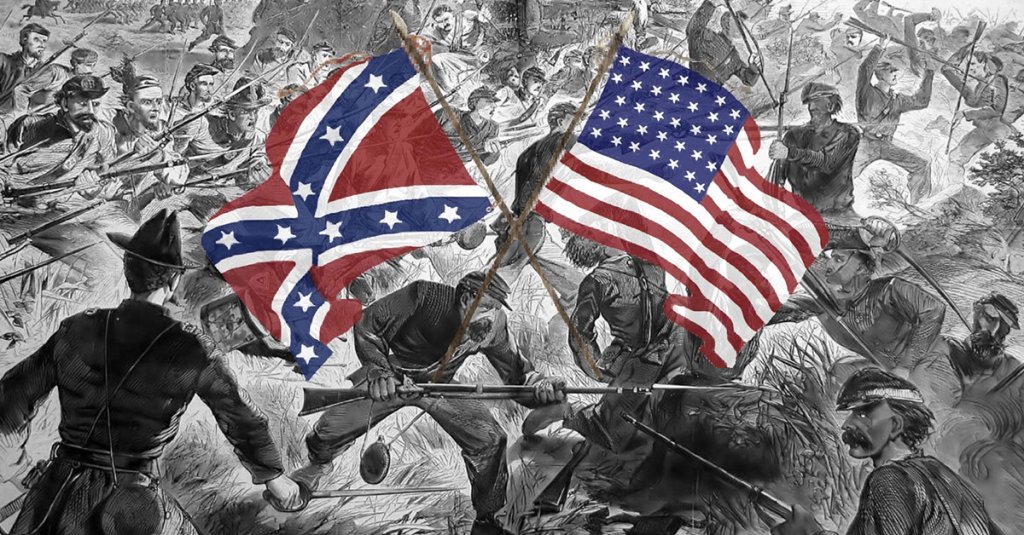
In 2020, the military community lost the last surviving Civil War-era milspouse, Helen Viola Jackson. She was 101 years old and had been married to a soldier since the age of 17—in 1936. Jackson died 155 years after the Civil War ended… and for those doing the math: no, it doesn’t quite add up. She was the young widow of a Civil War veteran born in the 1840s.
Jackson’s husband, James Bolin, was 93 at the time of their union. Because they were married during the Great Depression, it was a way for Jackson to bring in extra income. Bolin had no money, but he did have his Civil War pension, so he offered to marry her in order to pass on his military benefits—now how’s that for an arranged marriage?
Also Read: The Civil War started and ended at the same guy’s house
They weren’t the only ones to create this kind of arrangement. Three other young women were married to elderly men in order to receive their wartime benefits. Gertrude Janeway was 18 when she wed 81-year-old John Janeway and she lived until 2003. Alberta Martin was 21 when marrying 81-year-old William Jasper Martin, a Confederate war veteran. She died in 2004. Maudie Hopkins was 19 when marrying 86-year-old William M. Cantrell, also a Confederate soldier.
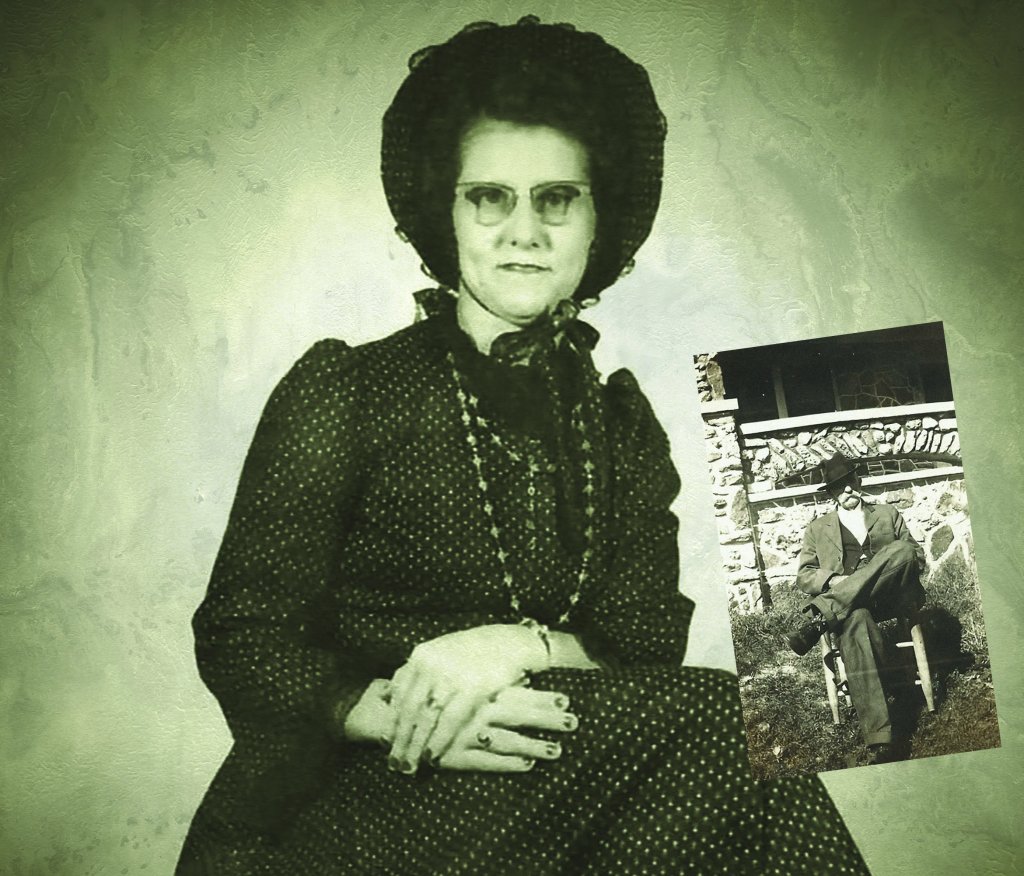
There was no law about legitimizing a marriage, and the women began receiving monthly pension payments upon the deaths of their husbands. In Jackson’s case, the marriage was kept quiet and she continued to live with her parents. But Jackson never filed for the pension funds due to threats from Bolin’s daughters.
At the time, the payout was $73.13 per month, $1,775.15 in today’s dollars—and no paltry sum for the Depression Era.
What’s more is that until Jackson began planning her own funeral, it was thought that Hopkins was the oldest surviving Civil War milspouse until Jackson’s story came out. Jackson finally revealed her marriage in 2017, which was verified by Daughters of Union Veterans of the Civil War.
What We Can Learn
There were a few reasons why Jackson and Bolin wed, and a few reasons why Jackson never actually tried to received Bolin’s pension.
In marrying the old soldier, Jackson was actually obeying instructions from her father, for it was he who set her up with Bolin and asked her to care for him. She was also doing what she felt was needed for all to survive the Great Depression. Before anyone is quick to judge, it’s important to remember that, for fear for her own reputation, Jackson never actually cashed in on the deal.
It’s also unlikely that Bolin’s daughters received the funds, either, as they were no longer underage. It was out of spite that they worked to keep their father’s kindness from coming to fruition.
So why did she do it in the first place? Out of loyalty to her family, and the kindness to help another. Bolin intended to help his young bride, but likely didn’t understand the implications of what the marriage would mean for her. He also failed to discuss the plan with his own daughters. They had nothing to gain or lose, but still threatened to keep the money out of Jackson’s hands.
“All a woman had in 1936 was her reputation,” she told Smithsonian Magazine before her death. “I didn’t want them all to think that I was a young woman who had married an old man to take advantage of him.”
Had Jackson opted to file for the benefit, she would have received more than $71,000 over the decades. But to her, it wasn’t about the money, it was about her reputation. In fact, before the pair married, Jackson insisted on keeping her maiden name to further protect her reputation. Her duties were purely household-oriented, daily tasks like cooking and cleaning. There was no mention of Jackson in Bolin’s obituary, just a list of his seven children, 17 grandchildren, 36 greats, and nine great-greats.
After the death of her “husband,” Jackson never remarried. She remained in her native Missouri and helped found the Cherry Blossom Festival. She was heavily involved in the local historical society and gardening club.
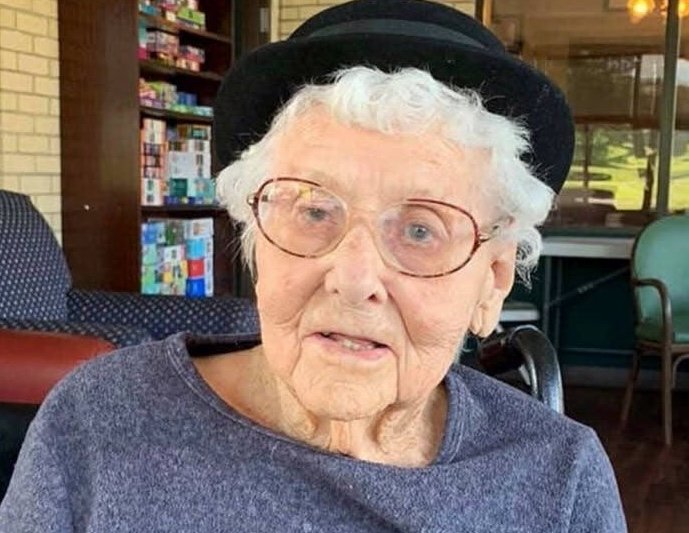
She later noted that Bolin truly cared for her and her future and knew his pension may be her only way to leave the farm. Times were especially difficult, and Jackson was one of 10 children. In her mind, she returned that respect for herself by avoiding the very thing that had been gifted to her.
It’s an example of just how far off assumptions could go in the 1930s (and today), even with the best of intentions.
One historical footnote: The final descendant to receive a Civil War pension was Irene Triplett, daughter of veteran Mose Triplett. She received funds due to a cognitive impairment and received monthly payments from the VA until she died in May of 2020. Her father was 83 at the time of her birth, while her mother was just 34. In total, she’s believed to have received about $73,000.
Don’t Miss the Best of We Are The Mighty
• Why grave robbing Confederate Civil War dead is big business
• The Civil War created the modern American funeral industry
• How the Marine Corps fought the Civil War

Loading comments…
Comments couldn’t be loaded. Please refresh the page.