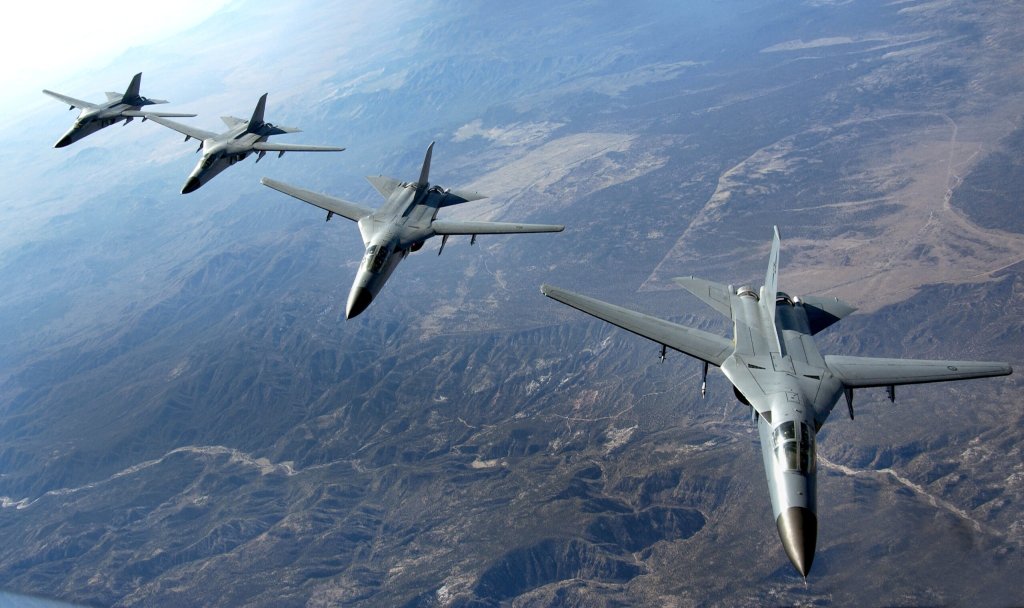
Burying aircraft is not a new practice. The only standout question is why a country buries an entire fleet of planes. Saddam Hussein buried all of Iraq’s advanced fighters before the 2003 American-led invasion so they wouldn’t get destroyed, for example. But Australia wasn’t worried about an invasion in 2010.
It also didn’t bury all of its planes. It only buried just one of its retired airframes, and the reason was worker safety.
Read: Why Saddam Hussein buried Iraq’s air force in the desert
When it was introduced in 1967, the F-111 Aardvark was one of the most advanced aircraft of its time, although it was not without its problems. It was intended to be an all-purpose aircraft that would provide the U.S. Navy with carrier-based fighters and the U.S. Air Force with supersonic strike capability—all in one aircraft.
This all-purpose idea, of course, was not a great one, but the F-111 wasn’t a bad aircraft on the whole. It was nuclear-capable, supersonic, and had the ability to act in almost any role, from interdictor to fighter-bomber.
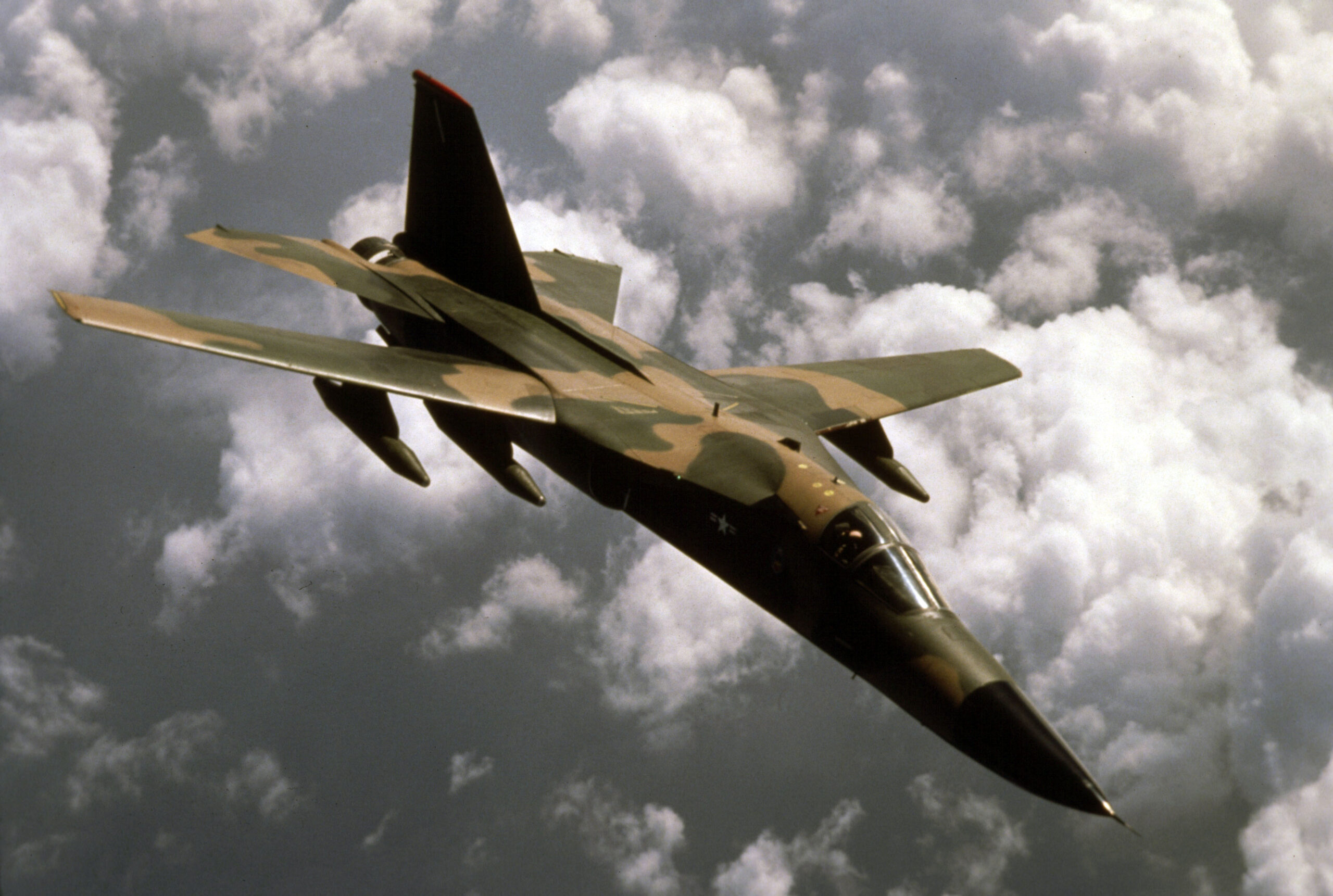
After its big, initial engine problem was fixed, the Aardvark went on to have a long career. It wasn’t retired by the U.S. military until 1998, and the Royal Australian Air Force flew the F-111 until December 2010.
When the Australians went to dismantle their fleet of Aardvarks, they encountered a hazardous and potentially deadly material used in the airframe’s construction. The fuselage of the Aardvark was constructed from bonded panels, and the adhesive used to bond those panels contained asbestos.
Asbestos must have seemed like a miracle substance when it was first created. It’s flexible, heat-resistant, and can be used in almost anything—it can even be woven into a fabric. For the aviation industry, it’s especially useful, not only because of its heat resistance, but also because it resists electricity and corrosion. At first glance, it appears to be the perfect aircraft material.
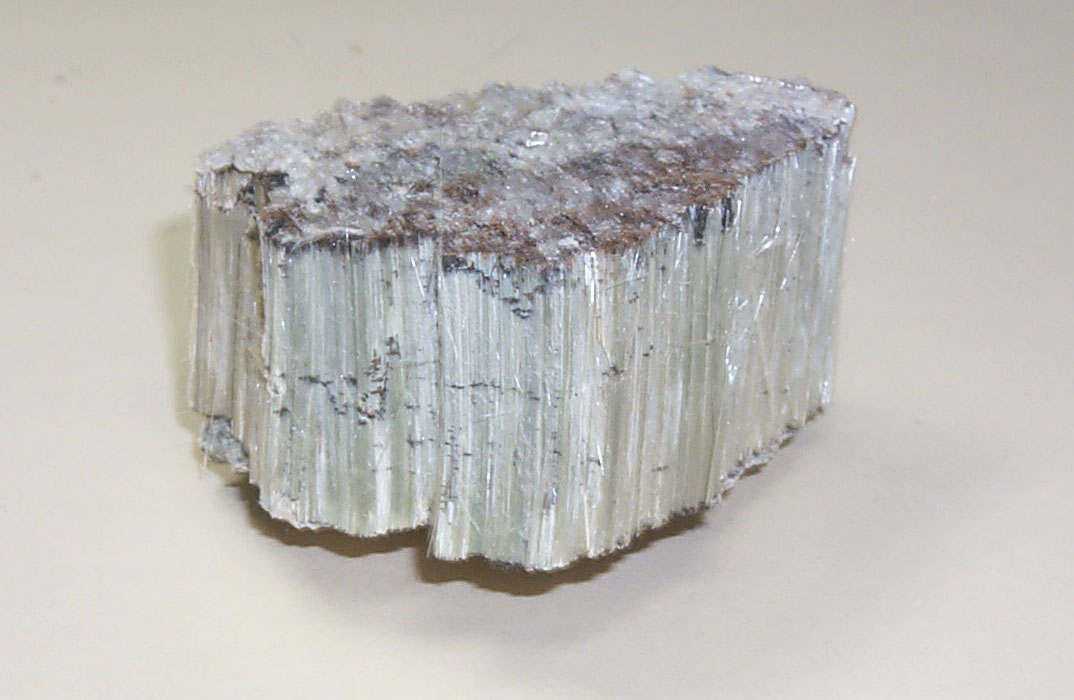
By now, most of us are familiar with the danger asbestos can cause. Once it’s inside the human body, there’s no getting it out. Over time, asbestos inside tissue can cause scarring, inflammation, and, eventually, cancer. The most well-known of these cancers is mesothelioma, which is caused almost exclusively by asbestos.
When Australia decided to retire its fleet of F-111s, planners examined its specifications and determined that everything was either salvageable or worth scrapping, except for the fuselage. Wings, engines, and any other components not attached to the airframe with bonded panels were removed.
The Australian military decided that the precautions necessary to protect workers from asbestos exposure during the disposal of what was left of the aircraft weren’t worth the cost. New facilities would need to be built for this purpose, and potentially hundreds of workers would require personal protective equipment (PPE). Even then, failing to use the PPE properly could result in years of litigation and/or substantial medical expenses for the government. They decided to bury the aircraft instead.
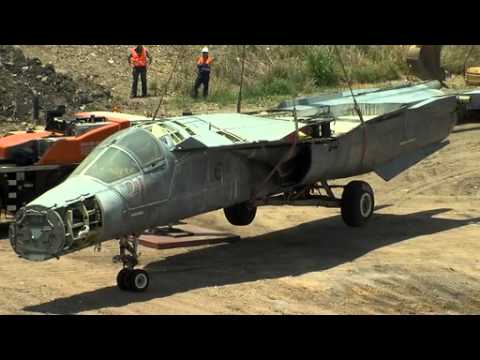
F111 Disposal Video
The F-111 was, overall, not a very successful weapons platform, to put it mildly. According to F-111 pilot Richard Crandall, the Aardvark comprised nine percent of Tactical Air Command’s fleet, but consumed a whopping 25 percent of the maintenance budget.
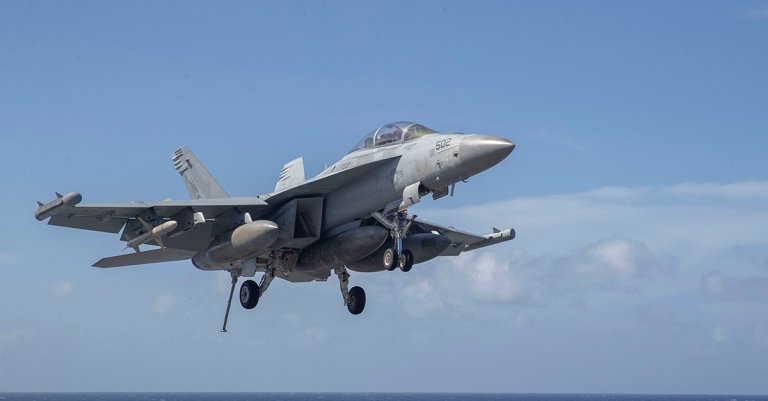
Australia replaced the F-111 with a buy of 24 F/A-18F Super Hornets while it waited for the F-35 Joint Strike Fighter program to work out all the bugs. It had to wait until 2018 to receive its first F-35.