
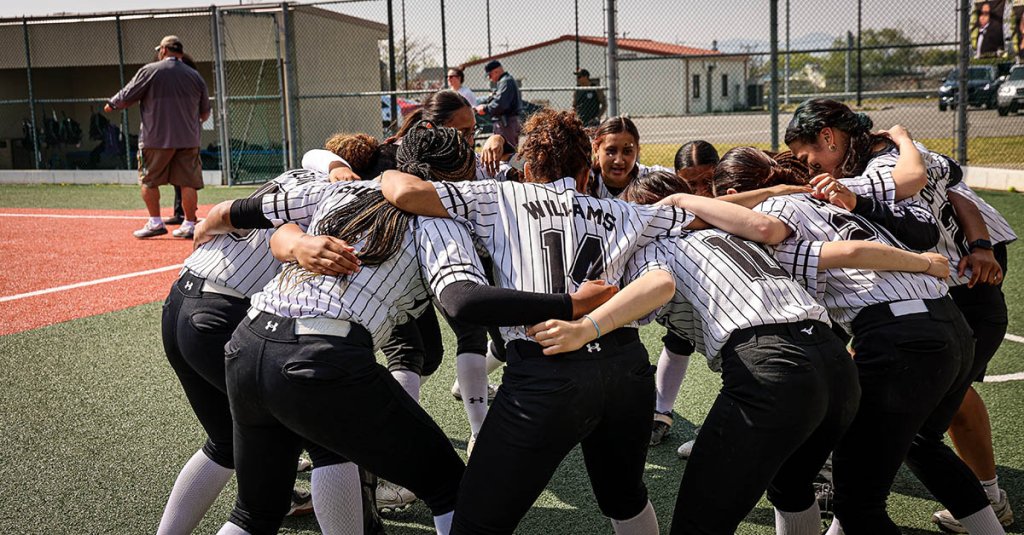
Many young athletes have dreams of being the next A’ja Wilson or Jalen Brunson. That’s a nice fantasy—until you’re a military kid playing overseas.
While stateside athletes are grinding in packed gyms, traveling Amateur Athletic Union (AAU) circuits, and getting eyes from recruiters every weekend, military kids overseas are often putting in just as much work… with half the exposure and fewer opportunities.
Related: 10 sanity-saving tips for military families with kids in multiple sports
Military kids stationed overseas are competing at a disadvantage when it comes to sports recruiting, exposure, and access, but they’re also developing a level of grit most athletes never have to. I spoke to high school athletes stationed in South Korea who highlighted the real disparities they face and shared why overseas players often have to work twice as hard just to get seen.
The Exposure Gap
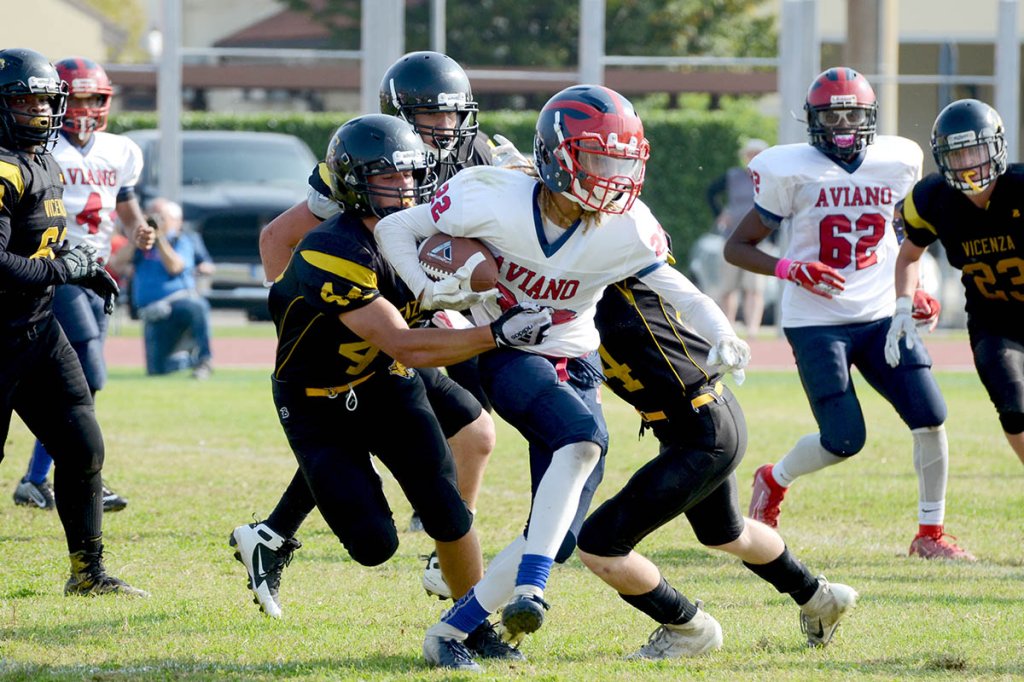
One varsity athlete shared: “We don’t really have the opportunity that people do in the States.… We just don’t get as many looks.”
That’s the bottom line. No Friday night crowds full of scouts. No easy access to elite camps. A limited local network of trainers, recruiters, and media pushing your name out.
Some athletes don’t desire to play sports beyond high school. However, for those who do and want to be seen, they have to fight geography rather than simply compete.
When “Varsity” Doesn’t Feel Like Varsity
Another student-athlete was honest enough not to sugarcoat the lack of competitiveness. “The varsity level here is JV max,” they said. That statement alone tells you everything you need to know. It’s not just about effort; it’s about the environment.
Overseas military schools are smaller. The competition pool is limited. You might only play a handful of teams, and not all of them are operating at a high level. That means fewer chances to sharpen your skills against elite talent—the kind college programs expect.
And when it’s time to transition back stateside or compete for college spots? That gap shows up fast.
Less Structure, More Self-Discipline
Here’s where things really shift.
Stateside athletes often have:
- Strength and conditioning programs
- Morning workouts
- Specialized position coaches
- Dedicated funding
Athletes have to commit to work a lot on their own time overseas. Coaches are teachers first. Department of War Education Activity (DoWEA) policy stipulates that the head coach must be a faculty member. Training facilities may exist, but not at the same level. As an overseas athlete, you are lucky if your coach actually has prior coaching or playing experience.
Parents of student-athletes shared what a nightmare it was to have a coach who knew nothing about the sport, but they refused help from those more experienced. Talk about a scary season.
Students say that “if you want to get better, it’s on you.” No one’s chasing you down to lift. No one’s scheduling extra reps. No one’s making sure you’re ready. You either take ownership, or you fall behind.
Fewer Connections, Fewer Chances
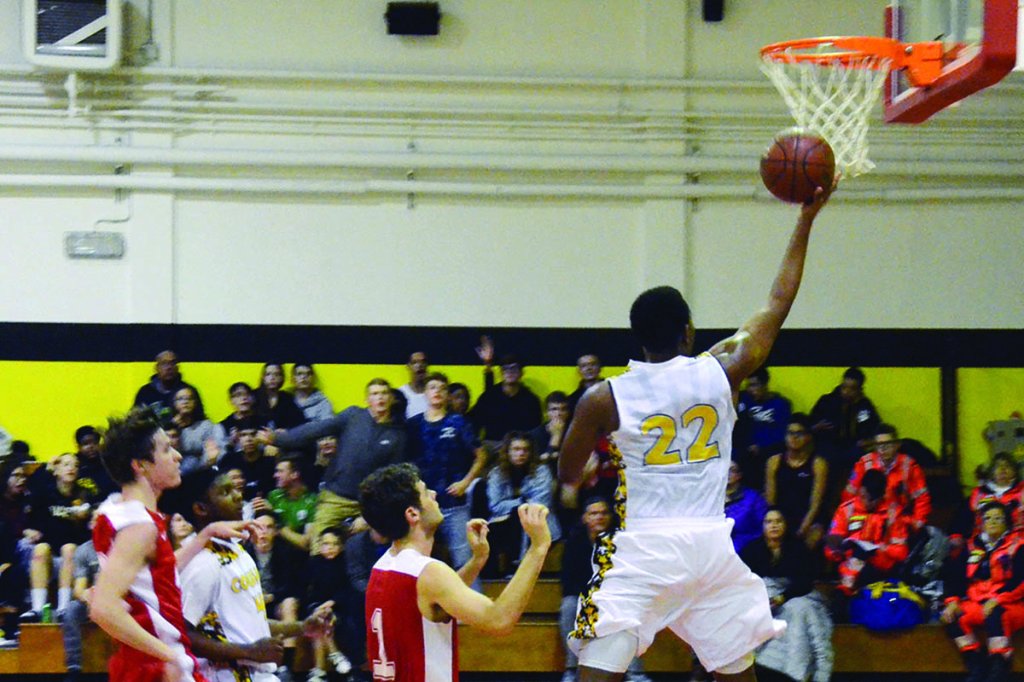
Let’s talk about recruiting—the part nobody warns you about.
Stateside athletes benefit from:
- Showcase tournaments and events
- Travel teams
- Recruiting pipelines
- Social media exposure tied to programs
- Stat portals
Overseas athletes are often trying to figure it out on their own.
“You don’t have the resources that can help push your name out,” one athlete said.
And that’s the difference between being good and being seen. Talent alone doesn’t open doors anymore; visibility does. In the age of social media, recruiters and coaches often find star players from viral videos.
Simply not having access to the high school stat portal MaxPreps also puts these students at a significant disadvantage. It seems as if DOWEA simply doesn’t care enough to budge on policy and funding to keep overseas student-athletes at least partially inline with stateside athletes.
Let’s not get into the fact that they lose out on two years of school sports exposure. There is no funding for middle-school sports in DOWEA schools overseas so even the best junior athletes are stuck playing amateur-level sports with Child & Youth Services (CYS) unless they can connect with a local, host country team that will allow them to join.
But Here’s the Part Nobody Talks About: the Edge
Now here’s where it flips. While the system may not favor them, overseas athletes are building something different. Something harder to measure but impossible to ignore.
“It’s an experience that not a lot of people are gonna have.… Not a lot of kids are gonna be able to play overseas.”
They’re competing internationally. Adjusting constantly. Adapting to new teams, new systems, and new environments that builds something most athletes never have to develop this early:
Grit without recognition. Discipline without structure. Confidence without validation.
Military student-athletes overseas are just built differently, because their path is steeper. They don’t always get the same exposure, competition, or resources. But they work hard, train, and figure out how to fill the gap, and some make it onto a college team. When they do, they don’t just show up with talent. They show up with something earned the hard way.
Don’t Miss the Best of We Are The Mighty
• Everything they don’t tell you about the financial realities of moving overseas
• 7 hard truths military spouses wish they knew in the beginning
• Hungry in Uniform: the untold struggle of military food insecurity
Featured
Loading comments…
Comments couldn’t be loaded. Please refresh the page.