The United States Coast Guard has been around since President George Washington signed the Tariff Act in 1790. In the nearly 2½ centuries since, the Coast Guard has pingponged between three federal cabinet departments for oversight.
Does it surprise you that none of those departments is the Defense Department?
Related: The complete guide to Coast Guard ranks
A good follow-up question is, “Why not?” It’s a valid point, considering the Coast Guard is the only military service branch outside the Pentagon’s umbrella.
How did we get here? Let’s find out.
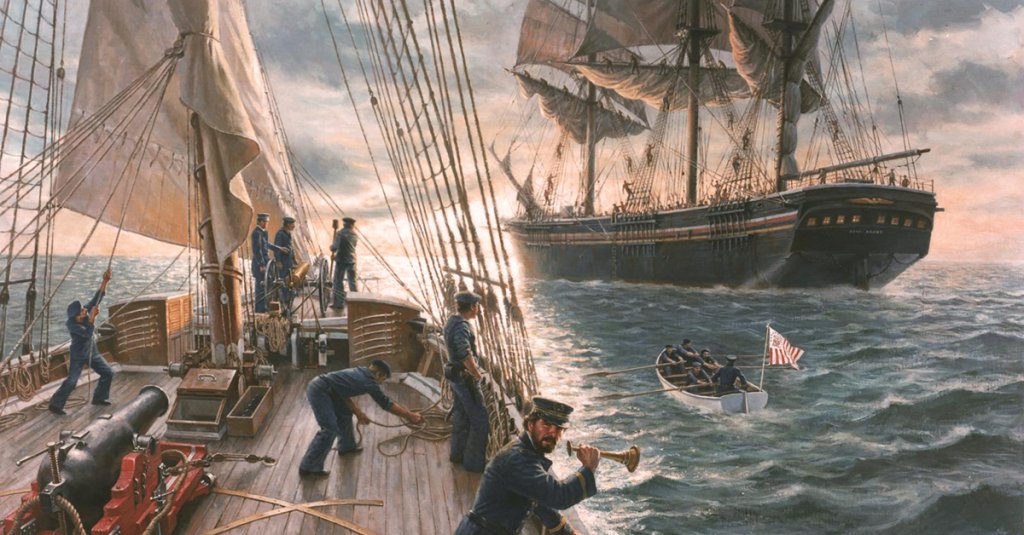
It Started as the Revenue Cutter Service
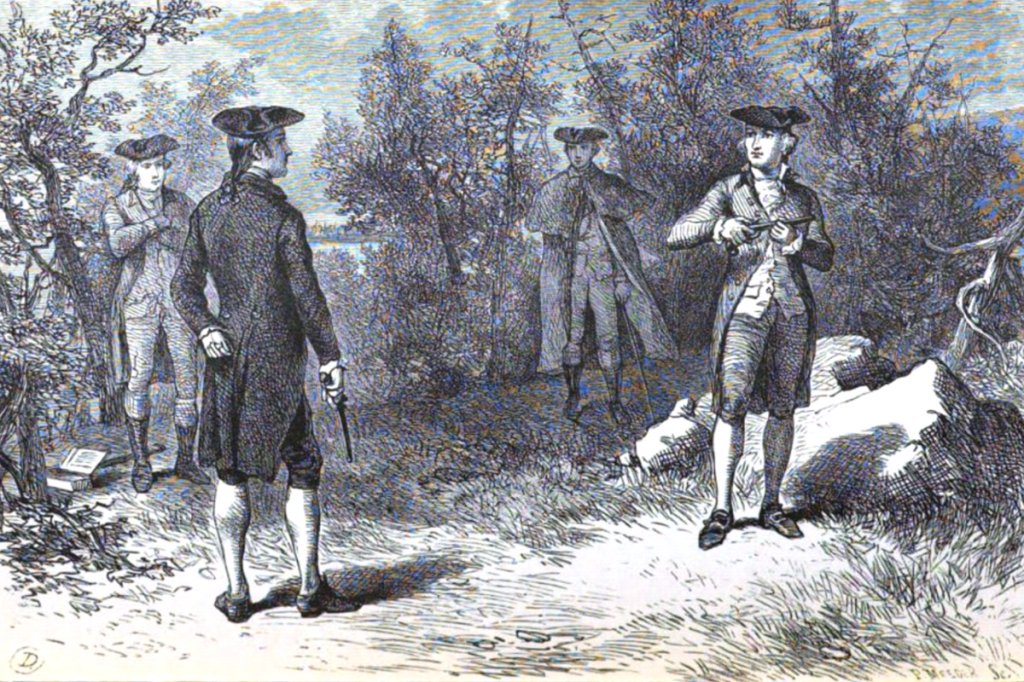
Long before his name became synonymous with Lin-Manuel Miranda and a Broadway phenomenon, Alexander Hamilton was charged with raising funds for our new nation.
In his role as the Treasury Department’s secretary, he saw his opportunity to create an entity to enforce tariff payments and confront smugglers. What he had in mind became the Revenue Cutter Service, all thanks to Washington’s signature in 1790.
The Tariff Act approved the building of 10 vessels for enforcement. At almost 125 years, the Revenue Cutter Service had a good, long run until it merged with the U.S. Life-Saving Service after President Woodrow Wilson signed the Act to Create the Coast Guard on January 28, 1915.
Despite the new name, the Coast Guard remained under the Treasury Department’s purview until 1967, when it switched over to the Transportation Department. For 3½ decades, the Coast Guard was part of the Department of Transportation, which oversees all major federal transportation projects, including maritime.
Then 9/11 happened and everything changed.
The Worst Day in American History
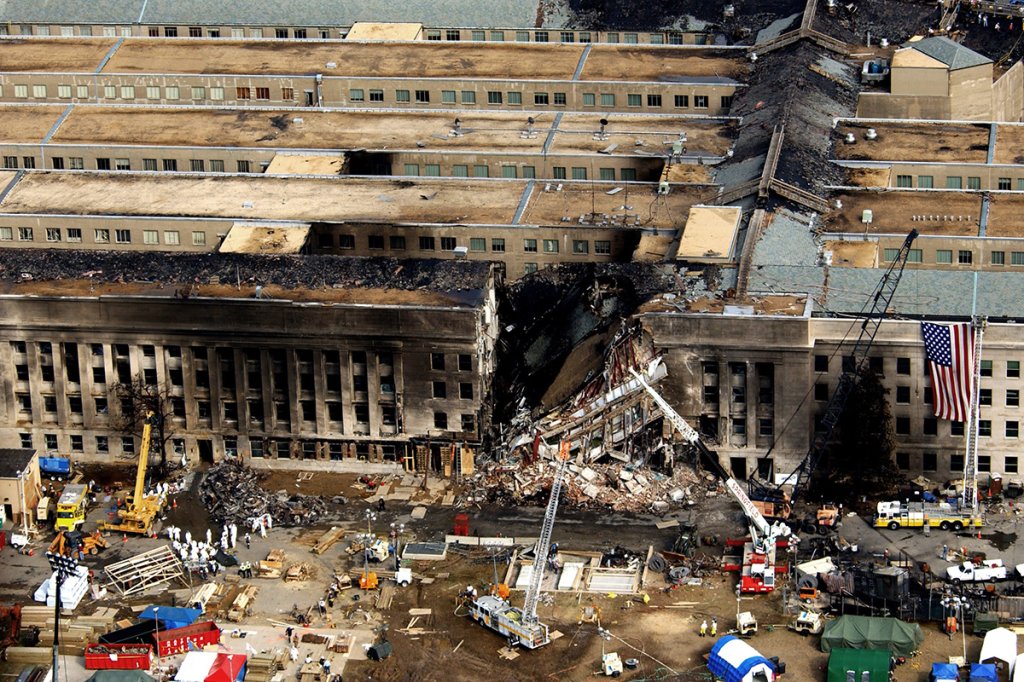
On September 11, 2001, a total of 19 terrorists hijacked four U.S. commercial airplanes. Two struck both towers of the World Trade Center, another hit the Pentagon, and the fourth crashed into a field near Shanksville, Pennsylvania, with no loss of life on the ground because of the bravery of some passengers.
The attacks killed 2,976 people, according to a tally from the FBI. In addition, thousands more were injured, and countless other lives were affected irrevocably.
In the months that followed the worst terrorist attack on U.S. soil ever, government officials raced to determine what could be done to prevent future occurrences.
The Department of Homeland Security sprang out of that race to improve the nation’s security. President George W. Bush’s proposal to create the new agency in June 2002 included removing the Coast Guard from the Transportation Department.
Some Questioned the Move to DHS
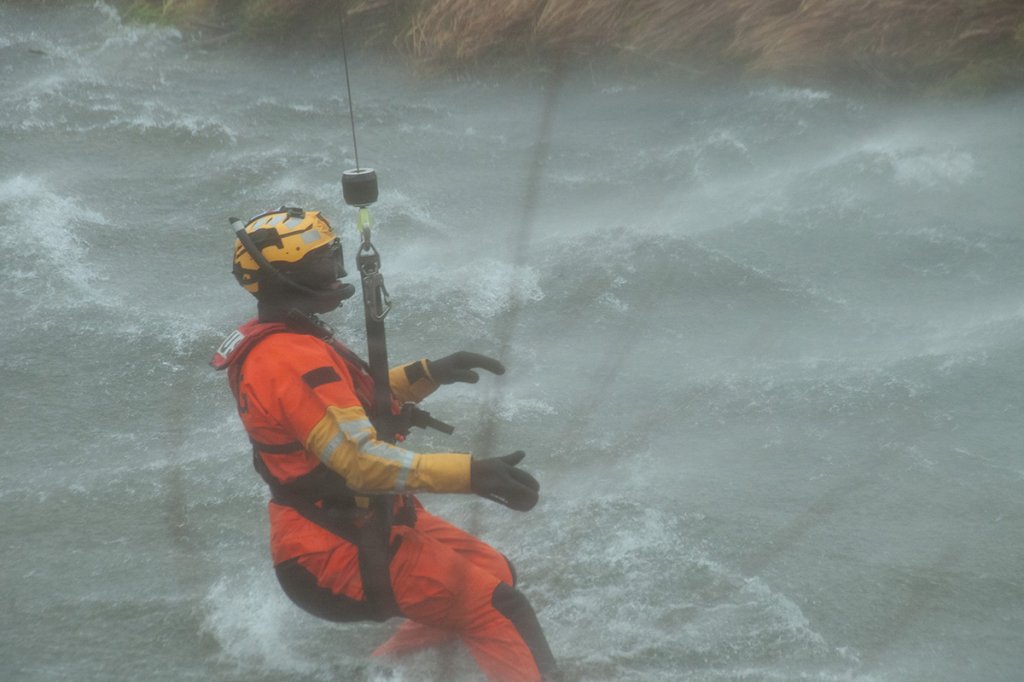
While Coast Guard officials supported the proposed move to DHS, others voiced concerns. They worried about whether security would become the service branch’s all-encompassing mission, overshadowing their myriad other functions.
“The Coast Guard provides a long list of services to average citizens and has limited responsibility in the area of security,” Rep. Don Young (R-Alaska), chairman of the House Transportation Infrastructure Committee, pointed out at the time.
After the back-and-forth played out, Congress passed the Homeland Security Act of 2002. Twenty-two federal agencies and entities became part of the new department, which started operations on January 24, 2003.
Besides the Coast Guard, DHS also is responsible for Immigration and Customs Enforcement (ICE), Customs and Border Protection (CBP), the Federal Emergency Management Agency (FEMA), the Transportation Security Administration (TSA), and the Secret Service.
Commandant Reports Directly to DHS Secretary

For the past two-plus decades, the Coast Guard has remained underneath DHS.
Because of the Homeland Security Act of 2002, the Coast Guard has a distinct relationship within DHS, though. That legislation stipulates that the Coast Guard Commandant reports directly to the DHS secretary (Oklahoma Republican Sen. Markwayne Mullin would be the ninth after President Donald Trump removed Kristi Noem from the position on March 5, 2026) instead of an undersecretary.
The law also specifies homeland security and non-homeland security missions and states that Congress must approve any change in those designations.
In addition, per the United States Code, the Coast Guard can become part of the Department of Navy during wartime or by an executive order from the president.
Whether the Coast Guard is under Homeland Security or Defense Department ultimately boils down to a bureaucratic exercise that doesn’t change this basic fact one iota.
Just like the five other military branches that report to the Pentagon, Coast Guardsmen perform vital operations every day. Without them, the United States will be less safe.