
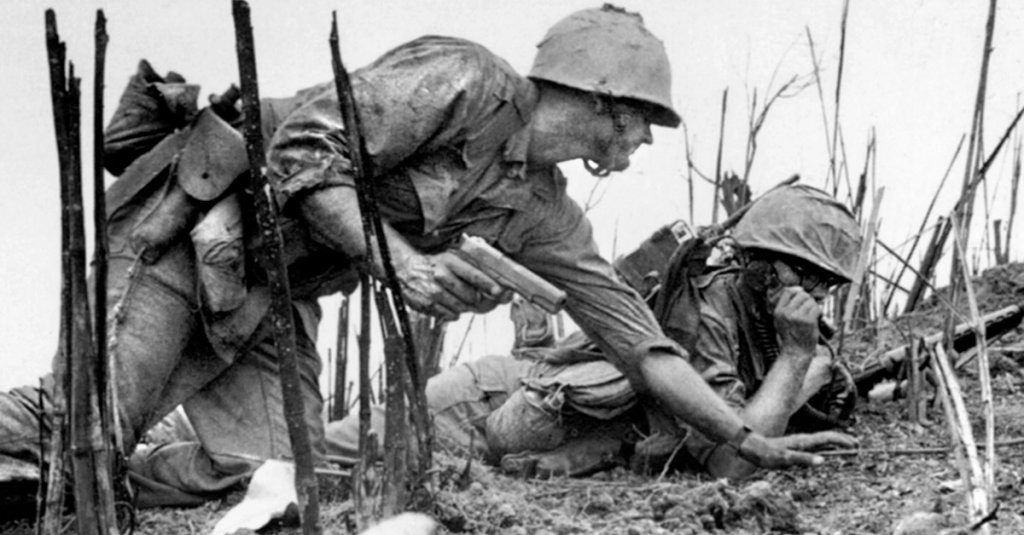
Throughout military history, weapons have become symbols of national pride for countries the world over; England has the English longbow, Japan has the katana, Saudi Arabia even has the saif on its national flag. For a country founded after the invention of firearms, it would make sense to have such a weapon become its national symbol.
Also Read: The 10 longest-serving weapons in the US combat arsenal
The United States has produced numerous, iconic firearms that stood the test of time—some for a century (and longer). But if we were forced to choose, America’s national firearm would be, unequivocally, the Colt Model 1911.
1. The Colt 1911 is All-American.
At the turn of the 20th century, when the U.S. Army looked to adopt a semi-automatic handgun to replace its revolvers, the German Luger P08 was seriously considered as a competitive option. Army officials liked the Luger’s controls and ergonomics (which ended up on the eventual Colt design) but instead, they made the right choice with the 1911.
Invented by John Moses Browning of Utah and manufactured by Colt in Connecticut, the 1911 is an American gun to satisfy American needs. But, what were those needs?
2. Bigger is better.
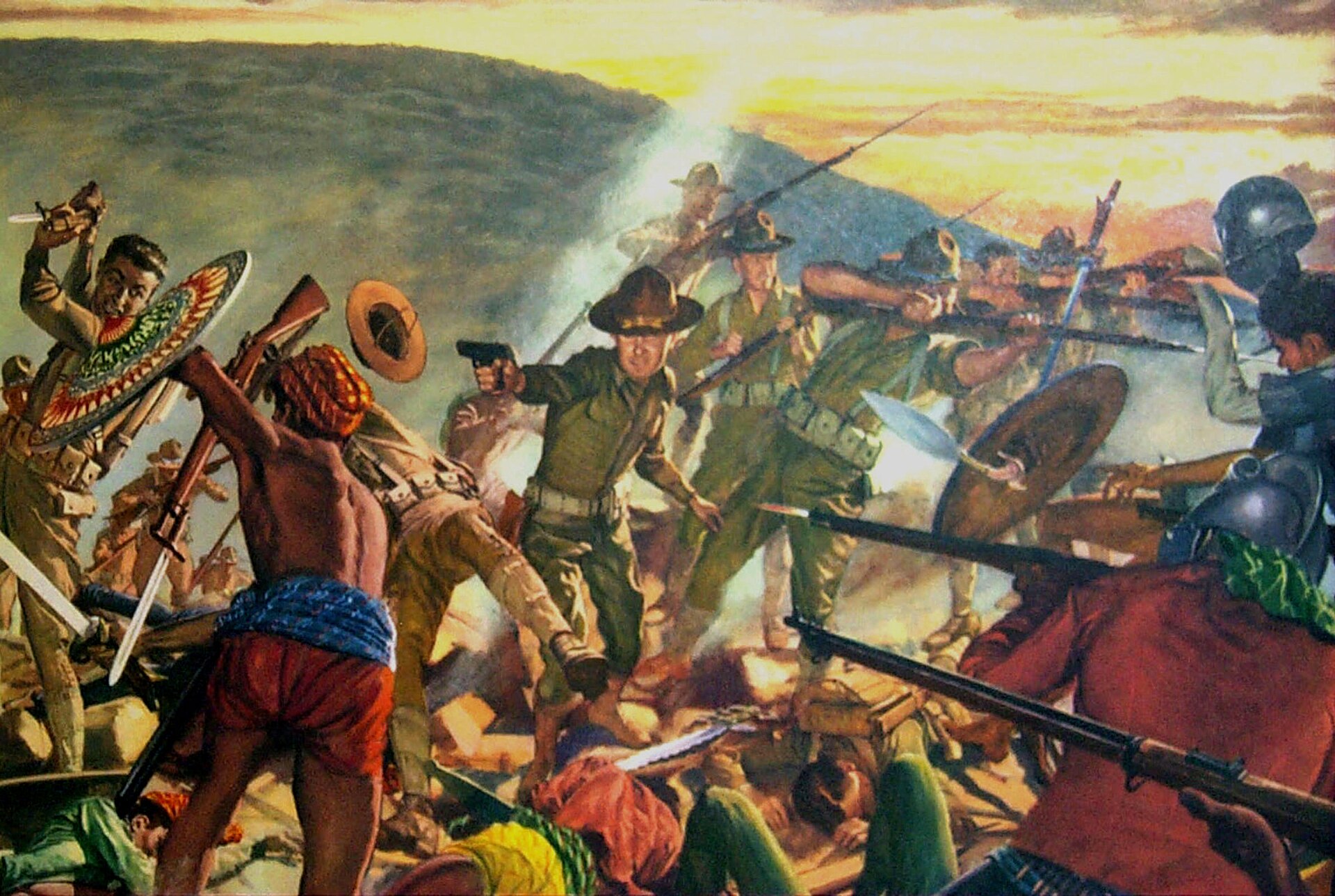
Bigger is better, and don’t let anyone try to tell you otherwise. Quite simply, U.S. troops needed to stop enemy combatants. Following the American acquisition of the Philippines after the Spanish-American War, American troops, Philippine Scouts, and the Philippine Constabulary were faced with the Moro Rebellion and juramentados, Muslim fighters in the Southern Philippines who conducted crazed suicide attacks as a form of jihad. Juramentados went so far as to bind their torsos to prevent blood loss during their attacks.
The Americans found their issued .38 Colt revolvers incapable of neutralizing the juramentado threat and called for a sidearm with more stopping power (the origin of the term). Colonel John T. Thompson of the infantry and Maj. Louis A. LaGarde of the Army Medical Corps conducted a series of tests to determine the appropriate caliber for this new sidearm.
After shooting cadavers and even live cattle, the Thompson-LaGarde Tests called for the handgun to have “…a caliber of not less than .45.” This became the .45 Automatic Colt Pistol cartridge which officially served the U.S. military from 1911 to 1985. There are plenty of arguments against .45 ACP and the Thompson-LaGarde Tests, but we’ll get to those later.
3. It was the Last Big Iron.
Though it’s a memory now, the Western Frontier is an inherent part of American culture. The U.S. Census Bureau declared the Frontier closed in 1890 and the Arizona and New Mexico territories were admitted to the Union in 1912. And yet, cowboys on horseback are still an American stereotype from Paris to Tokyo.
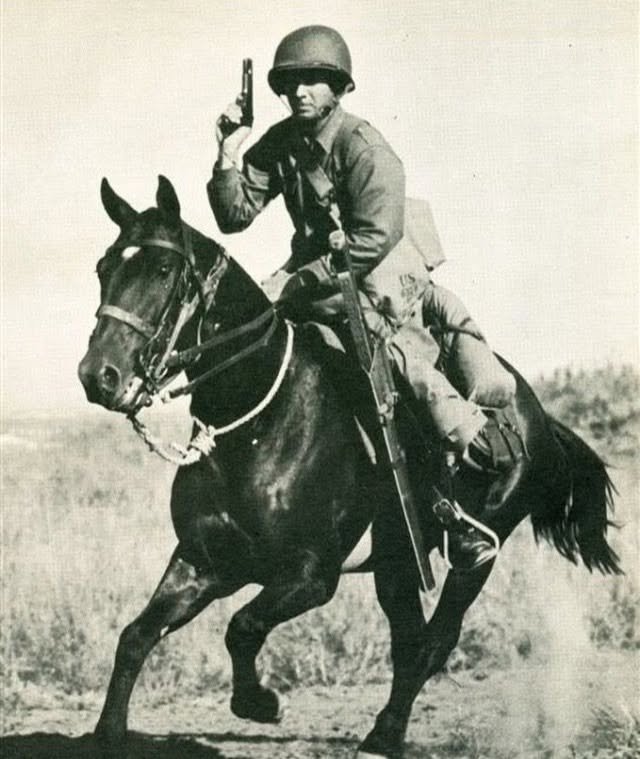
The 1911 was literally designed during and for this period. Features like the grip safety and thumb safety were added at the insistence of the U.S. Cavalry who wanted to ensure that troopers could work the gun one-handed while mounted. Despite the Horse Mafia’s best efforts to critique the 1911 and stick with revolvers, the semi-auto was adopted and horseback soldiers trained cavalry charges with the 1911. How American is that?
4. Longevity.
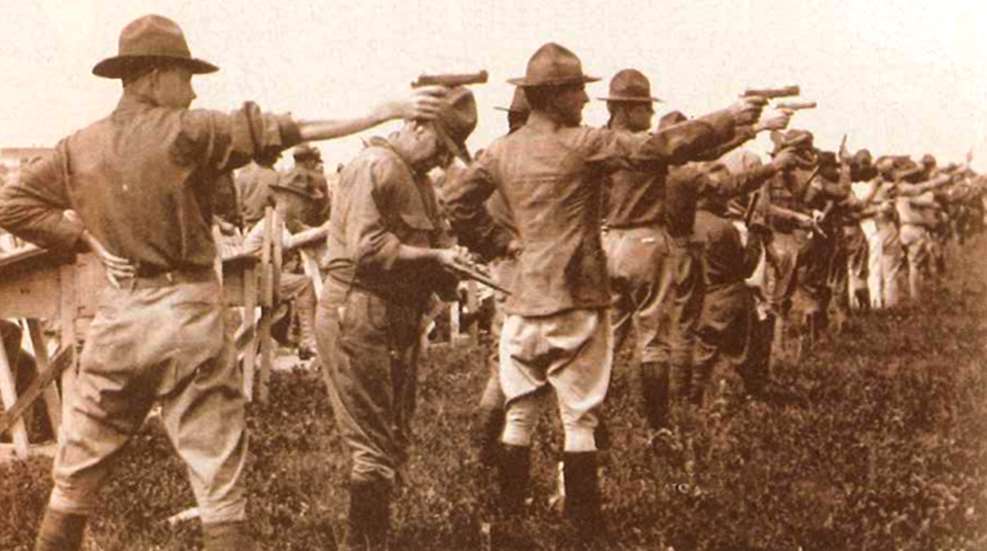
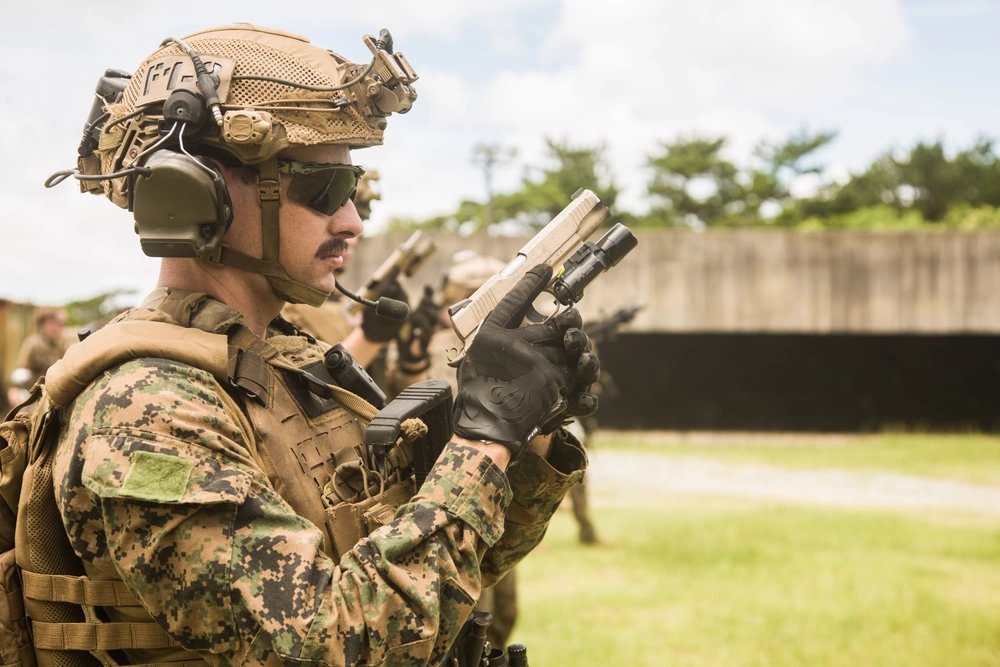
It might sound like the argument has been made that the 1911 is an antiquated design built for a bygone era. Maybe, but that doesn’t mean it’s not effective in the 21st century. Although it was officially replaced by the 9mm Beretta M9 as the U.S. military sidearm in 1985, the 1911 continued to serve through the Global War on Terror.
Green Beret ODAs and Navy SEAL Teams kept 1911s in their arms rooms and carried them in Iraq and Afghanistan, with some operators preferring the stopping power of .45 ACP to 9mm (I promise we’ll get to the caliber argument later). While these 1911s were accurized with National Match parts and other upgrades like grips and sights, Delta Force famously used heavily customized 1911s built on Caspian frames with Kart barrels. Even the Colt M45A1, a Series 80 1911 in .45 ACP, was in service with the Marine Corps as late as 2023.
5. The Colt 1911 is a Two-Time World War Champion.
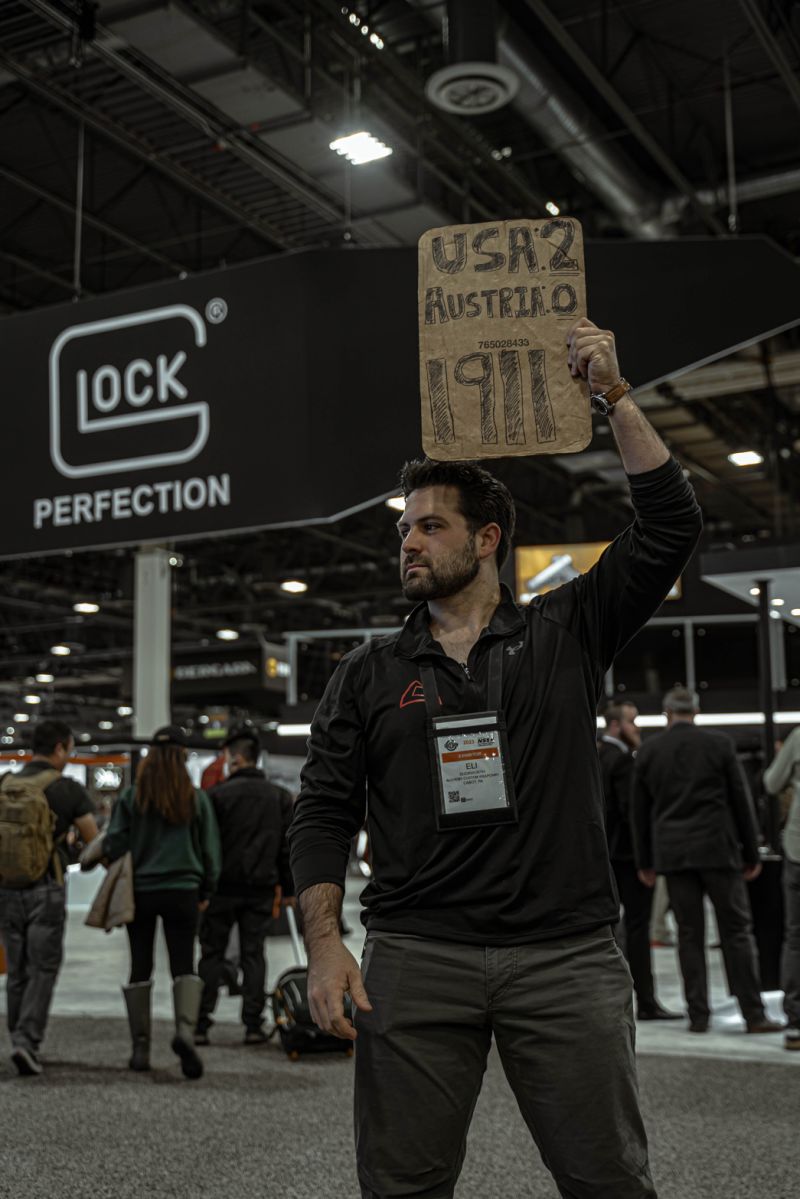
You knew it was coming. From Alvin York killing 25 Germans and capturing 132 in the Argonne in 1918 to Owen Baggett who reportedly shot down a Japanese plane while parachuting over British India in 1943, the 1911 is the undisputed back-to-back World War Champion.
Related: This pilot shot down an enemy fighter with his 1911
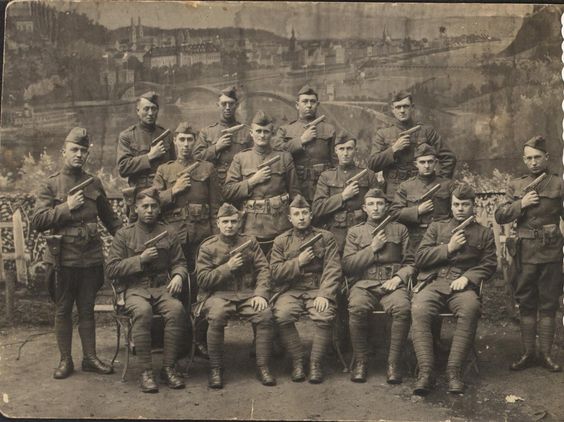
I’m not saying that the 1911 cut through swathes of enemy troops with soul-eviscerating .45 ACP. If anything, sidearms rarely see combat, with artillery, bombs, rifles, and machine guns responsible for far more enemy casualties. However, what a big and powerful sidearm like the 1911 gave World War I doughboys and World War II GIs was confidence. Just look at photos of troops proudly posing with their pistols. Troop confidence in equipment, especially weapons, is vital to success on the battlefield.
6. Availability.
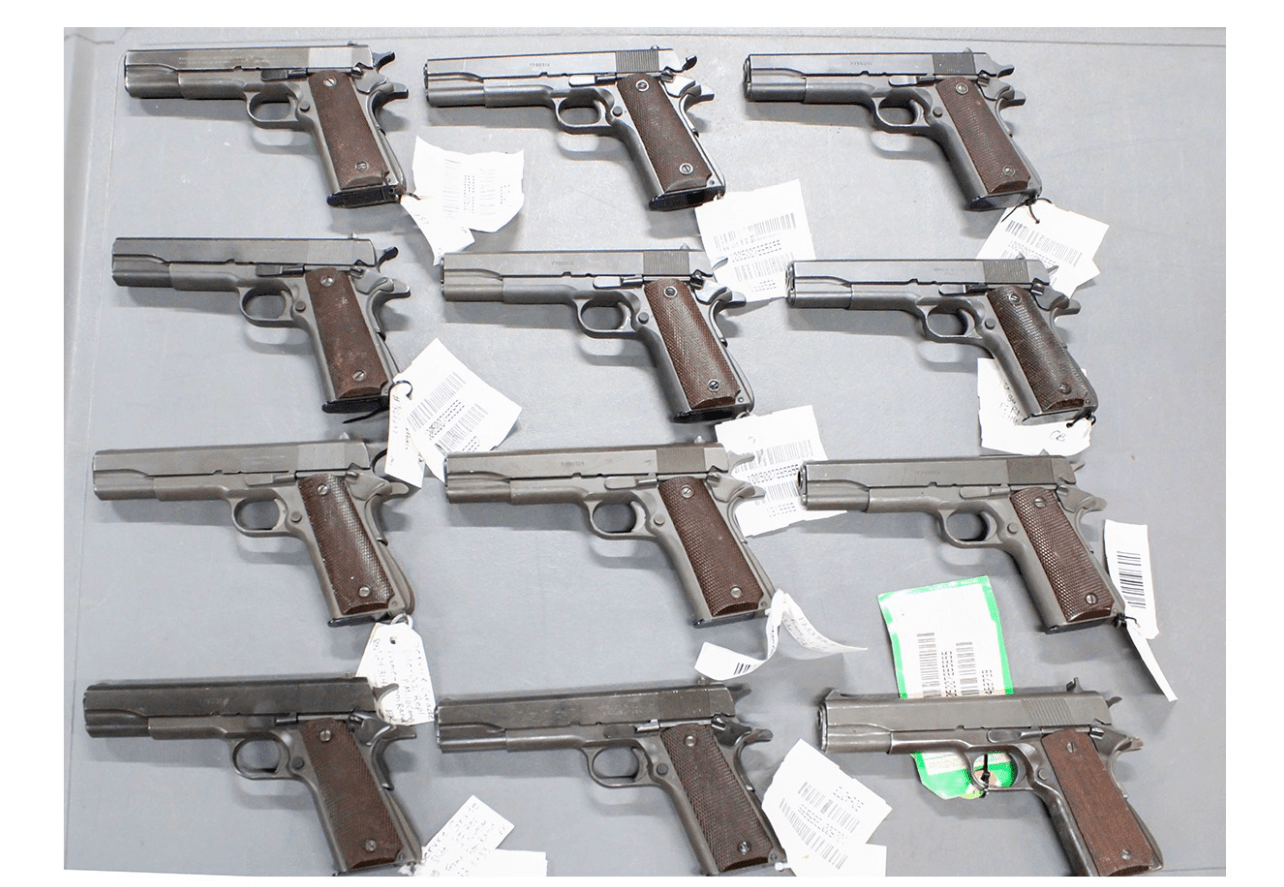
The Colt 1911 wouldn’t make for a very good national weapon if people couldn’t get one. Luckily, there are so many different manufacturers and models of 1911 that some form of the pistol can be legally purchased and owned in all 50 states. This also means that there are 1911s at all price points for everyone from casual enthusiasts to hardcore collectors and shooters.
Want to own a genuine piece of American military history? Surplus GI 1911s are sold by the Civilian Marksmanship Program. Collected from armories across the United States, some of these pistols can be traced to Special Forces units with a Freedom of Information Act request to U.S. Army Materiel Command at Redstone Arsenal.
“The CMP is proud to offer our battle tested 1911s in .45 acp only,” CMP employee George Marshall posted on the CMP forum. “9mm never won a world war, 9mm was on the side that LOST the world war, and the day our red blooded .45 acp [sic] 1911s are no longer available, we at the CMP will gladly shut our doors before offering any other caliber, because in our opinion, there IS no other caliber…”
7. Customization.
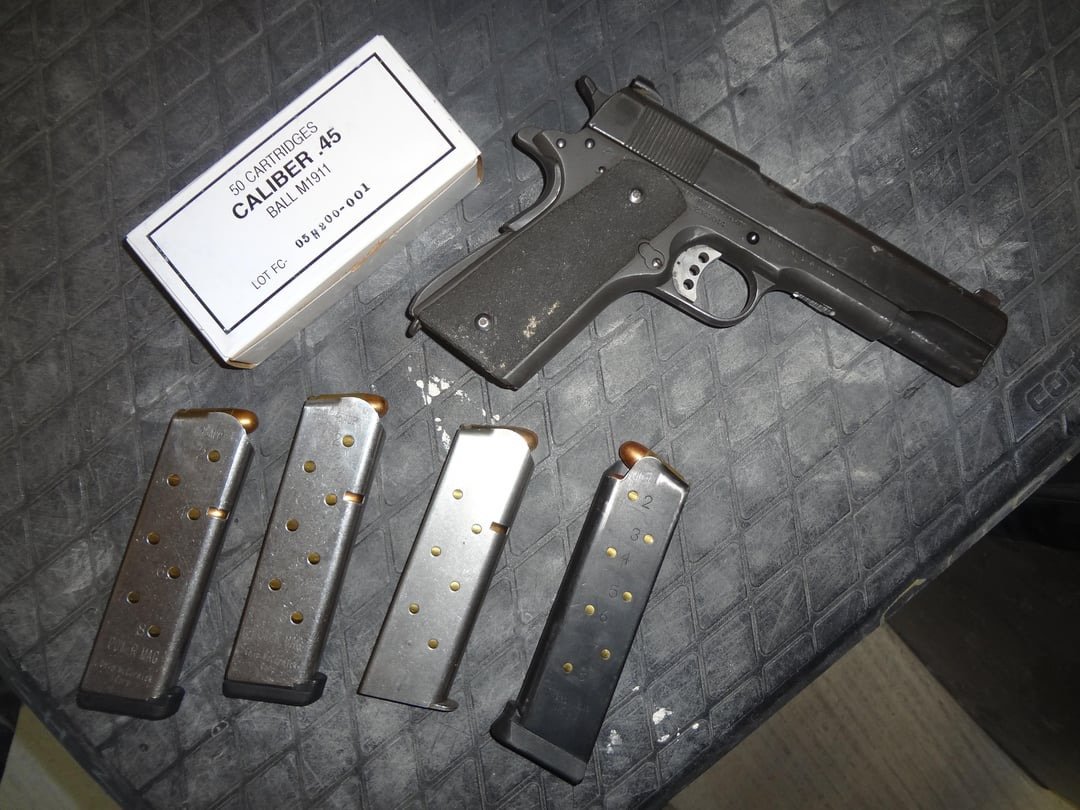
Americans value individuality. We modify our cars, customize their license plates, and put stickers on our water bottles and laptops. Even in the military, troops find a way to stand out in uniform with unique watches, boots, and the ever persistent mustaches. After World War II, surplus 1911s started to hit the civilian market and gunsmiths got to work making custom parts for them; specialized parts like ambidextrous safeties started to emerge.
Today, aftermarket parts from manufacturers like Wilson Combat, Nighthawk, and Ed Brown allow 1911 owners to customize their pistols to their specific needs and preferences. Moreover, custom shops like the aforementioned companies, Alchemy Custom Weaponry, and Cabot Guns can make bespoke 1911s to a customer’s specifications. Want a 1911 made of meteorite? It’s been done.
Read Next: How you can buy M1911 pistols made from meteorites
8. Evolution.
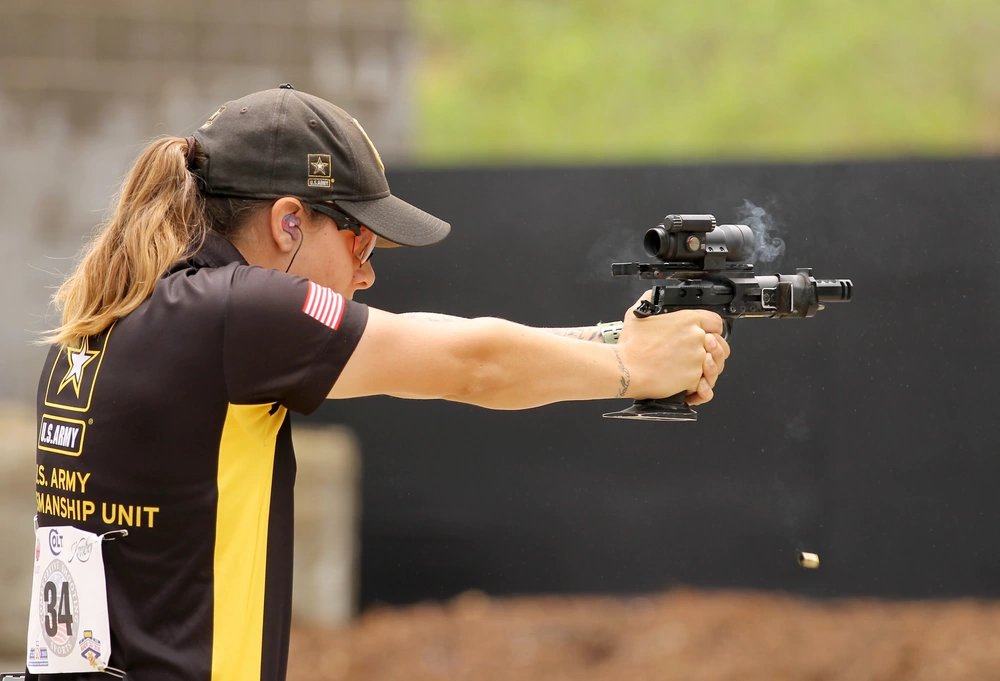
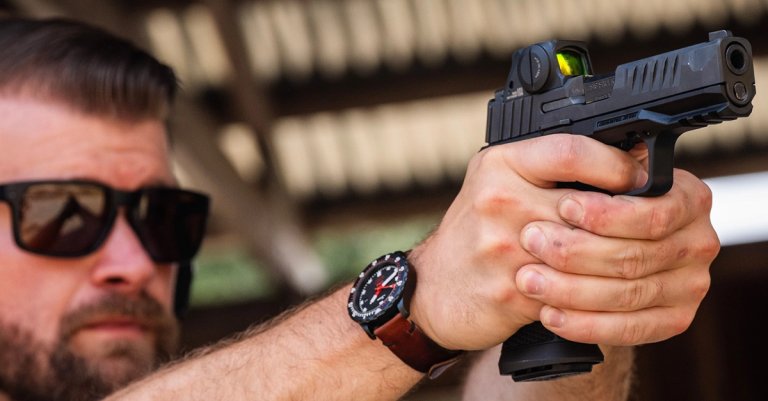
The 1911 is loved for its natural-pointing ergonomics and crisp, single-action trigger. However, critics bemoan its single-stack magazine and low ammunition capacity by modern standards. The solution: give it a double-stack magazine with more capacity. Para-Ordnance was the first to do this with their conversion kits in 1988. However, reliability was mixed and the company is now defunct.
STI introduced their own double-stack update with the 2011, using a two-piece frame with a polymer grip. Following the rebranding to Staccato and updated 2011 magazines, the modern 2011/double-stack 1911 market has exploded with a range of manufacturers selling their own versions of the evolved 1911. The platform has become a staple in competitive practical shooting where speed and accuracy are paramount.
9. The 1911 is also the original American 9mm.
I told you we would get to it. The Thompson-LaGarde Tests have been criticized for their unscientific methods (they did the best they could at the time) and the results arguably demonstrate that shot placement is more important than caliber.
Moreover, extensive ballistics testing by the FBI has shown that modern 9mm loads are extremely effective while offering increased capacity over the larger .45 ACP. Even the U.S. Army wanted to switch to 9mm and a lighter sidearm after World War II, launching a pistol replacement program in 1947. Requirements included 9mm chambering and a weight of under 25 ounces.
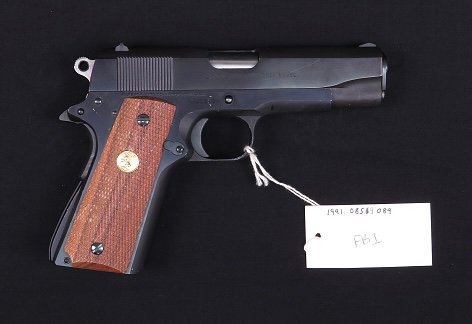
Colt pitched the 1911 Commander with a lightweight, alloy frame and a shorter slide and barrel. Although the Army elected to stick with the 1911, having plenty of pistols and .45 ammunition after the war, Colt launched the Commander on the civilian market.
Yes, the 1911 has been in 9mm longer than Glock has been a company. There’s nothing wrong with a 1911 in 9mm, especially a Commander. But, .45 is still the original.
Don’t Miss the Best of We Are The Mighty
• This classic carry pistol was used by gangsters, generals, and spies
• The 1911 pistol is not ‘just as John Moses Browning’ intended
• America’s last combat revolver served from World War I to Vietnam
Loading comments…
Comments couldn’t be loaded. Please refresh the page.