
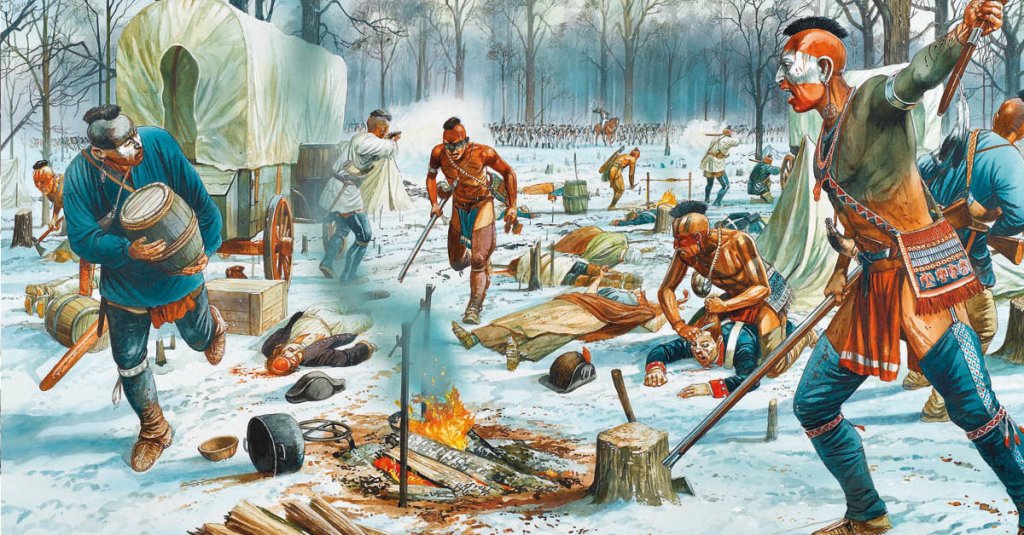
The fight against westward expansion of the United States did not go well for the native tribes of the Americas. But it didn’t start out that way. In the early years of the United States, one American Indian uprising would give the tribes of the New World a glimmer of hope and cost one Army officer his job – for good reason.
What came to be known as “St. Clair’s Defeat” was also the most decisive defeat in the history of the American military and the largest ever won by Native tribes.
It was the early days of the nascent United States (as well as the administration of George Washington). Native tribes along the country’s frontier had allied with Great Britain during the American War for Independence, and the victorious Americans were not at all happy about it. So when it came time to pay for the war, the Americans decided to sell off their newly-acquired lands east of the Mississippi, despite the thousands of natives who already lived there. This did not sit well with the tribes, who didn’t recognize American ownership anyway.
Washington ordered Maj. Gen. Arthur St. Clair to march a combined force of American troops and militiamen into the Ohio territory and subdue the indigenous people there. Those tribes, led by Little Turtle of the Miamis and Blue Jacket of the Shawnee, along with warriors from around the territory, had already defeated a much larger force sent to dispatch them.
St. Clair would fare no better.
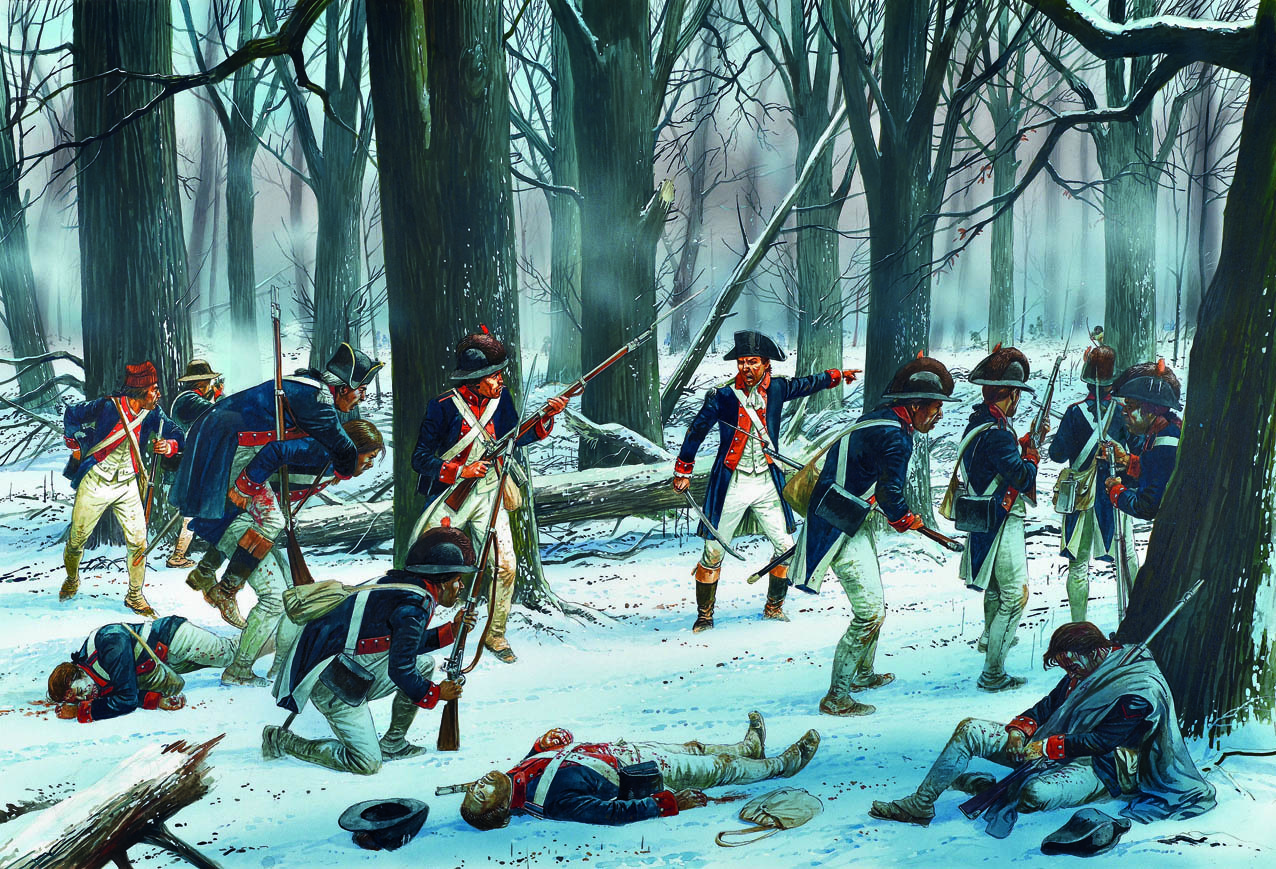
Everything went wrong for St. Clair. His army was plagued by desertions, poor discipline, disease, as well as inadequate horses and equipment. He was unable to move during the summer and didn’t even depart for the Ohio until October 1791. As the army and its camp followers moved from present-day Cincinnati to what is now Fort Wayne, Ind., they were harassed by native skirmishers, who only compounded their problems.
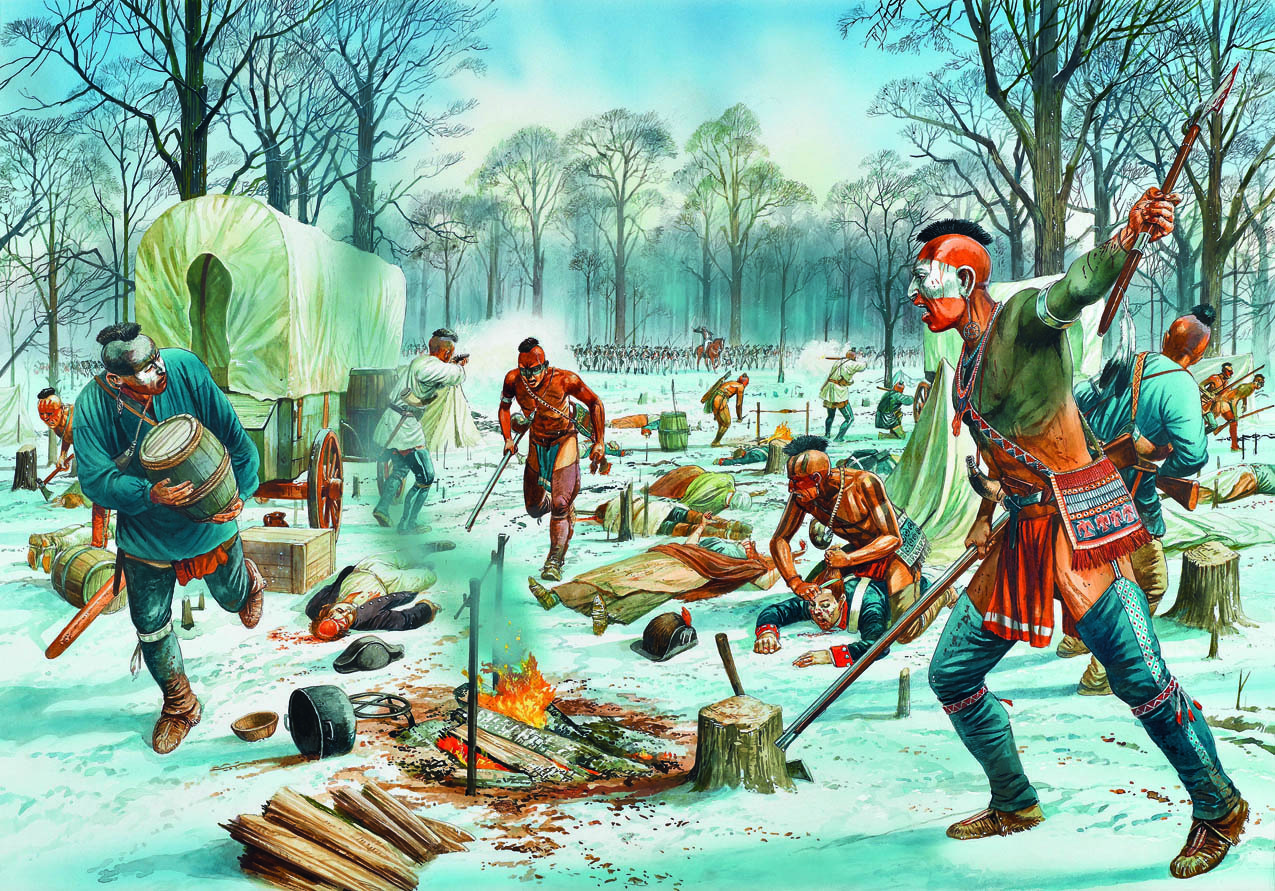
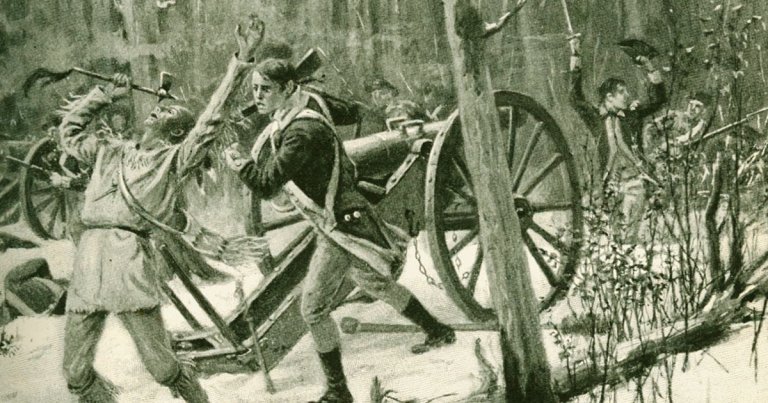
By November, the menagerie arrived at Fort Recovery, Ohio, where they made camp. Unfortunately, they made no effort to reinforce their position, mount patrols in the surrounding woods, or recon the area. So when the Indians waited until breakfast was served on Nov. 3, 1791, the Americans were utterly unprepared. The battle was a complete surprise, and the Indians sent the Americans packing in a rout.
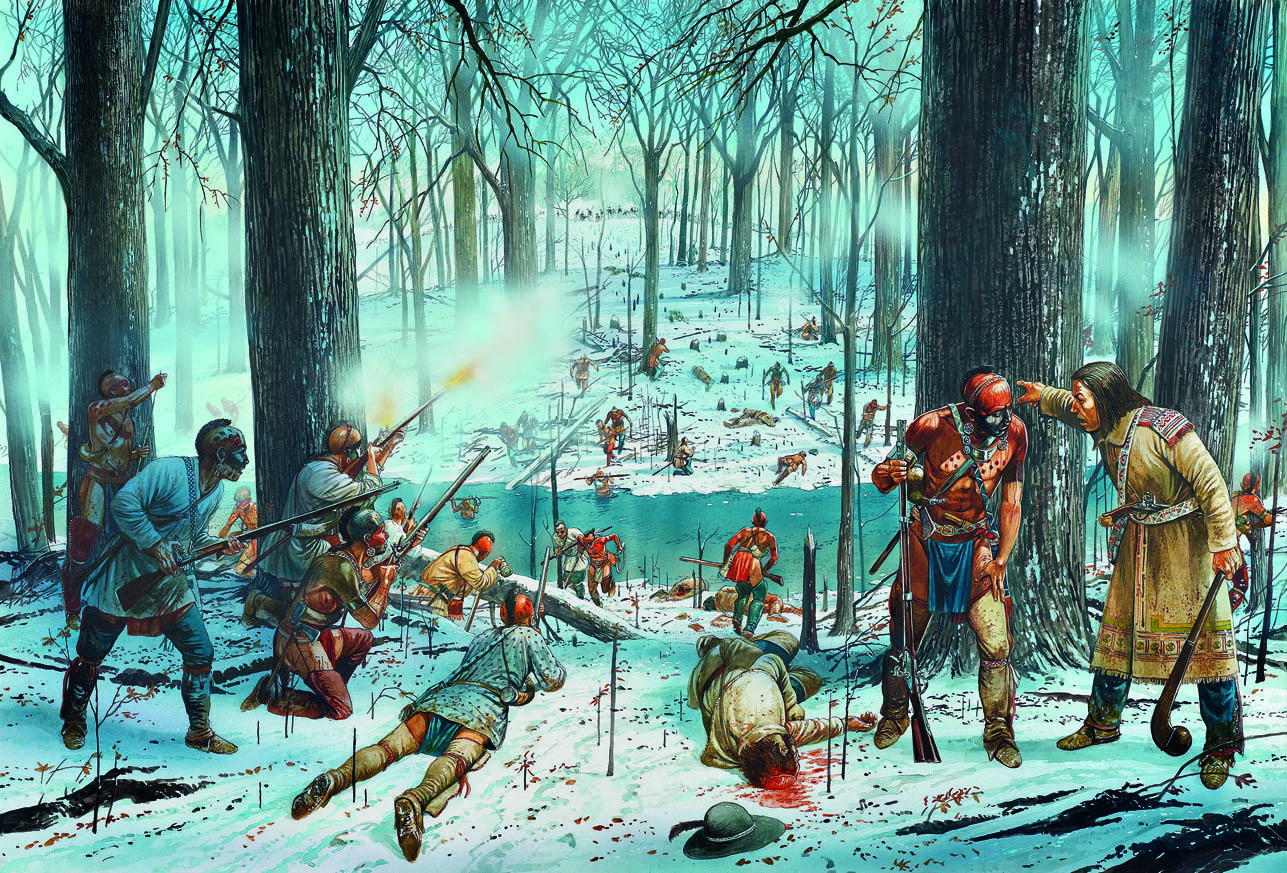
The artillerymen were picked off by the native snipers, and the guns were spiked. Kentucky militiamen fled across the Wabash River without their weapons. While the American regulars were able to mount a somewhat effective defense, it was not enough, given their lack of preparation. They were able to form up, but a force led by Little Turtle flanked the regulars. Every time the Americans mounted a bayonet charge, the natives appeared to break and flee into the woods. But as the oncoming attackers gave chase, they were encircled and slaughtered once they entered the woods. St. Clair himself lost three horses.
After three hours, the Americans were forced to make a break for it, leaving supplies and wounded men in the camp. The supplies were looted, and the wounded were executed by the Indians. The casualty rate for the U.S. troops was a stunning 97.4 percent, with 632 killed and 264 wounded. The Natives lost only 21 men.
President Washington was livid. He demanded St. Clair’s resignation, then reorganized the entire U.S. Army. He and Congress raised more men for the Army to lead a war against the Indians who inflicted the loss on St. Clair. That unit, called the Legion of the United States, was led by Maj. Gen. “Mad” Anthony Wayne, who really earned that nickname. Two years after what became known as “St. Clair’s Defeat,: Wayne would march the legion into Ohio and inflict a devastating loss on Little Turtle and Blue Jacket at Fallen Timbers – a win that would bring the war to an end.
Loading comments…
Comments couldn’t be loaded. Please refresh the page.