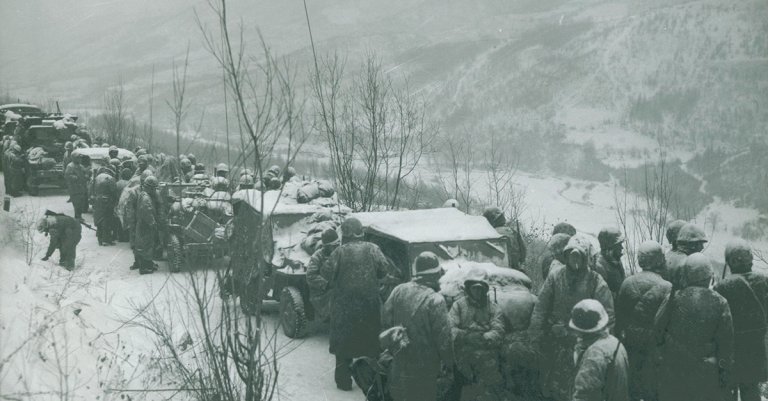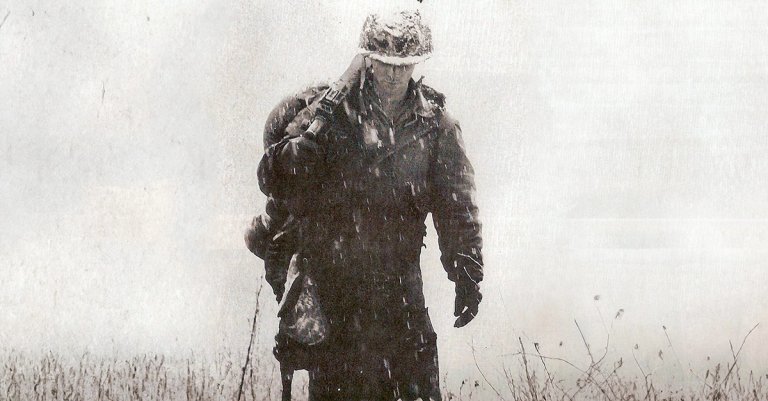
With the Korean War eclipsed for years by the tumult and resulting political bloodletting of the Vietnam War, most historians dubbed the conflict there “The Forgotten War.” But the war wasn’t forgotten by the guys who were fighting it, and in an era of jet technology, the fighting in the skies above North Korea was just as intense as what was happening on the ground.
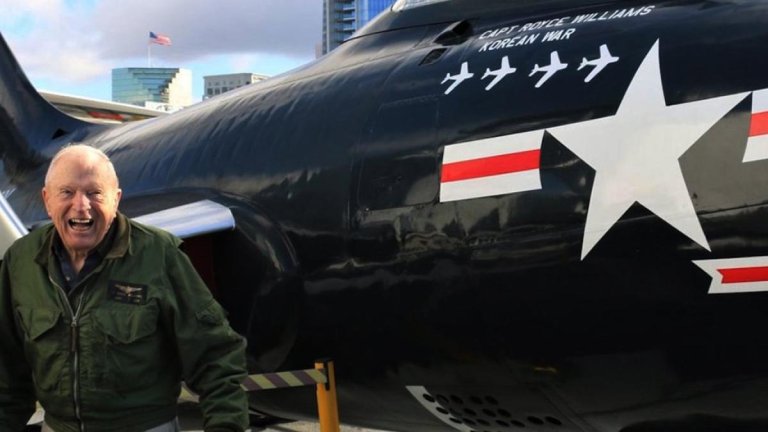
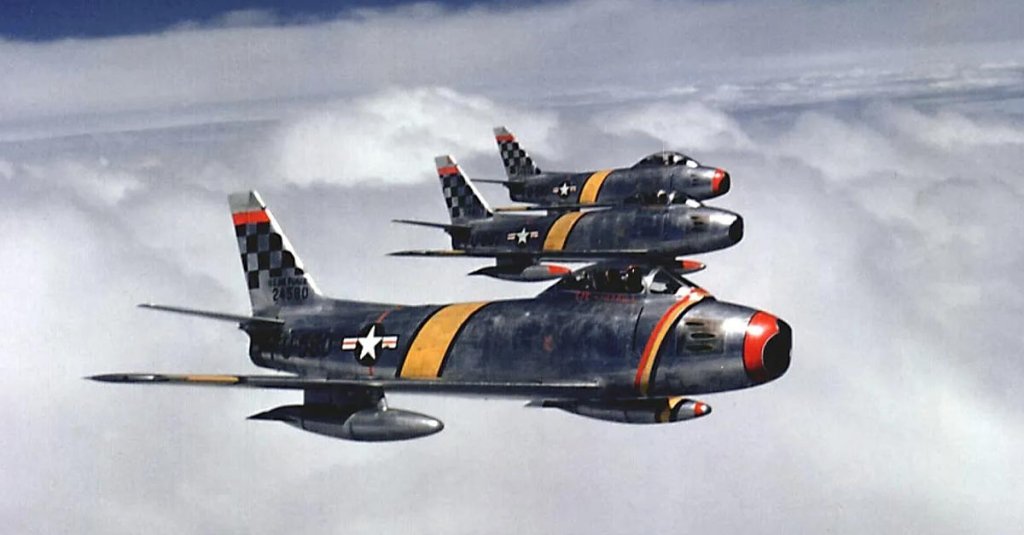
Much of the aerial combat in that war was focused on what was called “MiG Alley,” where Soviet-built (and in some cases, flown) Mikoyan-Gurevich MiG-15 “Fagot” fighters took on North American F-86 Sabres.

The actual area was relatively small compared to the entire battlefield. According to the National Museum of the United States Air Force, Soviet dictator Joseph Stalin was afraid of the consequences if a Soviet pilot was captured. So, he ordered pilots not to go too far south.
That, and the short range of the MiG-15 (a common problem faced by early jet fighters), combined with restrictive rules of engagement for the American pilots (who couldn’t attack the bases in Manchuria) to mean that most of the air battles were fought near where the Yalu River entered the Yellow Sea.

At the start of the Korean War, neither plane was sent into the action. Aviation historian Joe Baugher noted that most of the planes used on both sides were World War II piston-engine fighters, like the P-51 Mustang, the Yak-9, and the Il-10 (a refined version of the Il-2 Sturmovik). The MiG-15 soon made its appearance, and while F-80 Shooting Stars were holding the line, the U.S. eventually sent the more modern F-86.
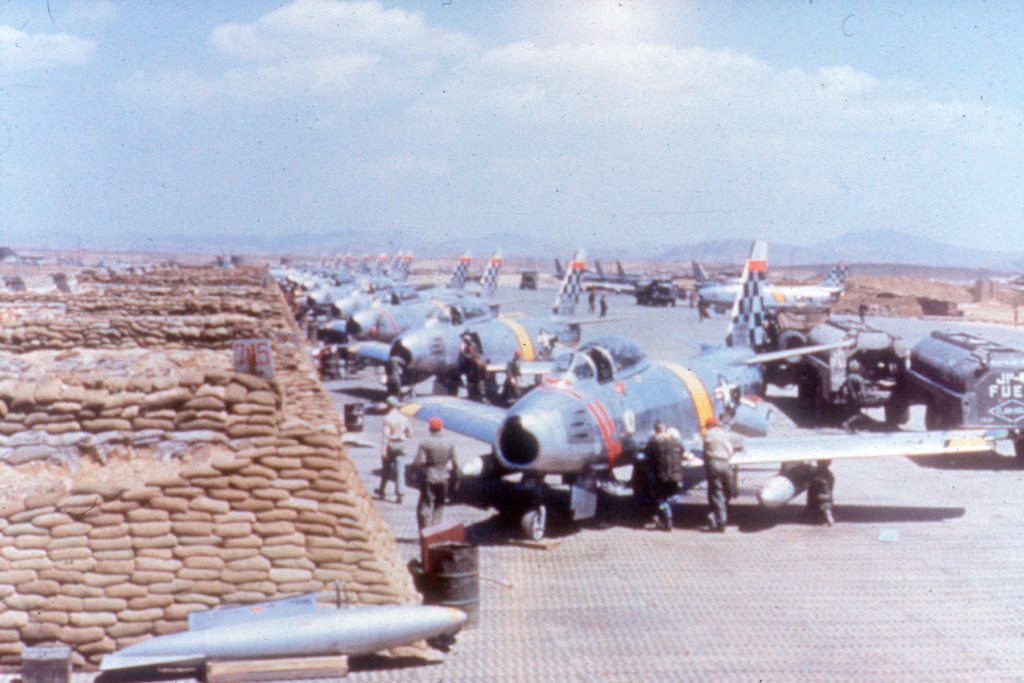
By 1953, most of the pilots flying MiGs in “MiG Alley” were North Korean and Chinese pilots. American pilots, many of whom were experienced, were racking up one-sided victories that hadn’t been seen since the Marianas Turkey Shoot and wouldn’t be seen again until the Bekaa Valley Turkey Shoot.
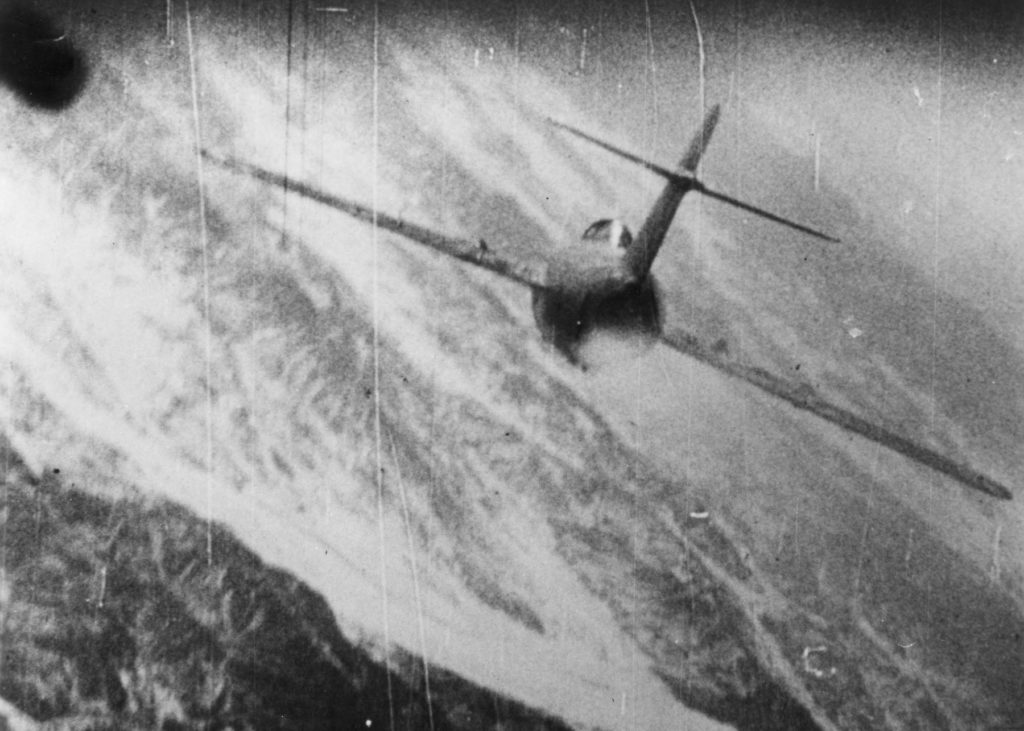
By the time hostilities ended, the Sabre had scored at least 792 kills and lost 78 planes in air-to-air combat, a ratio of ten to one.
A total of 39 pilots became jet aces (pilots who scored five or more kills) in the Korean War, all of whom flew Sabres. “MiG Alley” had surely proven deadly… for the MiGs.