
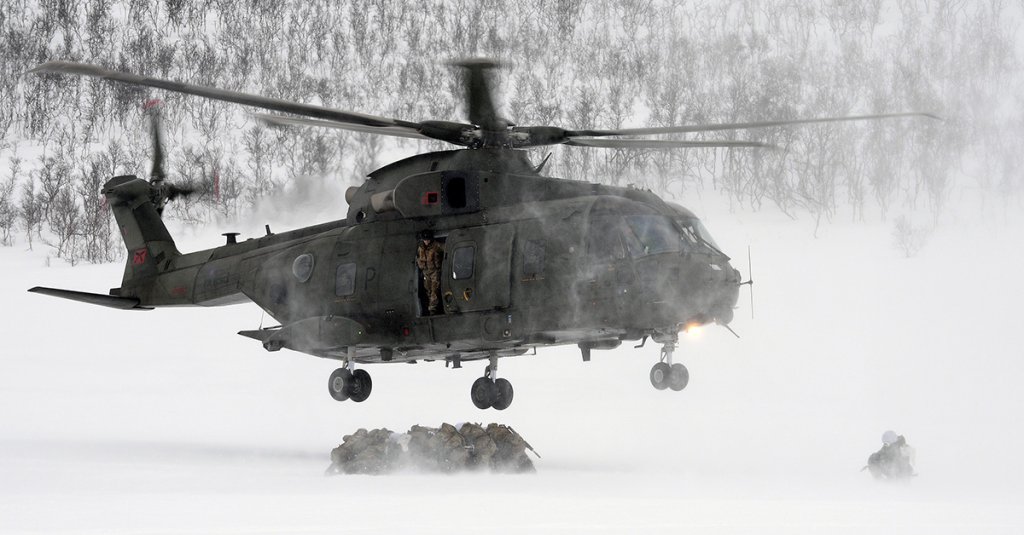
Britain formed a number of commando units in World War II. These units operated from Burma, to India, to Europe, and even north of the Arctic Circle in Norway. The No. 14 (Arctic) Commando trained specifically to sink German ships, destroy infrastructure, and interrupt operations. Its goal was to cripple Axis efforts in the Atlantic.
The unit was formed after the success of Operation Gunnerside, a joint commando operation that saw the destruction of equipment at a Nazi-held heavy water plant. The British Special Operations Elective, or SOE, trained 11 Norwegian commandos for the operation in late February 1943.
Its success ultimately delayed the German creation of a nuclear bomb or reactor. (The Germans were already leaning toward the reactor over the bomb and had limited material to pursue either.)
Related: Operation Gunnerside: The most successful sabotage of WWII
But Operation Gunnerside had also shown a shortage of suitable transportation and experienced personnel. Because of that, British leadership allowed members of the 12 Commando unit to form the “Fynn Force,” as well as to create a new commando unit, 14 Commando, in 1942.
Talk About Nerves of Steel
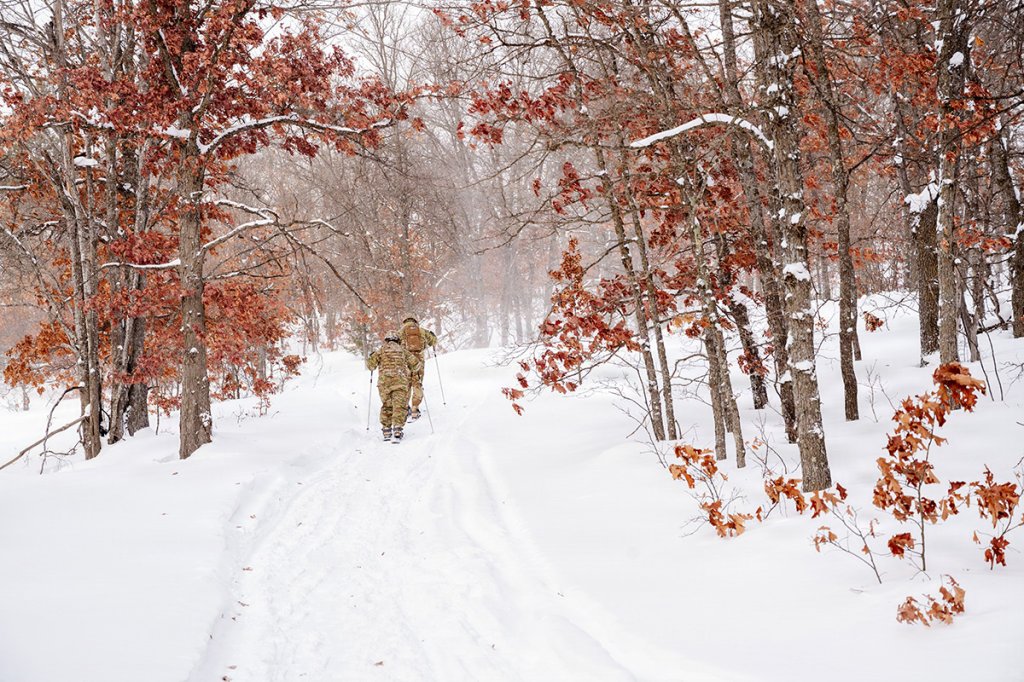
Troops were recruited from units with experience in cold climates, especially those who already knew how to ski and canoe. Yes, canoe. The unit was to be split into two, each specialized for certain operations. One group would focus on transiting via skis, and the other would row in canoes.
Canadians were in high demand for the unit, but British and Norwegian sailors and commandos joined as well. The job required steady nerves. Most missions proposed for the Arctic commandos were obvious suicide missions. One raid, scheduled for the winter of 1942-1943, called for a group of skiers to parachute in and destroy a viaduct critical for iron ore transportation.
The unit commander voted against the mission on the basis that the party would almost certainly not be able to escape, but they were overruled because of the value of success even if the commandos were lost. Luckily for them, weather made the mission impossible.
What Was Operation Checkmate?
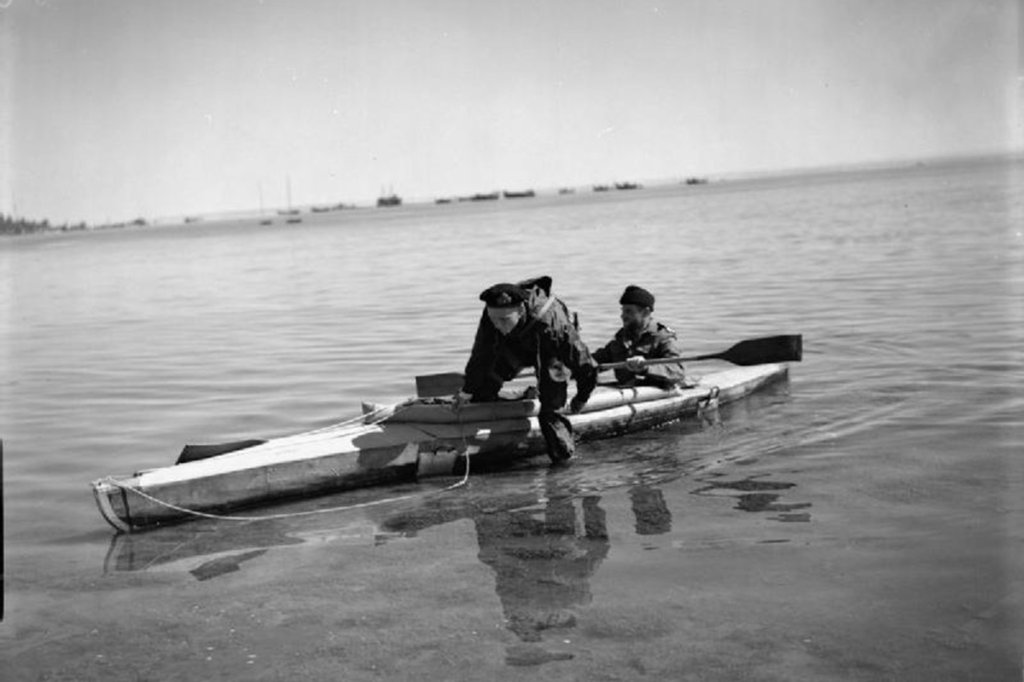
But No. 14 Commando would get its chance to fight just south of the Arctic Circle. Seven men were sent on a canoe raid against German ships in Operation Checkmate, which began on April 28, 1943, and lasted for 2½ weeks.
They went forward on a motorboat, then split up. Four men stayed with the boat while four went forward in two canoes. The men in the canoes planted a limpet mine against the hull of ships, sinking a German minesweeper before they escaped.
But the mission fell apart there. The men on the motorboat were forced to move from the rendezvous point, and the quartets tried to escape and evade separately.
Neither group made it out. They were captured during a massive search involving German forces and Norwegian civilians.
Thanks to the new order from Adolf Hitler to kill all captured commandos, issued months before in October 1942, all seven were sentenced to die. Six were executed after forced labor in concentration camps while the other died of typhus.
Other units later absorbed the rest of No. 14 Commando after the organization was disbanded.