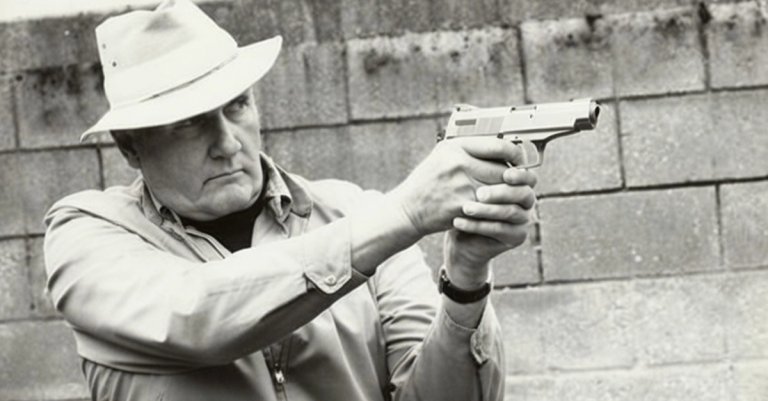
Marine Corps Recruit Depot Parris Island sits on a remote stretch of South Carolina’s Lowcountry, surrounded by tidal marshes and waterways that underscore its isolation. Established as a permanent recruit training site in 1915, Parris Island quickly became the heart of East Coast Marine training. Its geography was intentional. Isolation reinforced discipline, eliminated civilian distractions, and created an environment where recruits could focus entirely on transformation.
Related: 5 things Marine Corps recruits complain about at boot camp
Throughout World War I, Parris Island processed an increasing number of young men preparing for service overseas. During World War II, its importance expanded dramatically as tens of thousands of Marines passed through its gates on their way to combat in Europe and the Pacific. The depot adapted to changing warfare, evolving training methods while preserving the rigid structure that defines Marine boot camp.
The environment at Parris Island is legendary. Recruits contend with extreme humidity, oppressive heat, sudden storms, and persistent sand fleas that turn every outdoor evolution into a test of mental endurance. The terrain is flat and unrelenting, offering no relief or variation. Field training, rifle qualification, and physical conditioning occur within the depot, reinforcing the sense that Parris Island is a closed world dedicated entirely to producing Marines.
For many graduates, surviving the Lowcountry environment becomes inseparable from their identity as a Marine.
Discipline and Adaptability on the Pacific Coast
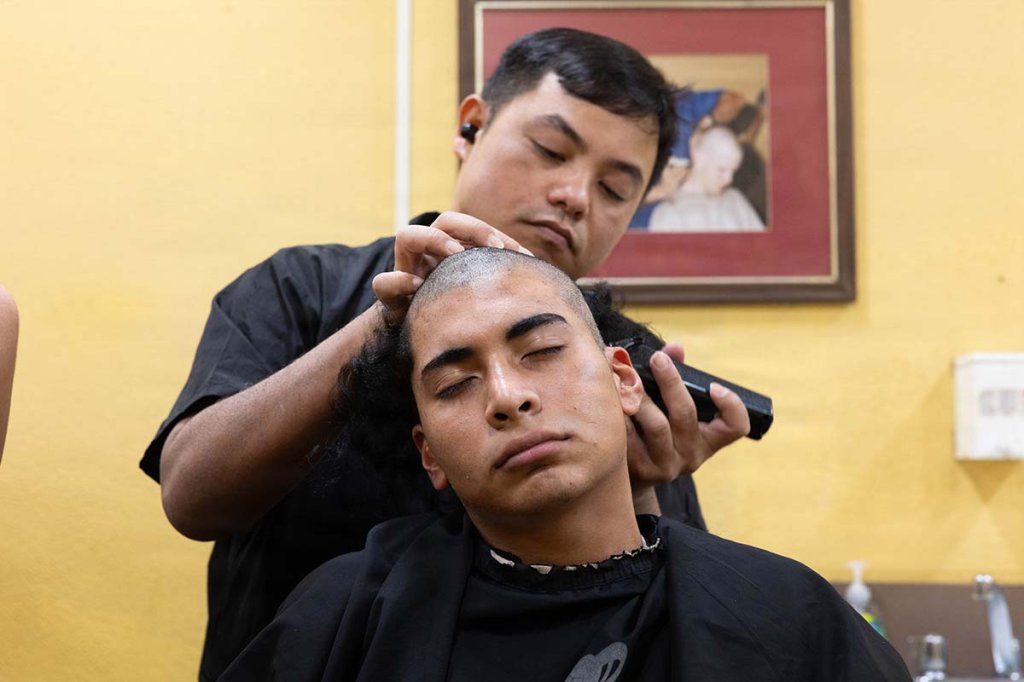
Marine Corps Recruit Depot San Diego was officially established in 1921 as the Marine Corps expanded its presence along the West Coast. Its strategic location reflected America’s growing involvement in the Pacific and the Corps’ need to efficiently train recruits destined for service across the region. During World War II, San Diego became a vital hub, preparing Marines for the island-hopping campaigns that would define the Pacific Theater.
Unlike Parris Island’s isolation, San Diego’s depot exists within a dense urban environment. Located near downtown and adjacent to a major international airport, the depot is surrounded by reminders of civilian life. This proximity creates a distinct psychological challenge. Recruits can hear aircraft overhead, see city lights in the distance, and know that normal life continues just beyond the gates, even as they are entirely cut off from it.
The physical environment adds its own demands. San Diego’s steep hills test endurance daily, forcing recruits to move uphill under load in relentless sun. Summers bring dry heat that saps energy without the relief of coastal breezes. Rifle qualification and major field training exercises take place at nearby Camp Pendleton, requiring recruits to adapt to different terrain and conditions as part of their training pipeline. This movement reinforces a core Marine Corps expectation: adaptability in unfamiliar environments.
San Diego’s training experience emphasizes mental focus amid constant noise and elevation changes. The challenge is not less than Parris Island’s, but different. Graduates often point to the hills, heat, and psychological strain as proof that West Coast training is every bit as demanding.
Behind the ‘Hollywood Marine’ Label
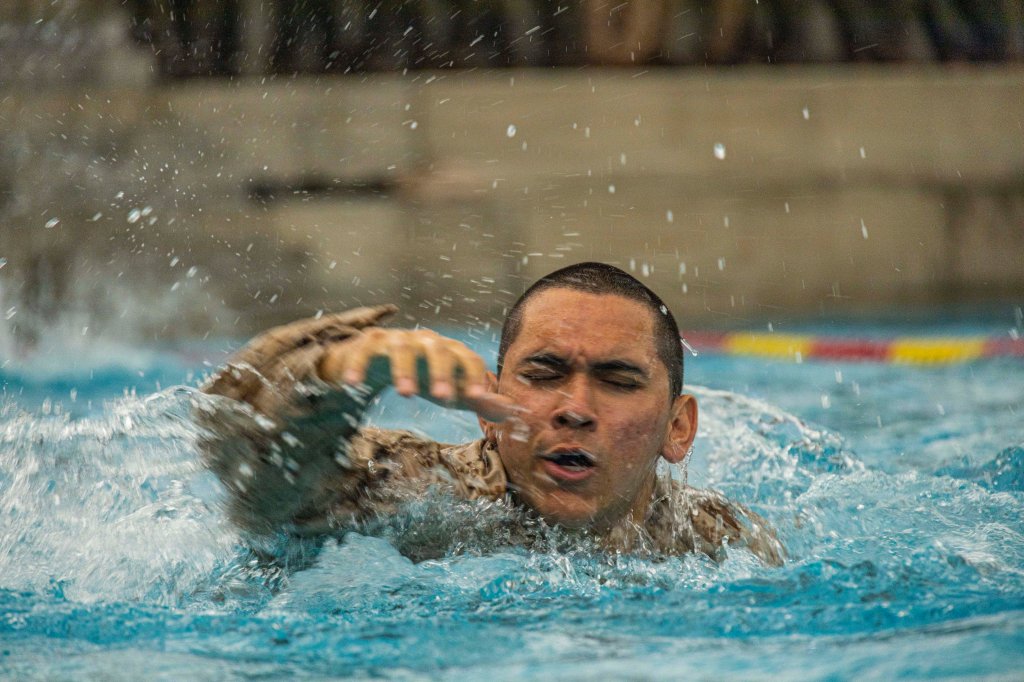
The nickname “Hollywood Marine” originated as playful sarcasm among Parris Island graduates. To recruits enduring the swampy heat and insects of South Carolina, the idea of training near palm trees and sunshine sounded suspiciously comfortable. The term referenced San Diego’s proximity to Hollywood and Southern California culture, implying glamour amid hardship.
Related: 7 things ‘Hollywood’ Marines will always remember
San Diego Marines, however, have always pushed back. They point to the hills, the sun, the constant jet noise, and the mental difficulty of training so close to civilian normalcy. Over time, the nickname became less an insult and more a badge of identity, embraced with humor and pride.
This exchange reflects a deeper Marine Corps tradition. Marines cope with hardship through humor, rivalry, and shared storytelling. Every Marine believes their boot camp was the hardest, and that belief strengthens bonds rather than weakening them.
One Curriculum, One Standard, One Marine
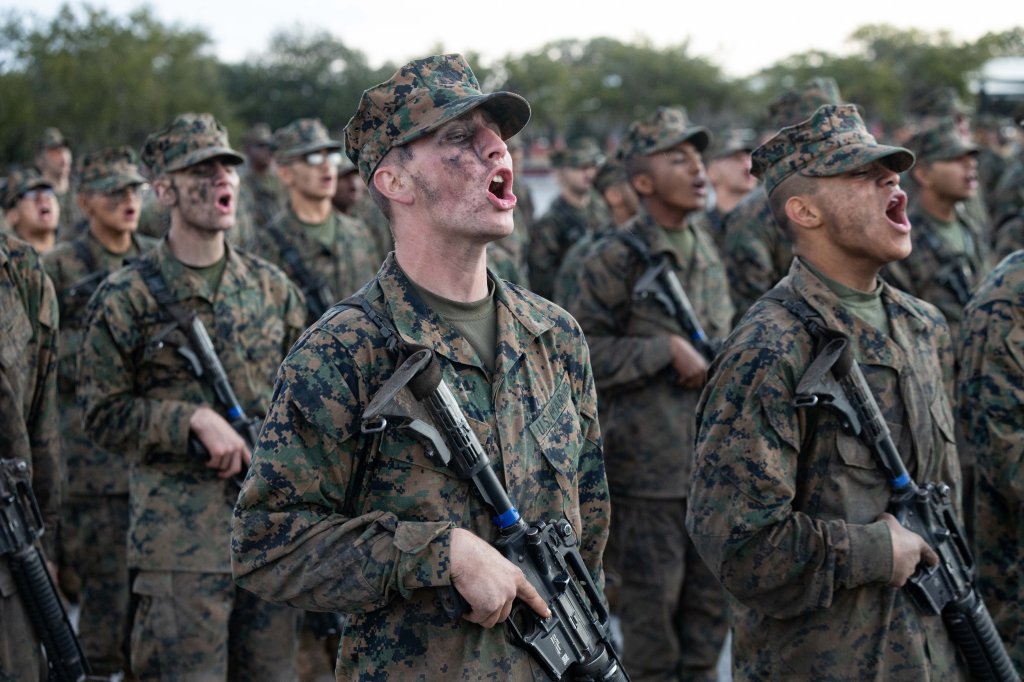
Despite environmental and geographic differences, the Marine Corps enforces a single, standardized training curriculum across both depots. Drill instructors are trained to the same expectations. Physical fitness standards are identical. Weapons qualification, field training, discipline, customs, and the Crucible follow the same syllabus.
There is no distinction on paper or in practice between a Marine trained at Parris Island and one trained at San Diego. The Corps does not adjust expectations based on weather, terrain, or location. A recruit either meets the standard or does not. When the Eagle, Globe, and Anchor is placed into a Marine’s hands, it carries the same meaning, regardless of where it was earned.
Why the Marine Corps Has Two Recruit Depots
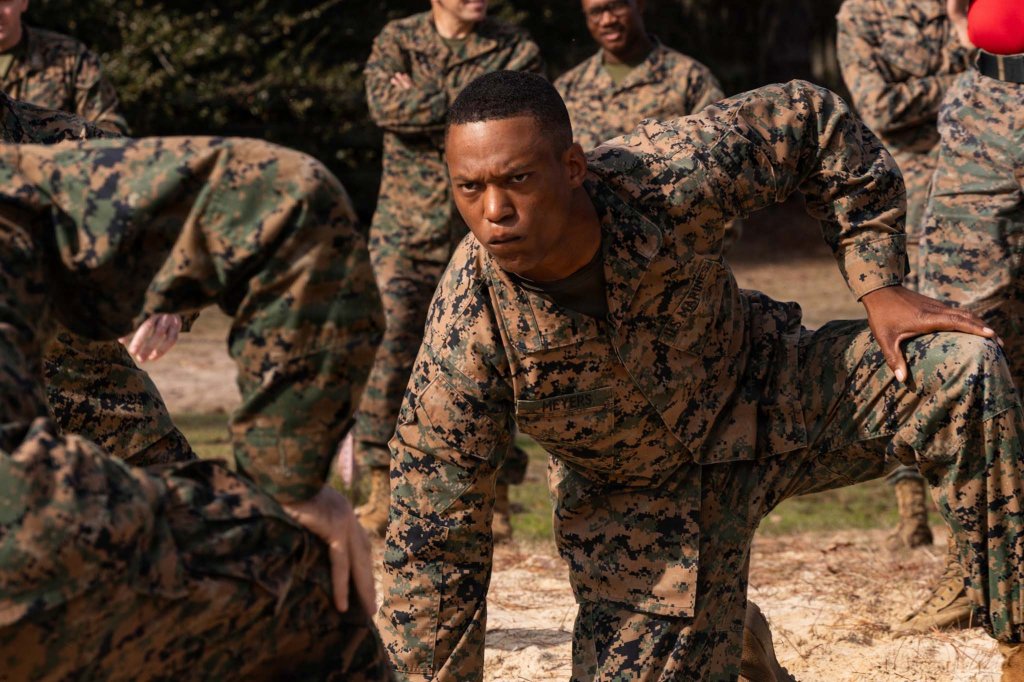
The existence of two recruit depots is rooted in practicality and growth. As the United States expanded and transportation networks developed, the Marine Corps needed an efficient system to process recruits from across the nation. Dividing training responsibilities geographically allowed the Corps to manage large numbers while maintaining consistency.
Recruits west of the Mississippi River report to San Diego, while those from the East report to Parris Island. Over time, this division became tradition, reinforced by regional pride and shared experience. Both depots have continually modernized, incorporating new training methods, updated facilities, and evolving standards while preserving the discipline and structure that define Marine boot camp.
A Rivalry Builds Unity, Not Division
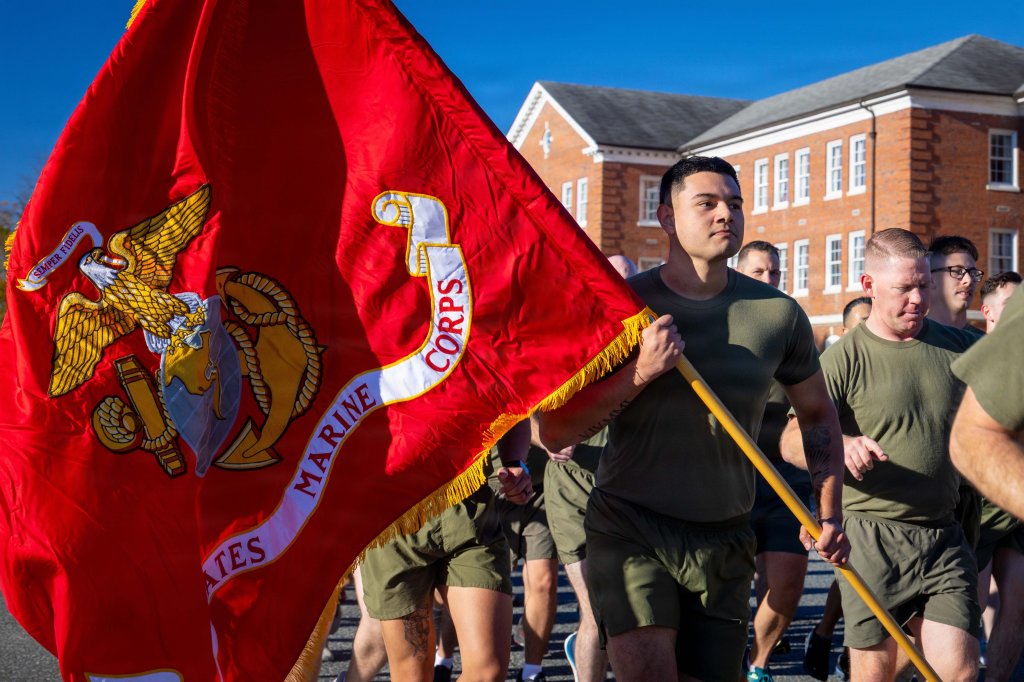
The rivalry between Parris Island and San Diego Marines is not rooted in competition for superiority, but in pride of experience. It lives in barracks stories, reunion conversations, and jokes passed down through generations. Each side claims their environment was harsher, their struggle greater, and their path tougher.
Related: ‘The Few. The Proud:’ The Moments that made the Marines the Marines
Yet when Marines serve together, deploy together, and face adversity together, those distinctions vanish. What remains is shared identity, mutual respect, and commitment to something larger than any single training location.
In the end, whether a Hollywood Marine or Parris Island Marine, the title carries the same weight. Under the banner of the United States Marine Corps, there are many paths to earning the Eagle, Globe, and Anchor—but only one standard, and only one name worth carrying: Marine.
The Marine Corps Educators Workshop 2026
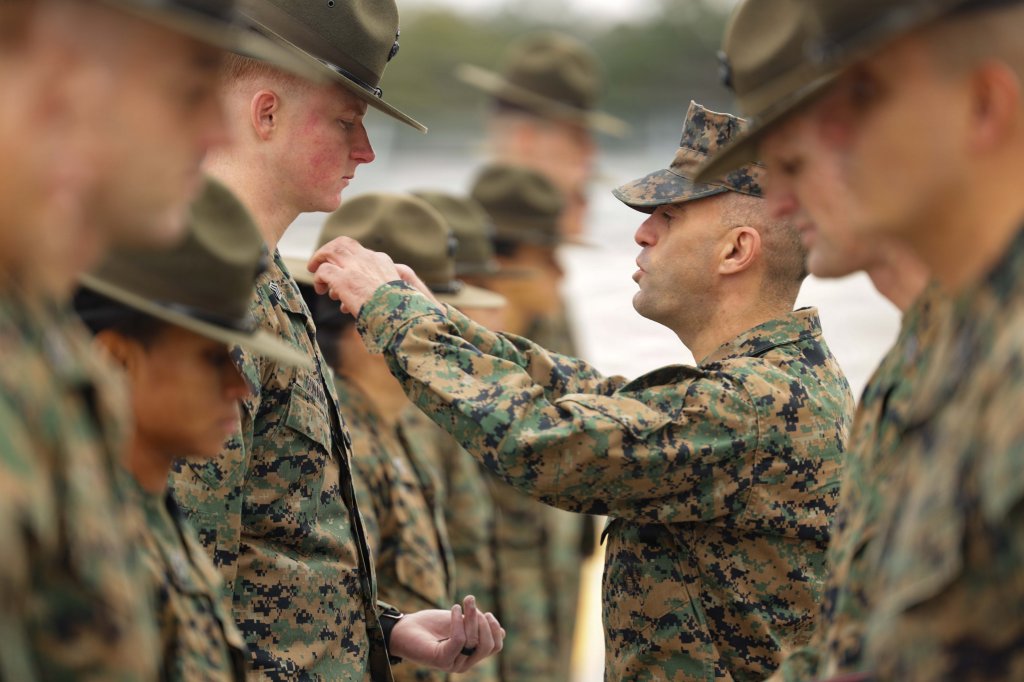
In January 2026, I will have the honor of attending the United States Marine Corps Educators Workshop (EWS), an all-expenses-paid, weeklong immersive program designed for high school and college educators. The workshop will provide educators with firsthand exposure to the Marine Corps’ training pipeline so we can better understand, explain, and contextualize what it truly means to become a Marine.
As an educator (and as someone whose life has been shaped by the values of the Marine Corps), this opportunity carries deep personal and professional meaning. It offers a chance to reconnect with the institution, examine its traditions through a historical lens, and bring that understanding back into the classroom. It also provides the perfect lens through which to explore one of the Corps’ most enduring cultural narratives: the rivalry and shared identity forged at its two recruit depots, Parris Island and San Diego.
In the United States Marine Corps, boot camp is not simply a training program. It is a controlled crucible designed to dismantle civilian habits and rebuild individuals into Marines who embody discipline, resilience, and absolute commitment. From the first shouted command to the final moment when a recruit earns the Eagle, Globe, and Anchor, the process is deliberate and unforgiving. Yet within this shared experience, one distinction has fueled generations of storytelling, pride, and rivalry: whether a Marine was forged at Parris Island or San Diego.
This rivalry, often framed as “Hollywood Marines” versus Parris Island Marines, is one of the most enduring traditions in the Corps. It is sustained not by differences in standards or expectations, but by the contrasting environments and histories of the two recruit depots. Though the paths differ, the destination is identical. The Marine Corps demands one standard, one identity, and one title.