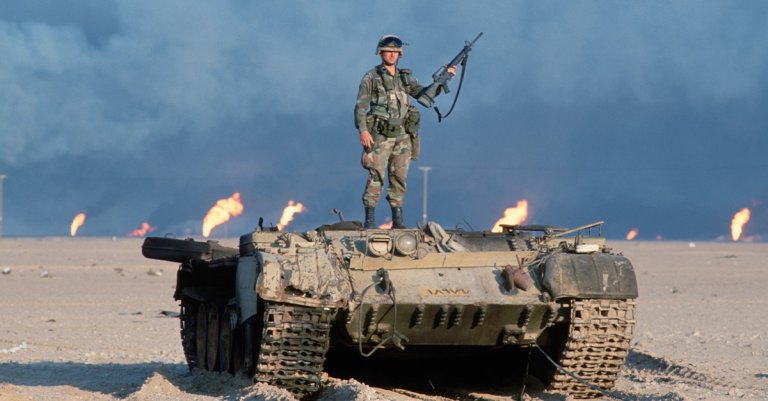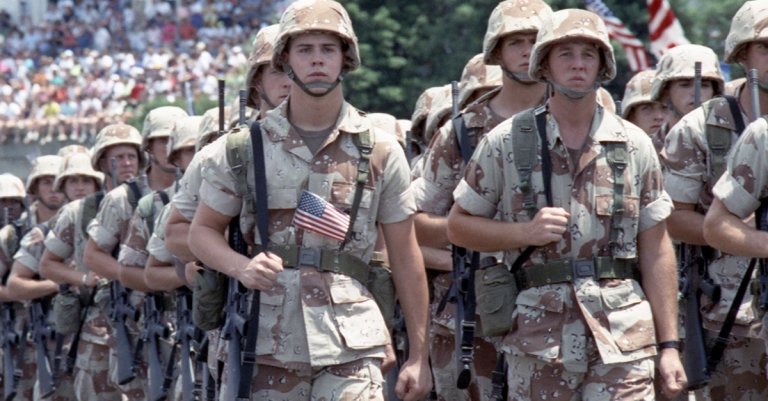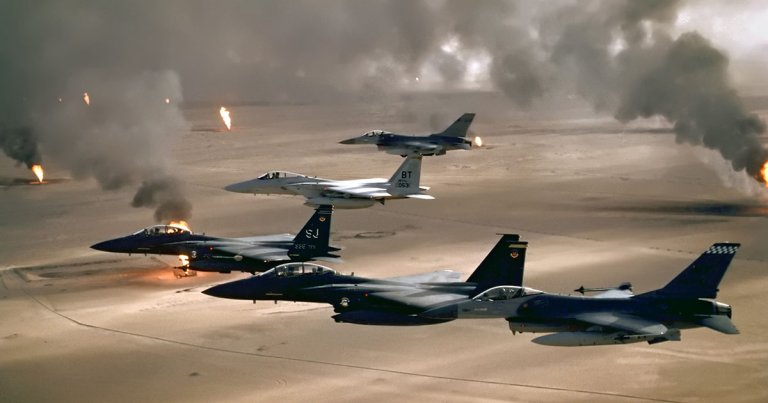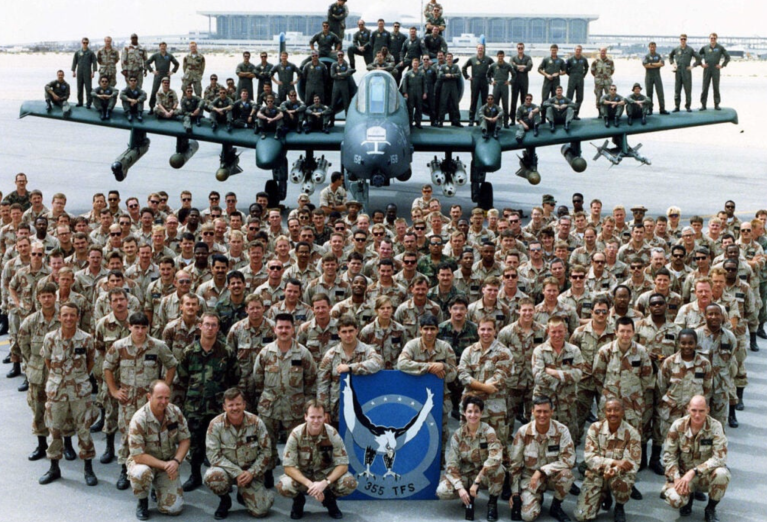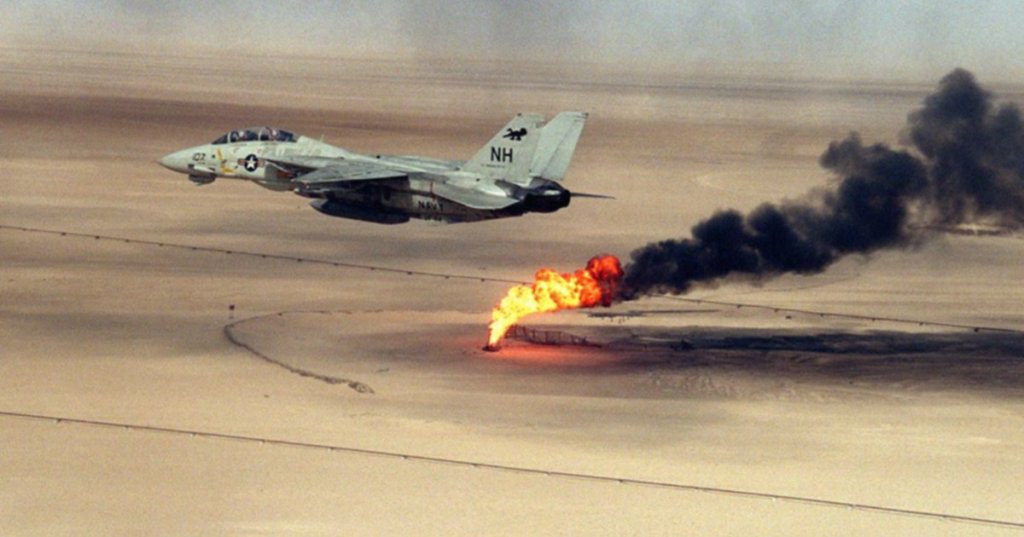
August 2nd marks the 35th anniversary of Saddam Hussein’s 1990 invasion of Kuwait, and therefore the beginning of Operation Desert Shield, which would later fall under the umbrella of the overall “Gulf War.” Marked by deliberate strategic planning that evolved out of the post-Vietnam national malaise, what ensued was an undeniable typhoon of steel, manpower, and accurately directed coalition rage. It represented a definitive end to the preceding decades of the Cold War and the beginning of an unquestioned unipolar world governed by pure American hegemony.
The lessons of the Gulf War, seemingly long forgotten by both armchair historians and key strategic decision makers alike, represent a near idyllic vision for how to fight (and win) America’s wars. These lessons are timeless, and senior American leaders would be wise to apply them to all future fights.
While the engagement resulted in a decisive anti-Saddam coalition victory guided by a confluence of fortuitous circumstances, this did not happen in a vacuum. A deliberate military buildup throughout the 1980s, the establishment of a clear and feasible political objective, effective diplomatic efforts to build a strong coalition, and the lack of a serious near-peer competitor behind the scenes all paved the way for rapid success.
With the subsequent 2003 invasion of Iraq (and the overarching Global War on Terror), the Gulf War is often sadly relegated to the dustbin of military history. And while 2003 could mark a failure to exploit the catastrophic success of Desert Storm in 1991, what it actually shows is the failure to apply the same lessons learned the second time around.
A Clear Political Objective
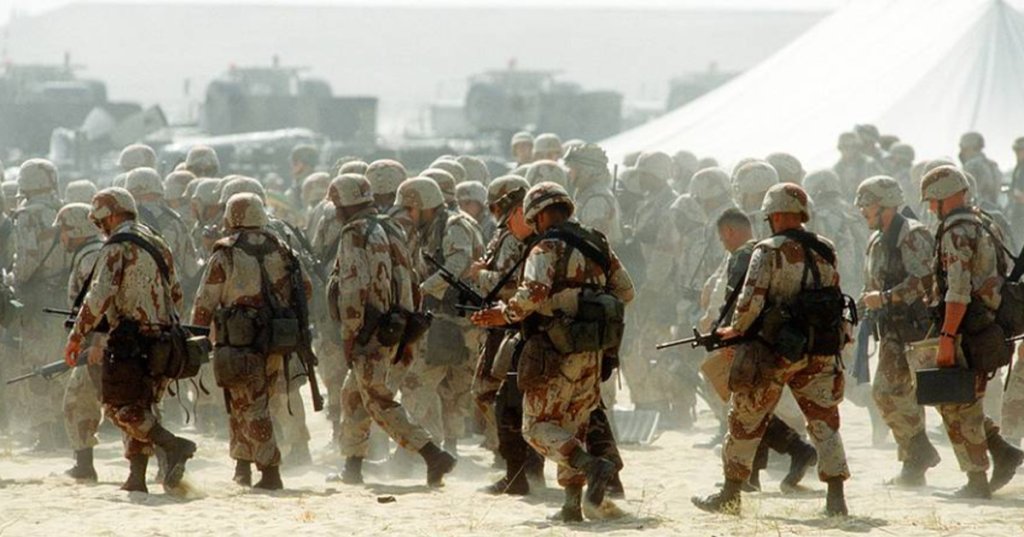
A question that would plague think tanks for years to come was “How far do we take this?” After all, what was success supposed to look like? Many advocated that Desert Storm did not go far enough because it did not remove Saddam Hussein from power. This question is low-hanging fruit, given that only 12 years later, the decision would be made to indeed go all the way and remove Saddam Hussein and his Iraqi Baath party from the face of the Earth.
But President George H.W. Bush knew that was not the path to victory in 1990-1991. Early on, clear political objectives were established: to remove Iraqi forces from Kuwait and reestablish Kuwaiti sovereignty and governance. This was still asking a lot in 1990, when Iraq’s army was the fourth-largest in the world and considered a premier fighting force. But it established a palatable political objective that could be achieved through diplomatic, information, economic, and, as needed, military instruments of national power.
As Clausewitz long ago posited, after all, “War is nothing but a continuation of politics.” While most Americans tend to view war near exclusively through the near or total capitulation model of the Civil War, World War I, and World War II, these types of conflicts are actually more aberrations in history rather than the norm. Most wars have ended with negotiated settlements after one or all sides have had their fill, or can claim some semblance of achieving their political objectives.
Coalition Building
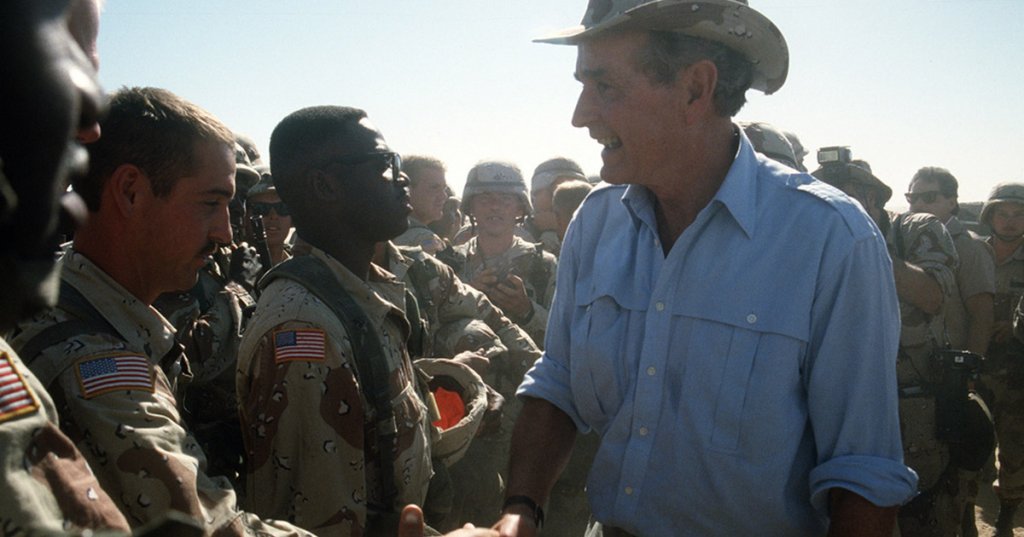
Saddam Hussein, fresh off a decade-long war with neighboring Iran, had unsurprisingly begun to upset his neighbors. Invading Kuwait meant he was beating on Saudi Arabia’s doorstep, and the Kingdom was understandably nervous about the seemingly unhinged dictator next door. Once Kuwait was under Iraqi occupation, roughly 20% of the world’s oil output was under Hussein’s control, elevating the war from a regional issue to a global one.
If the United States was going to take the lead in repelling this threat, it would need a coalition of the willing to expel it. What the Bush administration subsequently accomplished toward this goal was elite statesmanship. If Hussein had any hopes of rallying an axis of Arab partners motivated by ethnic or religious sensibilities, it was squashed early on.
Even attempts to launch SCUD missiles at Israel in the hopes of igniting an ideological firestorm to his side of the conflict would ultimately fail to galvanize any real support. The Gulf states instead understood the risk he posed and immediately offered their support to the U.S.-led coalition. Even Syria, the only other subscriber to the pan-Arabic socialist Baath school of politics, turned its tanks on the Iraqis.
The American home front also required tremendous political maneuvering in order to turn this vision into a reality. President Bush used the time between August 1990 and January 1991 to build support for this righteous cause, but it did not come with the near-unanimous contemporary support that his son would see in the immediate aftermath of the September 11th Attacks. Congress, as a representative force of the American population, ultimately gave President Bush the popular support he needed to prosecute the war, though it was not universal. The House of Representatives voted 250 to 183, and later the Senate voted 52 to 47, in favor of authorizing the use of military force.
Tacit Soviet Support
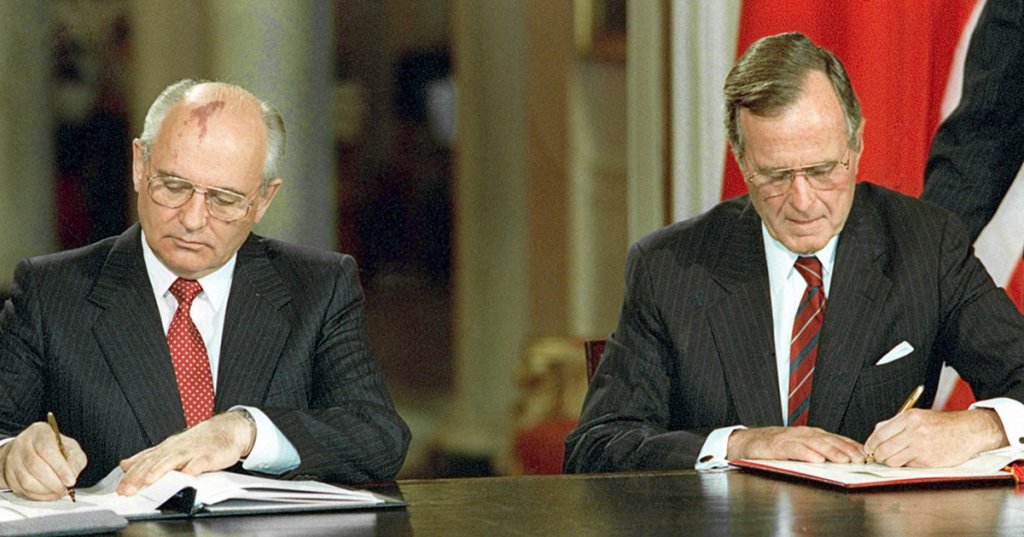
A major factor that cannot be overstated in the success of the Gulf War was the lack of a global superpower to subvert American interests (as had been the case in Vietnam). The Soviet Union, while in its death throes, offered no significant roadblocks to an American-led effort to oust Hussein from Kuwait.
Without the threat of the USSR undermining the effort to oust Iraq from Kuwait or providing Hussein with funds, equipment, or even direct military support, the path was clear for American and partner forces to proceed with clear conviction. Truly, Saddam Hussein was more isolated than he thought he would be in this endeavour.
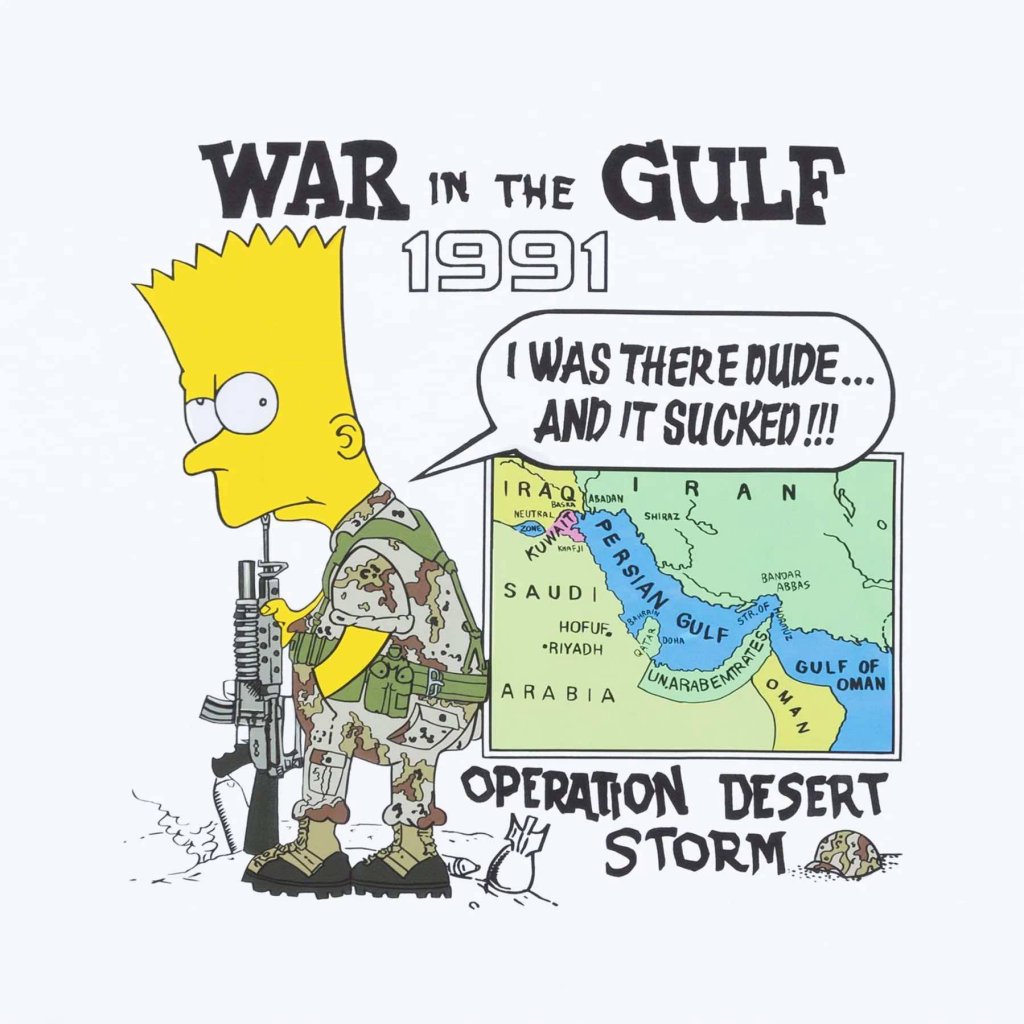
What should we take away from this conflict? It represented a modern way of American warfare, enabled by precision munitions, a lopsided technological advantage, and overwhelming force derived from a popular and near-uncontested coalition of combined joint international partners.
But perhaps more importantly, it stemmed from the establishment of clearly established and feasible political objectives. Once the Iraqi army was expelled by force after a sustained air campaign and a 100-hour ground war, senior leaders recognized that the objectives were met, and thus forces were able to exfiltrate in victory.
Other troubled military campaigns of the 20th and 21st centuries have conversely been marked by the opposite: ill-defined objectives (such as nation-building and counterinsurgency), lack of popular support, and contention with both regional and global near-peer competitors to muddy the waters. The Gulf War marks a successful chapter in U.S. military strategy that should be emulated at all costs for future wars.