
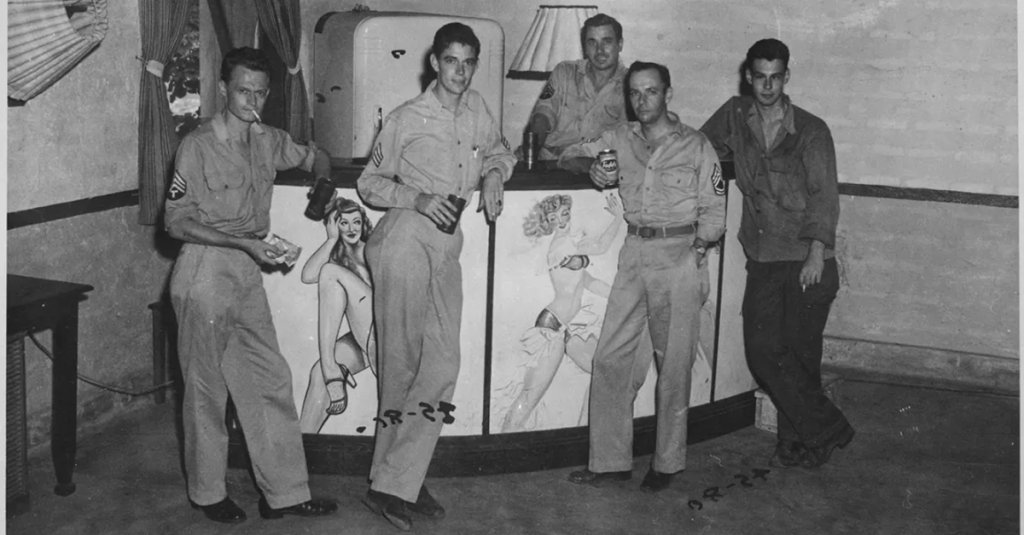
Young Americans stationed in military operations are more vulnerable not only to war risks but also tobacco addiction and illness. Tobacco usage has a negative impact on soldier health and preparedness, as well as increasing health-care and training costs.
Despite military tobacco control initiatives dating to the 1980s, tobacco usage remains prevalent. Tobacco corporations provided complimentary cigarettes to troops, which was occasionally criticized—perhaps not as frequently as it should have been.
Also Read: This could be the origin of the ‘lucky cigarette’
These businesses were benefactors. Viewing tobacco use as a positive thing is something that undermines the military’s health priorities for its troops.
During the First Gulf War, the number of smokers serving in the United States Navy and Air Force increased. Before the war, those who smoked tobacco boosted their consumption, allowing tobacco corporations to prosper.
This, however, was not the first time tobacco companies targeted the military with their products. Since World War I, cigarettes and tobacco have become a major part of military life.
Tobacco Gifts
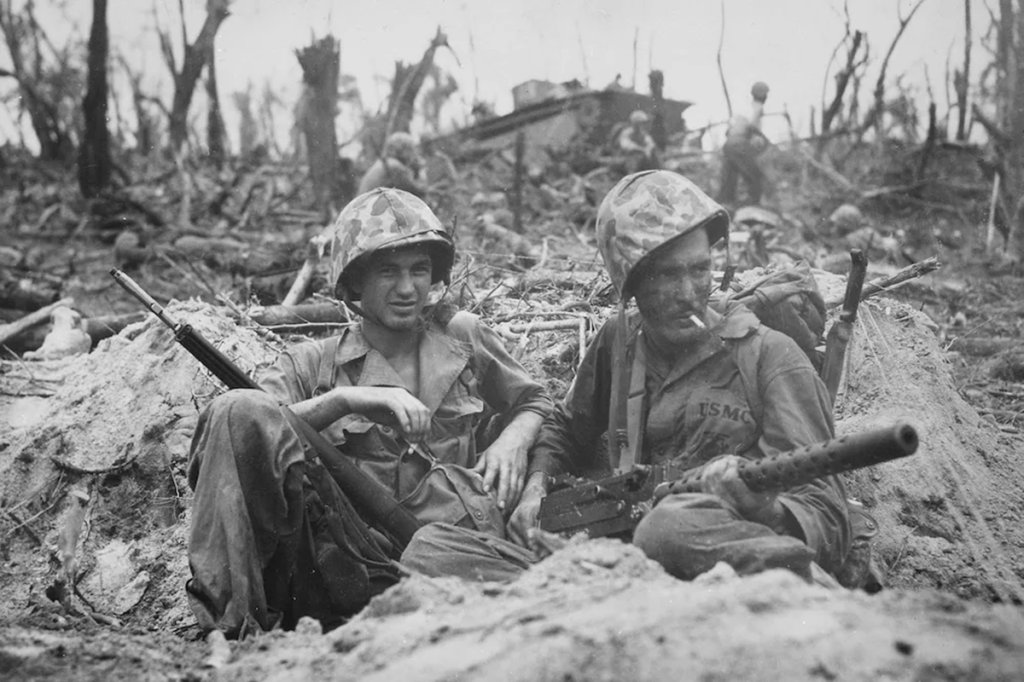
Military officers were normally granted a few departure presents before leaving for overseas duty, which almost always consisted of cigarettes.
The most common brands that were given as farewell gifts were the Three Castles Cigarettes. In addition, soldiers received the brand as part of rations. Sometimes, charitable organizations such as the Red Cross Society brought them in, too.
While tobacco use is harmful, the soldiers viewed it as essential. In the service members’ mind, it helped them cope with the difficulties that came with war.
If a soldier received a packet of Three Castles Cigarettes from his loved ones, he accepted it with a warm heart. When he smoked them, he reminisced about his family or friends left behind, which kept him going even during tough times.
Perhaps, that was why the military never banned tobacco use among troops.
Keeping the Fire Burning
Given the circumstance of war, it is not unusual to find soldiers getting cold feet before their field missions.
Troops discovered a great way of calming down their anxiety, though not the healthiest option on the table, and this was cigarette smoking. Helmar Turkish Cigarettes was another famous brand that charitable organizations often issued. Such brands conducted direct advertising through soldiers, but the military could not prohibit them from supplying since they acted as goodwill.
Furthermore, tobacco use for relaxation was far much better than employing narcotics.
Bull Durham, another renowned tobacco brand, frequently pushed its products to American soldiers and became known as the Army’s global cigarette. These commercials incorporate patriotism and the zeal with which soldiers live their lives into their sales pitches. Bull Durham advertisements were part of the reason the brand was so popular and preferred among many soldiers.
Even those at home often resolved to smoke the brand’s cigarettes in an attempt to feel what the front-liners were going through.
Chesterfield Cigarettes also became well-known as a result of their marketing, which showed military personnel on the front of the packet. The man depicted was from the 42nd Division, also referred to as the Rainbow Division, which was one of the initial American Expedition Forces divisions to land in Europe.
The poster featured a later form of the emblem made specially for the 42nd Division. Several other Army units and divisions serving in World War I embraced the rainbow theme as their battlefield colors, and service ribbons and medals also featured it.
Don’t Miss the Best of We Are The Mighty
• These crusader knights answered the call to fight World War I
• Kurt Vonnegut’s ‘Slaughterhouse-Five’ comes to life in a new Tralfamadore exhibit
• Mike Vining on Vietnam, Delta Force, and the sardines he never ate
Featured
Sponsored Content
Fuel to Serve: The mission starts at the meal

Loading comments…
Comments couldn’t be loaded. Please refresh the page.