If you’re looking for tips on how to shirk military service, you’re about 40-something years too late. And if you’re looking to dodge the draft, you’re probably not our target audience either.
For those unfamiliar with their civic duty, U.S. law says all male citizens of the United States and male immigrants (and bizarrely, illegal immigrants, too) have to register for the Selective Service System (SSS—also known as “The Draft”) within 30 days of their 18th birthday. You are not joining the military; you are registering with the government to be available when a draft would be necessary.
Related: 17 Wild facts about the Vietnam War
The U.S. first started drafting civilians during the Civil War. Back then, rich men had many other options open to them to avoid Civil War service. To dodge the Civil War draft, people could pay a less wealthy person to take their place in the draft, pay a crooked doctor to give them a bad health exam, or outright bribe draft officials.
The modern Selective Service system was established to raise an army to fight in Europe during World War I. It was used again from 1940 to 1947 to raise troops to fight World War II, and then again during the Korean War. Between the end of WWII and the Korean War, men could just be drafted to serve, regardless of the demands of a national emergency.
Marine Corps legend ‘Ripley at the Bridge’ is finally getting the Medal of Honor
John Ripley vs. 20,000 communists. Who you got?
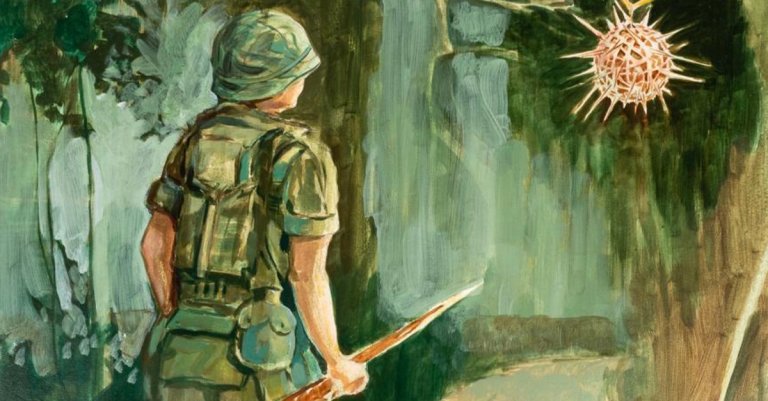
8 of the most terrifying Vietnam War booby traps
A full 15% of U.S. wounds in Vietnam were caused by VC booby traps.

Here’s what’s actually inside the nuclear football
It’s a communications terminal and handy guide.
After the Vietnam War, President Gerald Ford abolished the draft entirely in 1975, but President Carter established the Selective Service System in place today as a response to the potential threat posed by the Soviet invasion of Afghanistan. In 1969, before the current system, President Nixon established a draft lottery. The U.S. stopped drafting military-age males in 1973 when the military became an all-volunteer force, but not before an estimated half million people avoided conscription.
There were two kinds of methods to avoid being drafted when your number was called: illegal and legal. Those who received deferments (especially politicians and others who like to closely associate themselves with the military) will fervently argue that there is a distinct difference between the two. There were a few laws in place relevant to Selective Service meant to keep necessary men in their homes and with their families. Purposely pursuing a legal waiver or deferment for any reason is draft avoidance.
Those who could not meet the criteria for legal would mitigate their responsibilities by illegal means, this is called draft evasion—or more popularly known as “draft dodging.”
Here’s how they did it, and you could too (mostly… being gay doesn’t exempt you anymore).
1. Be a Conscientious Objector.
Jehovah’s Witnesses, Mennonites, the Amish, and Quakers are all considered “Peace Churches” and are opposed to any kind of military service. They were allowed to serve in other ways, however, but in a civilian capacity. Dishonest conscientious objection was (and still is) illegal.
You can still be awesome as an objector, by the way—the story of Desmond Doss is a testament to that. Clergymen and missionaries were also exempt from the draft, which is how Mitt Romney deferred while spending two years in France as a Mormon missionary.
2. Make up a health condition.
The military is surprisingly strict about the medical conditions of those it enlists, even if they really need the manpower. Gastritis, ulcers, hepatitis, and anemia are all common, treatable conditions the military will flat-out reject you for having. Diabetics are out, too.
If you don’t have one of these or you’re in perfect health, just make up a health problem! During the Vietnam draft, people would stay awake for days ahead of their medical screening, do a lot of illegal drugs, or otherwise make themselves appear generally unhealthy to avoid being drafted. Yes, President Donald Trump made up his bone spurs ailment to avoid the draft.
Ask Ted Nugent about doing meth and crapping his pants to dodge the draft.

3. Have children who need you.
Men with children and families who depend on those men for their livelihood are in a lower draft priority than single men or childless husbands.
4. Be a homosexual.
And if you’re not a homosexual, pretend to be! In the 1960s and 1970s, it was perfectly fine to both ask and tell. If men out to dodge the draft were afraid they wouldn’t be asked, they would wear women’s underwear to the medical exams.
5. Run away to Canada.
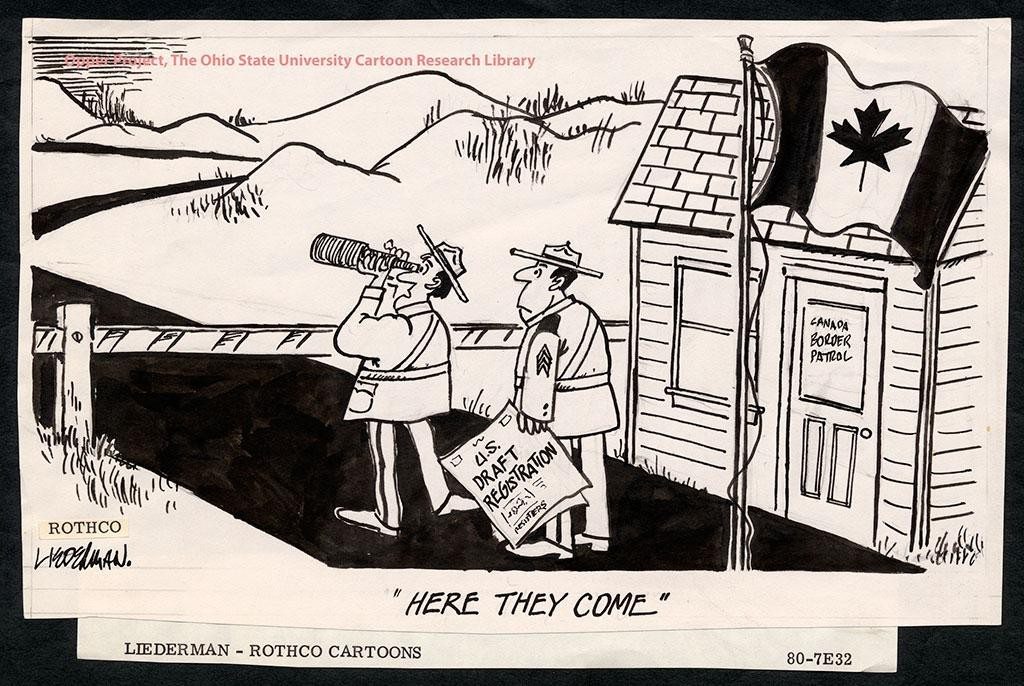
Upwards of 40,000 draft dodgers fled to Canada between 1965 and 1975. Many stayed in Canada after the war’s end, and some even stayed after President Carter pardoned them all on his first day in office. Those who stayed became Canadian citizens.
6. Go to college.
Student deferments were a very common way of beating the draft, though many students were really in school to be in school and not simply to avoid Vietnam. Notable examples of those receiving student deferments include Bill Clinton (one deferment), Joe Biden (five deferments), and Dick Cheney (also five deferments).
While a college deferment was very common, it is still a major point of contention for politicians seeking office today.
7. Have a high lottery number.
This isn’t a dodge, really. This is literally luck of the draw. Some 366 plastic capsules, each with a date of the year, were dumped in a large glass container, then drawn, opened, and assigned sequentially rising numbers. The first capsule was September 14. So all men born on that date, from 1944 through 1950, received the first priority for call to duty. This happened on live television.

The remaining capsules were drawn and assigned a number. A second lottery was also conducted for the 26 letters of the alphabet, to determine the order of priority (by last name) for each date. The highest draft number drawn was 195.
8. Hold an “essential” civilian job.
These are also known as “reserved occupations” and are so necessary to a country’s war effort, drafting its workers is illegal. The jobs cannot be done by others and cannot be completely abandoned, but those men were required to continue working those jobs.
9. Get married.
In 1965, President Lyndon B. Johnson changed the draft law to allow married males to be drafted if they didn’t have children. Before August 26, 1965, however, getting hitched was a Get Out of Vietnam Free card. Johnson quietly changed the rules to keep up with the demands of the war. Before then, hundreds of couples on the West Coast ended up in sudden marriages to avoid serving.
10. Forge military ID or reserve papers.
Some men in Northern states formed groups that made fraudulent National Guard or Reserve papers, identifying men who bore them as having already enlisted. For upwards of $5000, men could acquire these papers and take them to the local draft board to be relieved of their obligation.
11. Or, you know, just enlist in the branch you want.
Even during the Vietnam War, men received credit for serving. If you completed a military service obligation, you couldn’t be forced to re-enter the military. If you were called up to be drafted, you could avoid it by enlisting and choosing your service.

Failing to register for the draft could (and still does) mean ineligibility to hold a government job, the inability to apply for student loans through the Department of Education, and it’s a condition of citizenship for immigrants who arrived before their 26th birthday. It’s also punishable by a $250,000 fine and up to five years imprisonment, among other consequences.
So it’s a good idea to register. The U.S. is unlikely to have a war which requires national conscription anytime soon and there hasn’t been a real draft since the last days of the Vietnam War.
If you couldn’t remember any of these tips, you could just learn the words to Phil Ochs’ “Draft Dodger Rag.”

Phil Ochs Draft Dodger Rag
Don’t Miss the Best of We Are The Mighty
• 4 creepy ghost stories from the Vietnam War
• The real story of Jane Fonda and the Vietnam vets who hate her
• How US soldiers transformed cargo vehicles into fighting machines in Vietnam