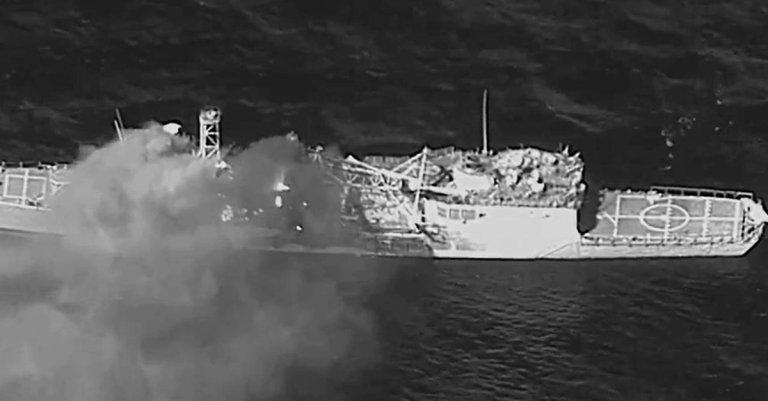
Just off the western shoreline of Staten Island, on a body of water called the Arthur Kill, is the graveyard for a ship that deserved much better. It only served for 22 months in combat: the keel was laid in October 1943, and it was decommissioned in February 1946. The vessel received no name other than “PC-1264,” even though it remains an important part of U.S. Navy history.
The ship served as a submarine chaser in the North Atlantic, hunting for Nazi wolf packs. Its crew was one of only two in the entire American fleet to feature a mostly-Black enlisted crew, at a time when Black sailors were usually working in the mess.
Related: The only all-Black special operations Army unit kicked serious ass in Korea
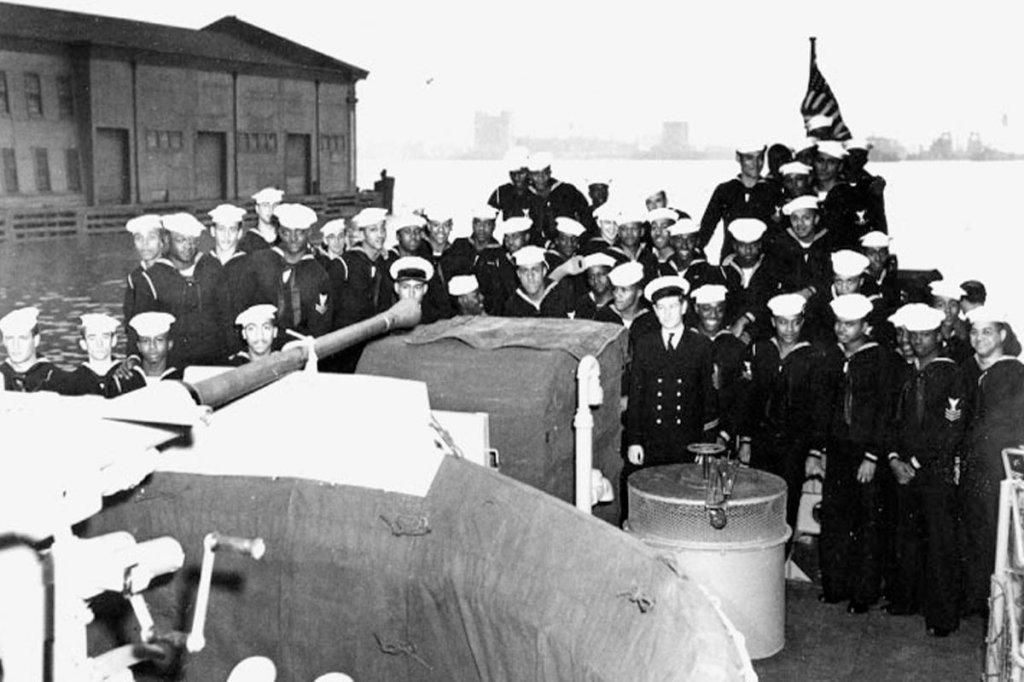
PC 1264 had come a long way from the day President Franklin Roosevelt wrote a memo to the Navy Department that led to the manning of the ship. FDR concluded, despite the anticipated backlash, that Black sailors could serve in the Navy other than as messmen. He suggested that the Navy allow them to serve on the line and ordered such on April 7, 1942.
It was initially manned with 53 Black sailors under the command of a white officer, Lt. Eric Purdon. Several incidents, both good and bad, followed the ship early on. After traveling up the Hudson River to load ammunition at Iona Island, Lt. Purdon had trouble getting permission to dock with the ship’s load. In a last shot, they requested permission from the U.S. Military Academy at West Point. Not only were they allowed to dock, but West Point also opened its doors to the crew, providing buses and even tours to the sailors.
The ship sailed south to Miami to the then-Submarine Chaser Training Center. There, the harassment included long inspections of the returning sailors’ identification cards when coming back on base (by white civilian guards). It was even rumored that there was a plan to shoot up the ship. Another chaser crew (of white sailors) overheard the threat, armed themselves, and stood at the gate, backing off the civilian guards.
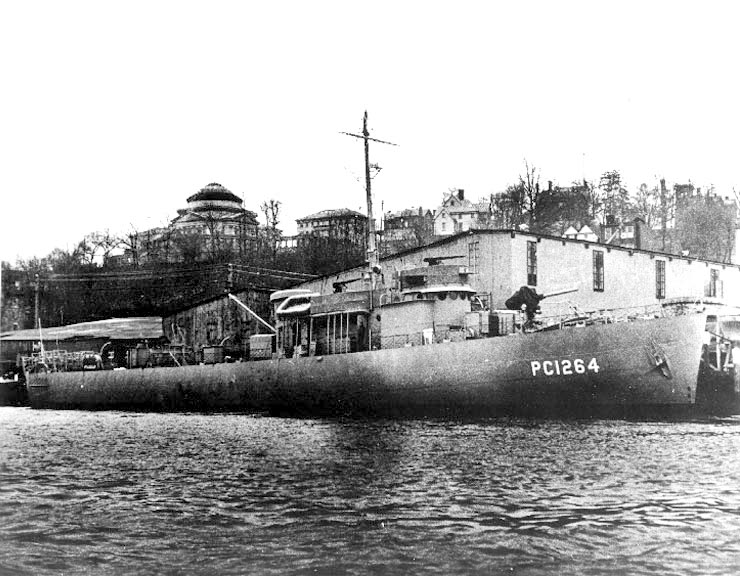
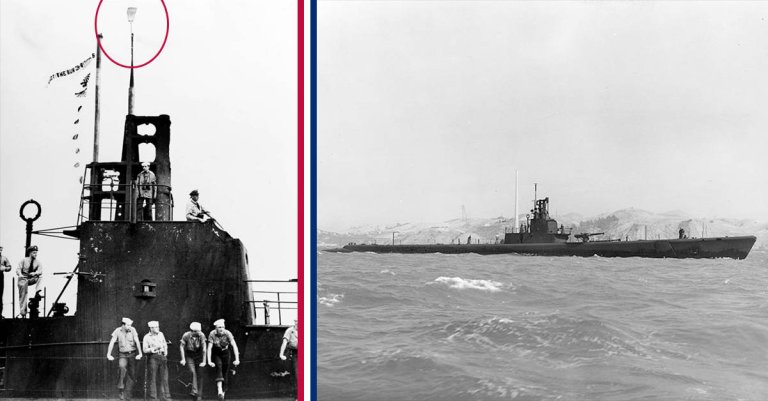
PC-1264 began serving escort duty in 1944 and provided escorts to shipping. This mission included protecting the French submarine Argo to prevent it from being confused with a German U-boat. When a spy revealed the German plan to use U-boats to launch V-1 and V-2 rockets at the ports of the United States in January 1945, it was PC-1264 that ran patrols from New York to Virginia, protecting these ports and American shipping.
While making an anti-submarine run against a North Atlantic buoy, the crew spotted a submarine conning tower. PC-1264 engaged U-866 after a chase near Buoy Able in February of 1945. It was a common tactic for German submarines to hide out under buoys as the Allies developed sonar. PC-1264 wounded U-boat 866, and the boat was later confirmed sunk by another anti-submarine attack.
In May 1945, a new officer reported aboard the ship to serve as second in command. Ensign Samuel Gravely, a Black officer from Richmond, Virginia, would eventually become the skipper of the vessel, but that didn’t end discrimination. While in Miami, the Shore Patrol detained Ens. Gravely, believing he was impersonating an officer.
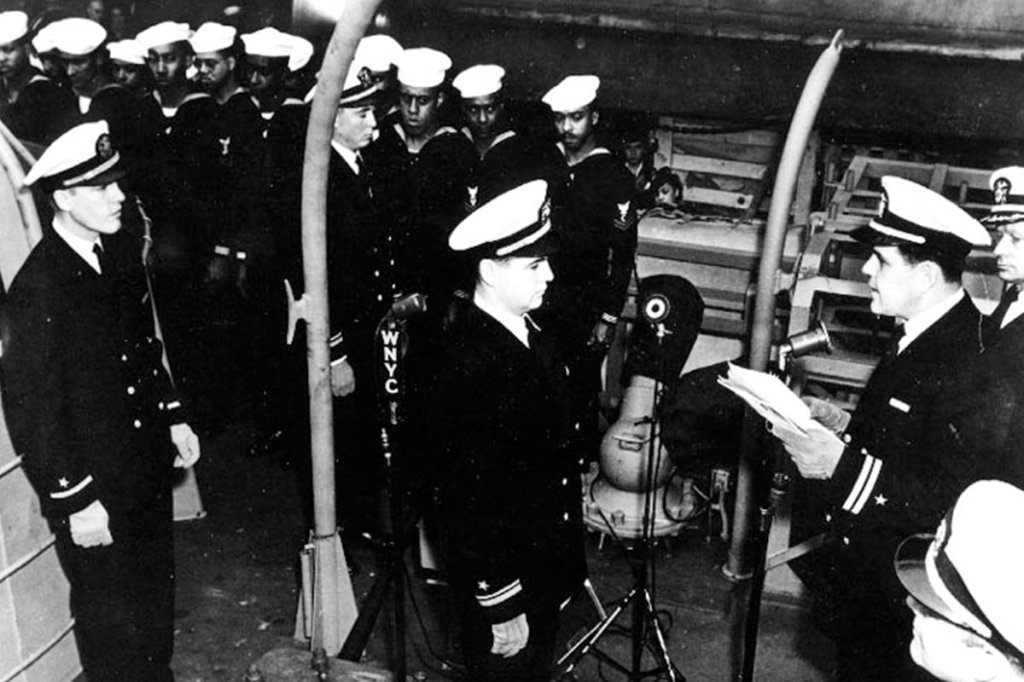
His crew came to his defense in a heated confrontation. Once it was clear that he was, in fact, a U.S. Navy Officer, the Shore Patrol backed down. However, the base Admiral demanded that the white CO Purdon court-martial the Black enlisted sailors who had come to Gravely’s defense. Lieutenant Purdon, citing his authority as a commander of a line ship, refused to do so, and PC-1264 left for sea shortly thereafter.
Ensign Gravely had the final task of commanding the ship, then with its full complement of Black sailors, to its decommissioning and transfer to the Arthur Kill graveyard off of Staten Island. Gravely went on to a successful Navy career, retiring as a vice admiral. PC-1264 sits, today, in the mud until the wind, rain, and rust cause her to disappear below the water line.