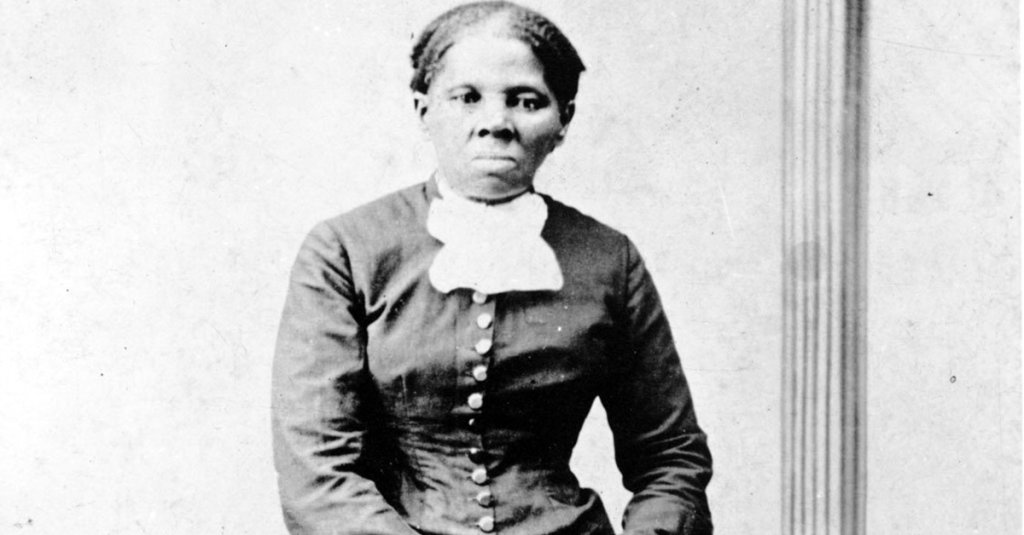
While women were not allowed to fight for the Union or Confederacy during the Civil War, no one said they couldn’t spy. Not content to remain behind and perform work at home and far from the front lines, these women risked their lives to gather vital intelligence.
While a rough estimate of the number of female spies during the Civil War is unknown, it is safe to say that most did the job just as well as men. Sometimes, these women flirted to get what they wanted; in other cases, they devised more ingenious methods. Their names are mostly lost to history, but we are aware of some of their exploits.
Related: 11 American spies who did the worst damage to the US military
Harriet Tubman remains the most well-known female spy during the Civil War. While Tubman is remembered primarily for rescuing about 70 family and friends from slavery via the Underground Railroad, she was also involved in other covert operations. She formed a spy network of former slaves and was the first woman to lead a U.S. military operation, a night raid to free slaves in South Carolina.
Tubman’s spy work and her knowledge of the location of hidden underwater mines proved vital in the Union’s victory. Other women, though, also took tremendous risks in helping defeat the Confederacy.that hundreds of women flirted and tricked soldiers into giving up key information.
The Actress Who Became a Spy
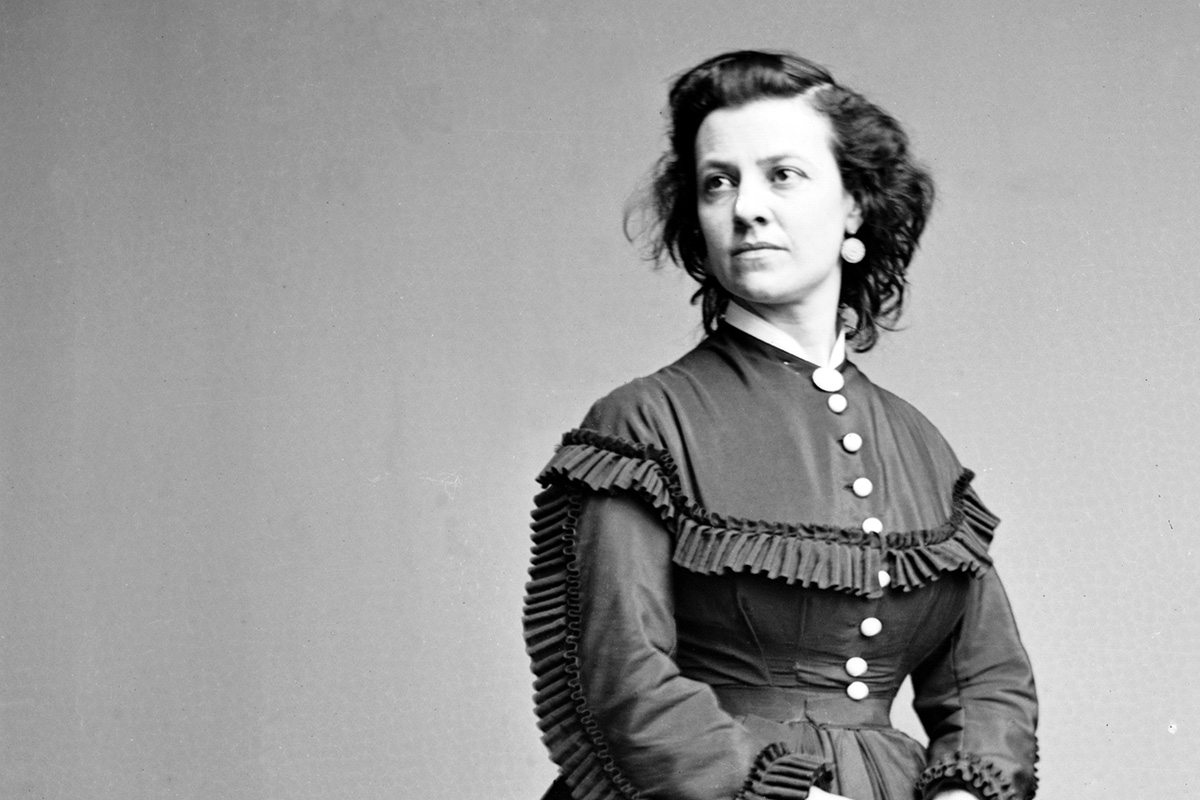
The Confederates made a huge mistake when they asked Pauline Cushman to toast their president, Jefferson Davis. In 1863, the struggling actress was performing in Kentucky when that request was made. Instead of immediately agreeing to it, Cushman approached a Union official. He told her to go through with the toast, then come back to see him.
While performing the toast cost Cushman her acting gig, she wasn’t unemployed for long. The Union saw potential in Cushman as a spy, and she was soon tasked with gathering intel for the Army of the Cumberland. During her undercover work, she sometimes dressed as a man. Whatever her tactics, they proved awfully effective; she learned the identities of Confederate spies and served as a courier before the Confederates latched on and arrested her. Cushman was scheduled to be hanged in Shelbyville, Tennessee, but she contracted typhoid fever before her scheduled execution. Normally, a serious illness is not associated with good luck, but in Cushman’s case, she fell into poor health at a most opportune time. Her hanging was postponed while she recovered, and that gave Union troops enough time to force Confederate troops out of the area.
Cushman’s life was spared, and she went on to receive the honorary rank of major after the Civil War.
The Women Whose Spy Ring Fooled Jefferson Davis

HER STORY: Union Spies
If Cushman took tremendous risks to aid the Union, so did Elizabeth Van Lew and Mary Richards Bowser.
Bowser was actually enslaved on the Van Lews’ plantation in Virginia. After her husband’s death, Van Lew’s mother (a staunch abolitionist, as was her daughter Elizabeth) secretly freed their slaves, and Elizabeth sent Bowser to school in Philadelphia.
Nicknamed “Crazy Bett,” Elizabeth Van Lew and her mother were known to bring food, medicine and other resources to imprisoned Union soldiers, but that’s not all they did. During those visits, Van Lew would hide messages and escape plans via invisible ink and inside eggs or vegetables.
Van Lew did not stop there. She recruited spies, both male and female, to aid her abolitionist mission, and few proved as useful as Bowser, who posed as a servant for Confederate President Jefferson Davis. While gaining Davis’ trust, Bowser was also passing along intimate details that the Union could use against the rebels.
The Confederate Spy Who Killed a Union Soldier
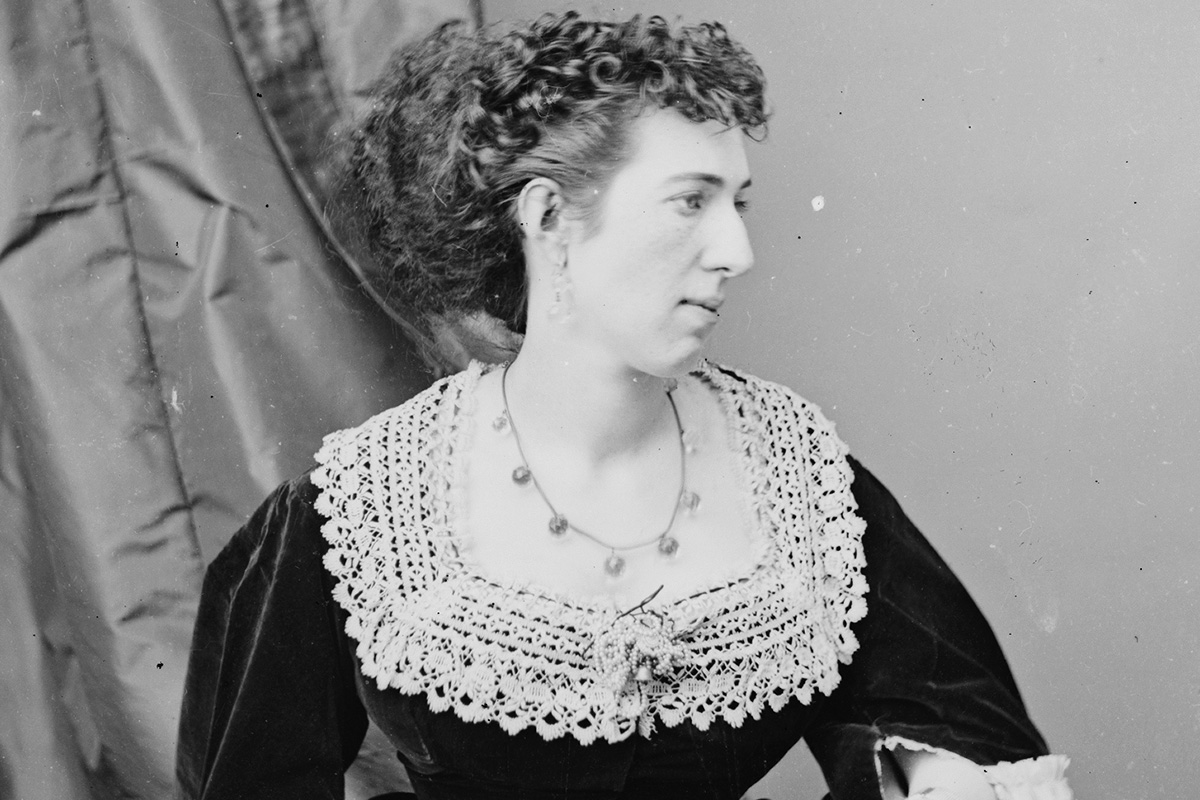
The Confederacy had their share of female spies, too.
None was perhaps more infamous than Maria “Belle” Boyd. If Van Lew was firmly against slavery, Boyd was a fervent secessionist, and her views, like her temper, never bubbled far from the surface. She was 17 years old when she shot an inebriated Union soldier to death after he reportedly used foul language in addressing Boyd and her mother.
“I could stand it no longer… we ladies were obliged to go armed in order to protect ourselves as best we might from insult and outrage,” Boyd recalled after the war.
After Boyd was not charged with any crime, she became a Confederate spy (and a relentless one, at that). She spied on Union officers who had taken over a hotel in Virginia in 1862, eavesdropping through a hole. Nothing apparently was too risky for Boyd, who is believed to have penetrated enemy lines to provide critical intel to Confederate leaders. She even stole Union weapons to give them to the rebels, according to an article by Tianna Mobley for the White House Historical Association.
The Spy from High Society
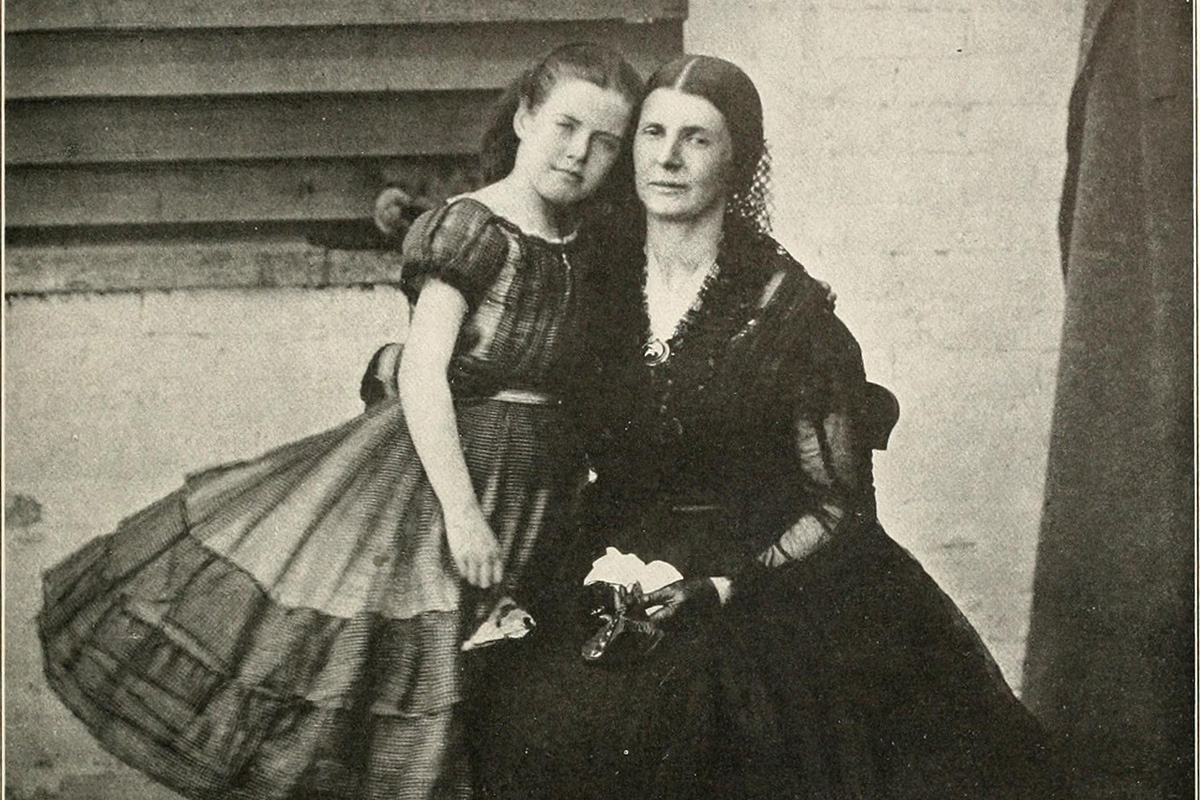
Just like Boyd, Rose O’Neal Greenhow was similarly passionate about helping the Confederacy secure its freedom.
Greenhow was part of high society in Washington, D.C., when she became a spy. Like so many in espionage, Greenhow was quite creative in the methods by which she delivered secrets to the rebels. Whether it was using a fan to send a message by Morse code or hiding one in a female courier’s hair, Greenhow was nothing if not inventive. She had a lot of help as well. Greenhow’s interstate espionage network included 50 spies, including 48 women.
After Greenhow was discovered and placed under house arrest, she still continued to pass along information to the Confederates. Jefferson Davis held Greenhow in such high regard that he sent her to Europe to whip up support for their cause.
On Greenhow’s return to the South, a Union gunboat chased the vessel that was carrying the notable spy. Greenhow’s boat ran aground, and when she tried to flee on a rowboat, it capsized. Greenhow drowned, likely weighed down by the $2,000 worth of gold she was bringing to the Confederacy.
Sometimes, spying just doesn’t pay.