
Chester Bowles did not feel well on March 6, 1967.
Bowles, the United States ambassador to India, was home battling the flu when his phone rang. The caller informed Bowles that a Russian woman arrived at the embassy that evening and sought asylum. Not only that, but she claimed she was Joseph Stalin’s daughter.
Also Read: The United States created rules for encountering a Yeti during the Cold War
“I don’t think Stalin has a daughter,” the ambassador responded.
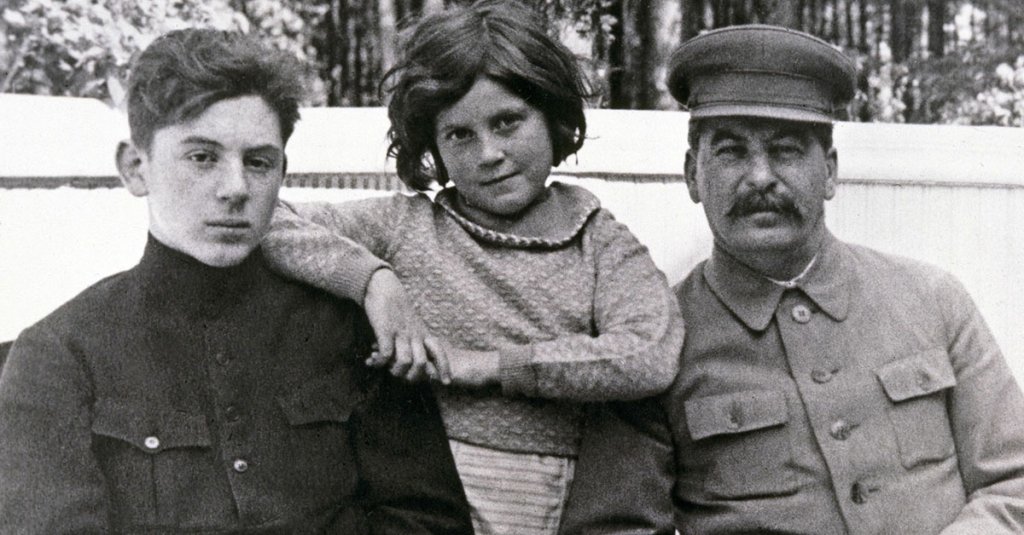
Bowles was mistaken. Svetlana Alliluyeva existed, all right, and she was not lying. The only daughter of Stalin—whose iron-fisted rule of the Soviet Union lasted a quarter-century before his death in 1953—wanted to defect to the U.S., leaving Bowles and his staff scrambling about what to do next.
Seeking to buy time, they asked Alliluyeva to explain her decision in writing. While the 41-year-old woman crafted a detailed explanation, Bowles cabled Secretary of State Dean Rusk and asked for guidance. If none came by midnight local time, Bowles intended to put her on a plane to Rome.
Rusk did not meet the deadline.
“I felt that going back to Moscow, going back to my usual Soviet life would be a kind of suicide for myself,” Alliluyeva, whose previous request for asylum in India was denied, said in a 1969 BBC interview. “I wouldn’t be able to continue the same life there.”
“Doing the Right Thing”
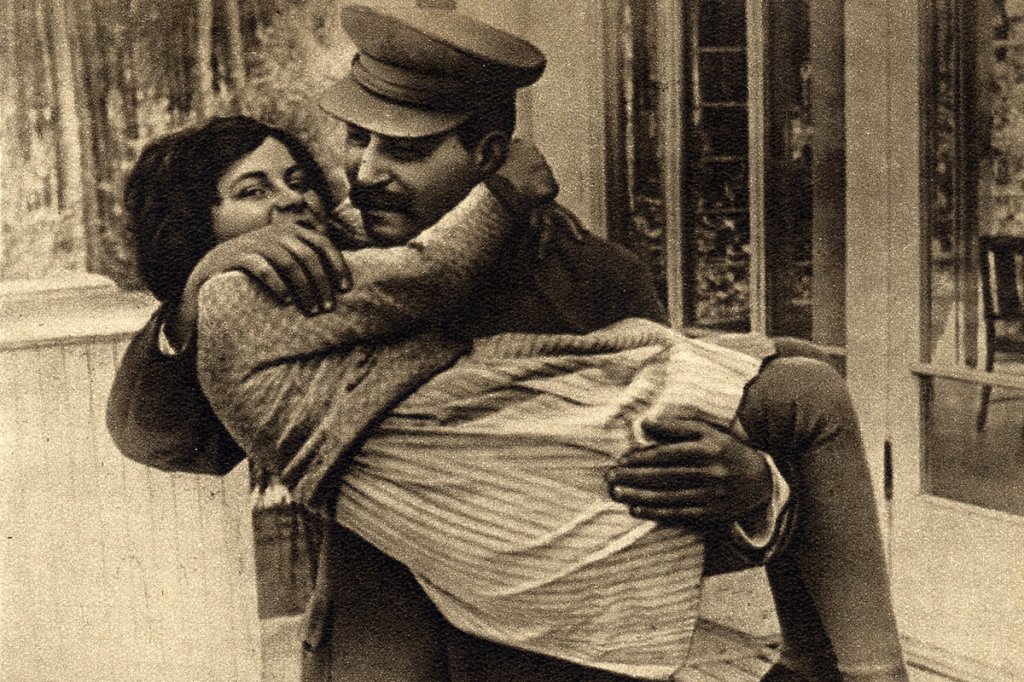
The girl whom Stalin called his “little sparrow” was in New Delhi to honor her late, common-law husband, an Indian prince and communist named Brijesh Singh. Alliluyeva went to spread Singh’s ashes in the sacred Ganges River, per Hindu custom, and see his family.
Alliluyeva received a monthlong visa for her trip. As she recalled to the BBC, Russian officials tried to micromanage her every move and attempt to cut her visit short, but Alliluyeva pushed back.
“I couldn’t understand why such a simple thing as visiting [my] late husband’s relatives, why it was considered a political crime,” Alliluyeva told the BCC. “I couldn’t understand why I am not allowed to do that. That made me very determined. I was sure I was doing the right thing.”
Two days before her scheduled return to Moscow, Alliluyeva ate lunch with several Russian officials, including the ambassador. She asked for her passport back during that gathering; the Soviets usually kept it until they arrived at the airport. To her surprise, they gave it to her.
“That was very good for me,” Alliluyeva recalled to the BBC.
She left that lunch feeling more disillusioned than ever, but she still was not sure about defecting. Her two children were in Russia, and her name was sure to make international headlines and cause even more tensions between the U.S. and its Cold War rival.
In the end, Alliluyeva made a spur-of-the-moment decision. She packed a small suitcase, told the Soviet ambassador she was headed out to finalize travel plans, and hailed a taxi.
The cabbie drove her straight to the U.S. Embassy.
She Called Stalin a Monster
From Rome, U.S. officials flew Alliluyeva to Geneva. She remained there while the American government contemplated its next move. Finally, President Lyndon B. Johnson offered Alliluyeva asylum on humanitarian grounds.
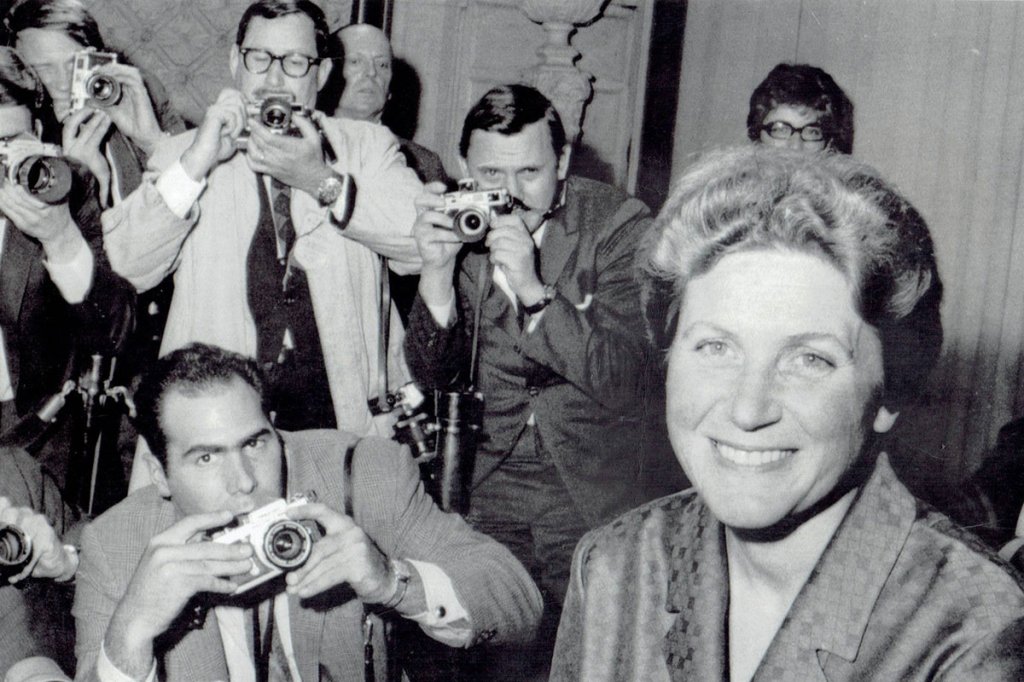
When she arrived in New York on April 21, 1967, a media frenzy ensued. Alliluyeva burned her Russian passport and called her father “a moral and spiritual monster.”
Alliluyeva came out with a memoir about her defection, “Only One Year: How Joseph Stalin’s Daughter Broke Through the Iron Curtain,” in 1969. The following year, she married an American architect, took his last name, and became Lana Peters.
In the subsequent years, Peters moved around the U.S. and Europe, seemingly never staying in one place for any significant length of time. She caught the world’s attention again when she returned to Russia in 1984 and claimed the CIA coerced him.
Returning to America
Peters didn’t stay in her native homeland for long, either. Two years, to be exact.
Disavowing her previous comments, Peters returned to America under a watchful eye. Ever since she first defected, the FBI closely monitored the movements of Stalin’s only daughter to see how they affected international relations.
Peters was 85 years old when she died of colon cancer in Wisconsin in 2011.
“It’s a rather isolated life from the people, from the world, from everything, and I must say I was used to that life,” she told the BBC in 1969. “I lived many years like that. This habit to that kind of life makes one feel paralyzed, as if you never will live again.
“I feel so much different now.”
Don’t Miss the Best of We Are The Mighty
• The Cuban Missile Crisis: 13 days that almost ended the world
• How this Air Force spy plane traveled from coast to coast in record time
• The secret telegram that defined the Cold War before it began
Featured

Loading comments…
Comments couldn’t be loaded. Please refresh the page.