
In 1941, Nazi Germany invaded the Soviet Union, and the fighting that followed became some of the most brutal combat in all of human history. In the years that followed, a staggering 15-20 million soldiers would die on the Eastern Front of the war in Europe.
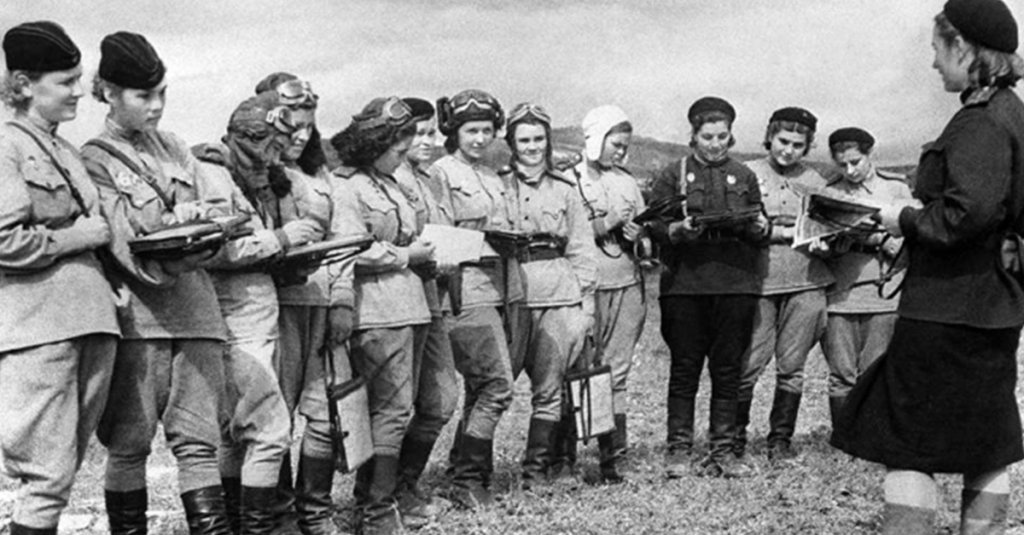
An ambitious, patriotic group of women aviators did their share of fighting off the Nazi war machine. They bombed railway stations, warehouses, barracks, and fuel supplies in obsolete wooden airplanes. The only sound that presaged their arrival was the slight woosh of their glide path.
Also Read: 6 military spouses who grabbed a weapon and joined the fight
Like so many people around the world in the early days of flight, Soviet citizens were enamored by aircraft. A lot of them joined civil organizations to learn how to fly. So when World War II came barreling into the USSR from Nazi Germany, there was no shortage of female aviators.
Famous aviatrix Marina Raskova lobbied Soviet dictator Joseph Stalin for permission to form women’s pilot regiments. Out of necessity, Russia became the first country to allow women to fly combat missions and formed three of those regiments.
The most fearsome of these units (for the invading German Army, at least) was the 588th Regiment, which became known as the Nachthexen or“Night Witches.”
And it was a name the women adopted with pride.
The Night Witches were not treated equally to their male counterparts. They were the only regiment made up entirely of women, ranged in ages from 17 to 23, wore hand-me-down uniforms from male pilots, and flew militarized crop-dusters: Polikarpov Po-2 biplanes.
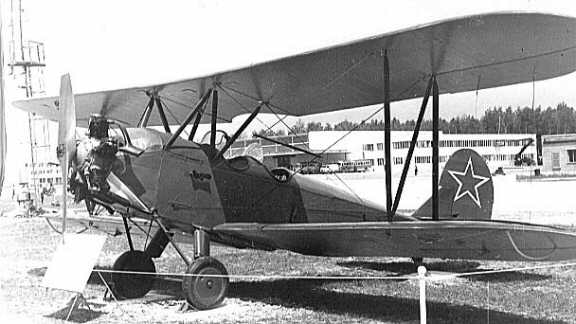
The old biplanes were as dangerous to their pilots as the enemy. Made mostly of wood and canvas, it would ignite like paper when hit by tracer bullets. The pilot and navigator sat in open cockpits, with only small, glass windscreens to protect them from the savage Russian winters.
To top it all off, the aircraft carried neither a radio nor a machine gun. The Po-2 could carry only two 220-lb. bombs at a maximum speed of 94 mph. Because of the weight of the bombs they carried and the low altitudes at which they flew, they also carried no parachutes. They had no radar to help navigate through the night skies, only maps and compasses.
The courageous and smart women who made up the 588th, however, used these trainer planes’ shortcomings to their advantage. Because of the planes’ primitive construction, German radar could hardly see their approach, so they were assigned to harass the enemy at night. Often operating in a de facto kind of stealth mode, they would idle engines as they neared their targets, and then glide to the bomb-release points.
As a result, their planes made little more than soft “whooshing” noises as they flew by. Until, that is, they dropped their bombs right in the middle of sleeping Nazi formations.
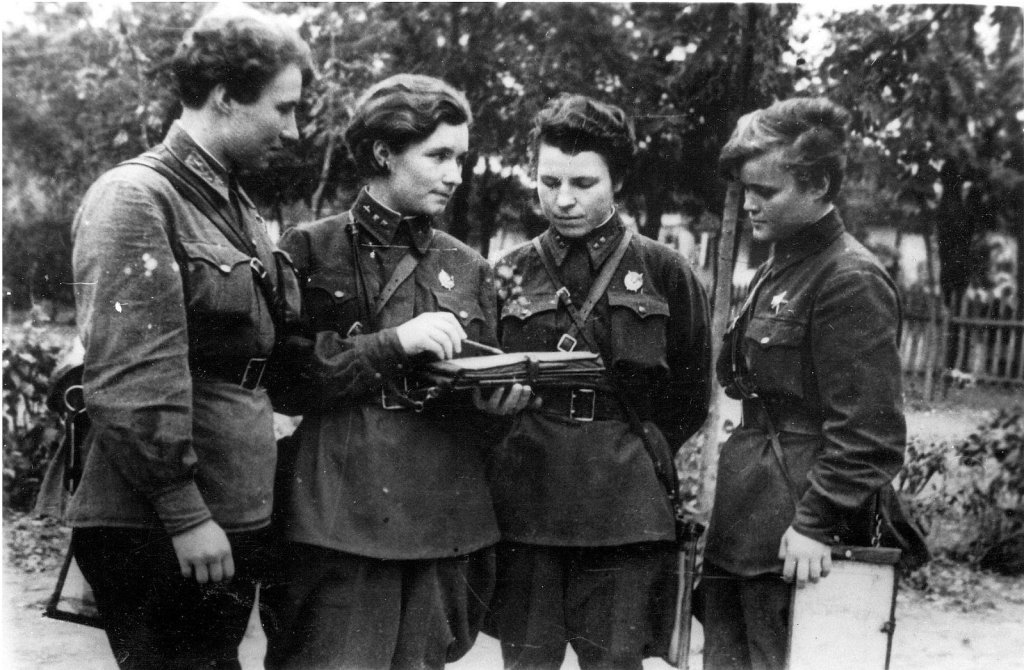
The Germans became terrified of the “Night Witches” and spread wild rumors that the women were given special injections that gave them feline-perfect night vision.
Enemy soldiers often would even refuse to go outside and smoke for fear of letting the bombers know where they were. The “Night Witches” were so effective and elusive that German pilots received the Iron Cross and a cash award of 2,000 Reichsmarks for shooting one down.
Dealing with daily sexual harassment on the ground and grueling night runs (sometimes up to 18 sorties per night), the women were battle-hardened and feared very little. However, the all-female aircrew did fear one thing above all else, and that would be what might occur if they were grounded and captured alive by the Germans.
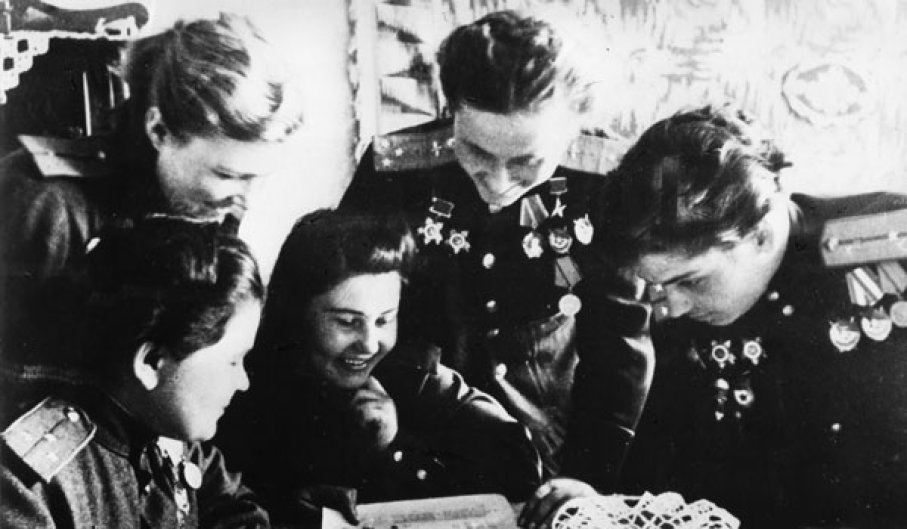
“All of us were provided with one extra bullet, and if I could see I was being circled by the enemy, of course, I could take out my pistol and shoot myself as a last resort,” said one navigator in the 588th.
The female fighter pilots initially struggled, but later earned the respect of their brothers-in-arms. As a regiment, they flew more than 24,000 combat missions and dropped 3,000 tons of bombs and 26,000 incendiary bombs.
The leader of the 588th Regiment, Irina Sebrova, became one of the most decorated pilots in the Soviet Army and was awarded the distinctions of Hero of the Soviet Union and the Order of Lenin. Sebrova also received three Orders of the Red Banner, the Order of the Patriotic War, 1st and 2nd class, the Order of the Red Star, along with other various medals.
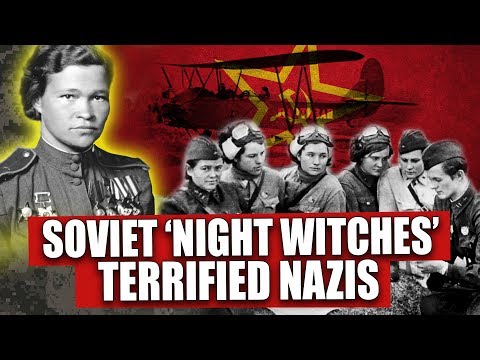
WW2 'Night Witches' TERRIFIED the German army
The “Night Witches” didn’t have great planes, powerful bombs, or even much support for their unit, yet they became one of the most remarkable fighting forces of World War II.
No broomsticks required.
Don’t Miss the Best of We Are The Mighty
• The British crippled the Italian Navy in World War II using old biplanes
• Hell hath no fury like this Russian war widow who bought a tank to fight WWII
• North Korean ‘Night Witches’ raided United Nations bases during the Korean War

Loading comments…
Comments couldn’t be loaded. Please refresh the page.