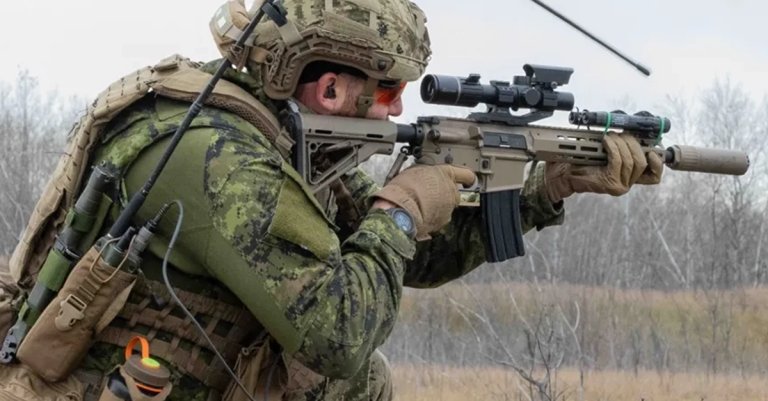
Every year, tons of military supplies are labeled as “surplus” by the U.S. military, and these can be anything from rucksacks to rocket launchers. But when weapons or weapons systems are slapped with a surplus label, there’s an entire process in place for de-weaponizing them.
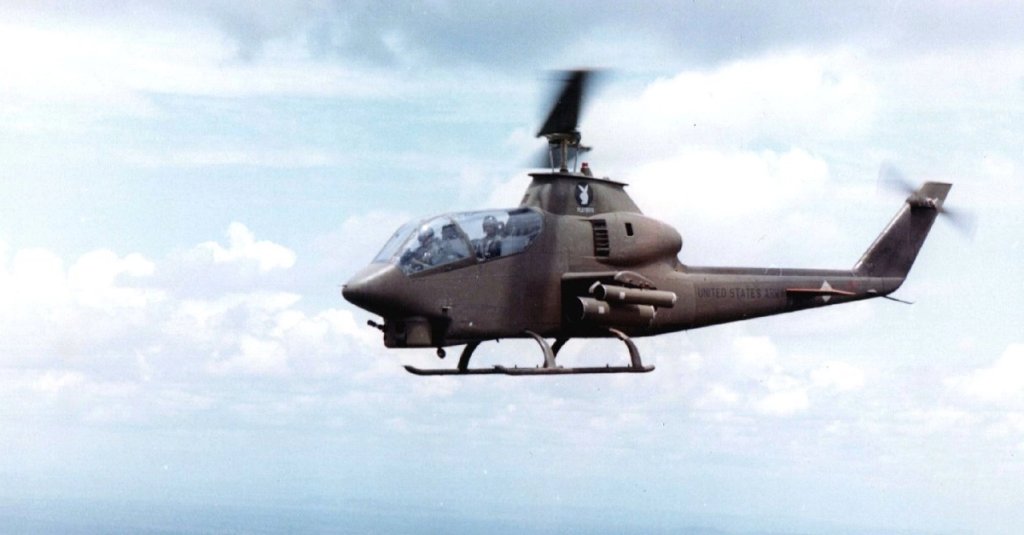
During the U.S. military’s post-Cold War drawdown, the process was so overwhelmed by surplus gear that some weapons-grade surplus managed to trickle through. That’s how Ron Garlick was able to rebuild one of the Army’s deadly Cobra helicopters and use it to hunt wolves.
Related: The tiny Cold War helicopter the Marines almost took into combat
The year Garlick purchased his Cobra parts, the process in place seemed simple enough. Decommissioned items are sent to a Defense Reutilization and Marketing Office. Then they are inspected and sorted before being offered to other government agencies or museums. If there are no takers, the items are auctioned off.
Weapons for these auctioned items are supposed to be altered, mutilated, or otherwise demilled so they can never work as a weapon ever again. It turns out that doesn’t happen 100% of the time. For something like an Army attack helicopter being sold on the civilian market, it must first undergo a more extensive demilitarization.
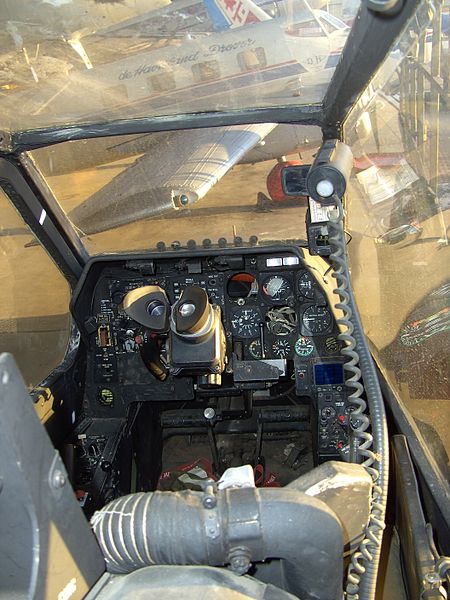
In 1996, the regulations stated that aircraft, like attack helicopters, had to be cut into at least three parts. Then the “airframe [must be] mutilated by destroying attaching structure by cutting, chopping, tearing, shredding, crushing, or smelting to the degree that the aircraft will be unfit for repair or flight.”
But military surplus weapons are often found in the hands of civilians. A three-month investigation by U.S. News and World Report in collaboration with CBS’s 60 Minutes found many instances where small arms and other weapons trickled through to civilians and foreign buyers. Things like .38-caliber handguns and complete TOW antitank missiles were labeled with the same resale code as desks and chairs.
Garlick ran a helicopter repair company near Missoula, Montana, and spent a lot of time rebuilding and repairing modified UH-1 Huey helicopters used in logging and construction. He believed the Cobra attack helicopter would make a fantastic helicopter for both purposes, as well as for firefighting and renting to movie productions.
But federal prosecutors soon discovered that another business owner, Alan Sparks of Joshua, Texas, owned 88 Cobra helicopter bodies, along with all the necessary parts to get them airborne. He also owned all the weapons needed to arm them. The government seized the weapons and parts once it was discovered, capturing $40 million in excess military hardware.
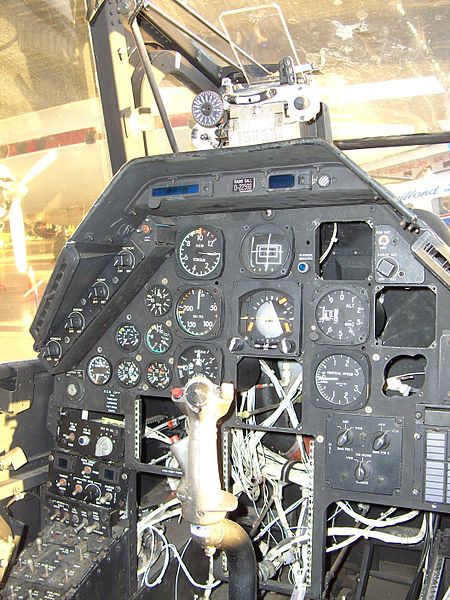
The seizure shocked Ron Garlick, who telephoned the Pentagon and the prosecutors responsible for seizing Sparks’ massive trove of airborne weapons. Garlick had built a complete Cobra and was even flying it and using its weapons.
“I have a significant amount of intact weapons and weapons systems,” Garlick confirmed to 60 Minutes. “Mine was fully armed. I had rockets on it and machine guns. I was out there shooting coyotes with them.”
Not wanting to get into any kind of fight with the U.S. government, in a courtroom or anywhere else, he offered to give his Cobra up to them. He said the government could have his Cobra and its weapons, “if they were willing to buy them.”
The FBI was very close to raiding Garlick’s property to seize the helicopters, but ultimately decided not to, after discovering that civilians owned some 23 Cobra helicopters around the country. Garlick told U.S. News and World Report that even if the Cobras were properly demilled, he would still be able to build one.
“If they were built once, I can rebuild it, and no one can stop me,” he said.