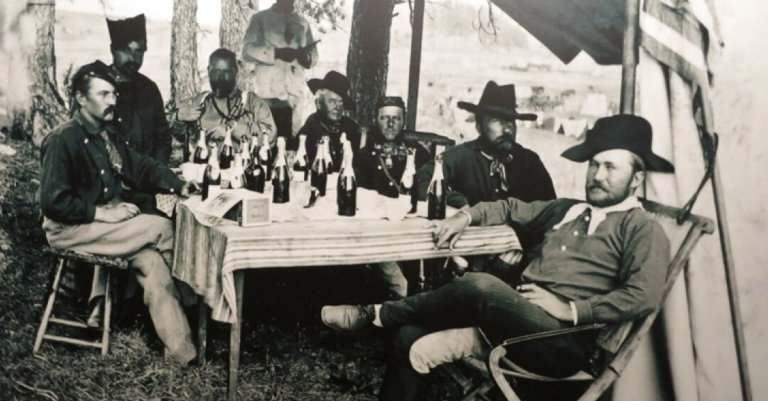
When the United States entered World War I in April 1917, it was the first time since the Civil War that the war effort truly required the participation of everyone, both military and civilian, to contribute their efforts. The civilian population on the home front couldn’t do much without enlisting or being drafted, but they did mobilize by cutting back on many home staples.
The U.S. government implemented a rationing system, but during World War I, the system was voluntary, unlike the forced rationing of World War II. Rationing foods in the home meant some cooks had to get pretty creative with what they ate on a daily basis – and it wasn’t all good. Some of it was downright upsetting.
Here are six surprising foods that people ate on the home front of World War I:
1. Cornmeal Mush
We’re not talking about Frosted Flakes or even Corn Flakes here; we’re talking about cornmeal itself. The U.S. government needed wheat for the front lines, and it wanted civilian consumers to cut back on their consumption of the grain. America has long been a corn-powered nation, and now the government needed to double down on the staple crop.
Cornmeal, when mixed with a bit of water or milk, forms a porridge-like substance that can be sweetened with maple syrup. Sometimes people would add a little milk to the bowl for a thinner consistency, and sometimes they would fry a thicker version of it in little slices.
2. Sea Steaks and Sea Beef
Warning: the names of both of these dishes are misleading. They might be from the sea, but they are not beef. Beef was needed for the Doughboys fighting overseas, so food conservation enthusiasts came up with these nicknames for whale meat. Those who could afford it could enjoy dishes like curried whale and Whale Steak à la Vancouver.
3. Instant Custard
Today, we still (mostly) enjoy instant pudding, and we have World War I to thank for the rise of powdered food at home. Although we’ve largely given up on things like powdered custard, grocery stores still offer powdered and dried soups, as well as other instant foods. During World War I, everyone could get as much as they wanted without touching their rations.

4. Crisco
Before World War I, the most popular way to cook was with either the fat from the animal you were already cooking, or with lard, rendered fatty tissue from pigs. During the war, however, meat and fat were in high demand for the front, and what civilians did eat wasn’t about to go to waste. Crisco was created as a vegetable-based replacement for fat and lard. It’s plant-based, so it has to be good for you, right?
5. Potted Cheese
If you’re thinking of some kind of government cheese in a can or tin, think again. This is about using leftovers, specifically cheese. Potted cheese was made by combining the leftover cheese parts from other recipes and storing them together until enough was accumulated to mix with mustard and margarine. The mixture was then baked and spread over toast.
6. Bread Soup
We’ve all heard of a soup sandwich, but this one flips that idea on its head. Bread wasn’t rationed during the war, but it was made with a lot of different flours, since wheat was generally reserved for the war effort. Barley and other glutinous grains were used. The pieces of those loaves that weren’t used were still put to good use, added to stews and soups to thicken them up and add calories.