
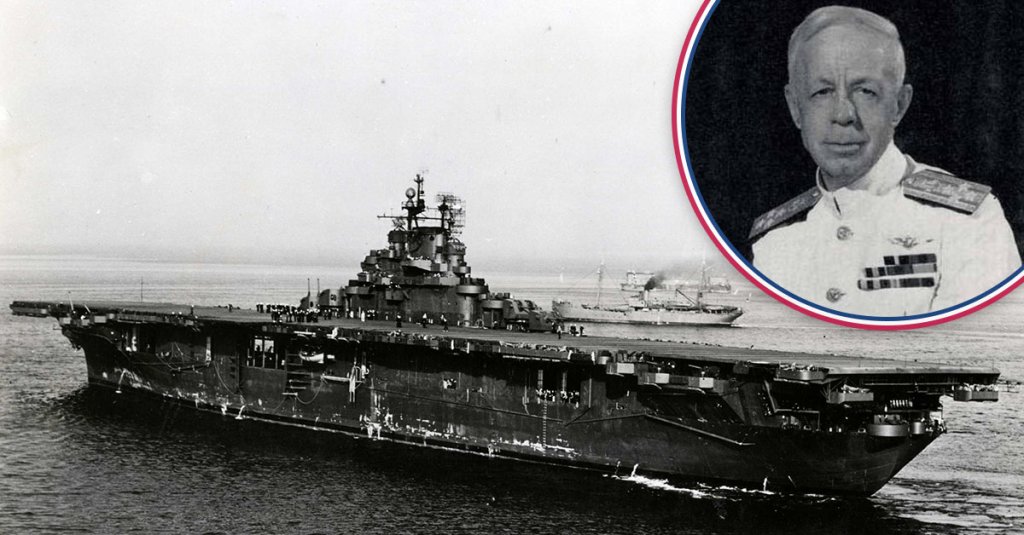
An American admiral launched an almost perfect carrier attack on Pearl Harbor during an exercise in 1932. Still, the military failed to learn its lesson, allowing the Japanese to launch almost exactly the same attack 9 years later.
Rear Adm. Harry E. Yarnell was an early proponent of aircraft carriers, but his displays of air power were discounted by most of the admiralty.
The aircraft was invented in 1903, and the military began exploring its use in combat almost immediately. But different military branches from different nations moved at different speeds, and many navies considered planes nothing more than observation platforms.
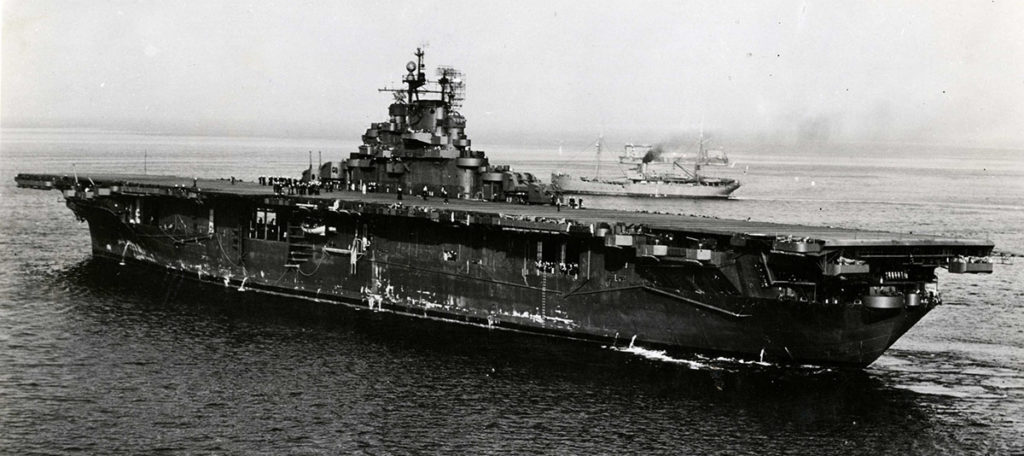
In World War I, pilots bombed enemy targets by throwing munitions from their planes, but aerial bombing was still considered a stunt by many, and the U.S. Navy brass was convinced that airplanes weren’t a threat to their capital ships.
Between the wars, aviation pioneers tried to convince the Navy and Army of the importance of planes in the next war. Army Gen. William “Billy” Mitchell had some success in 1921 when his men sank the captured German battleship Ostrfriesland in a test.
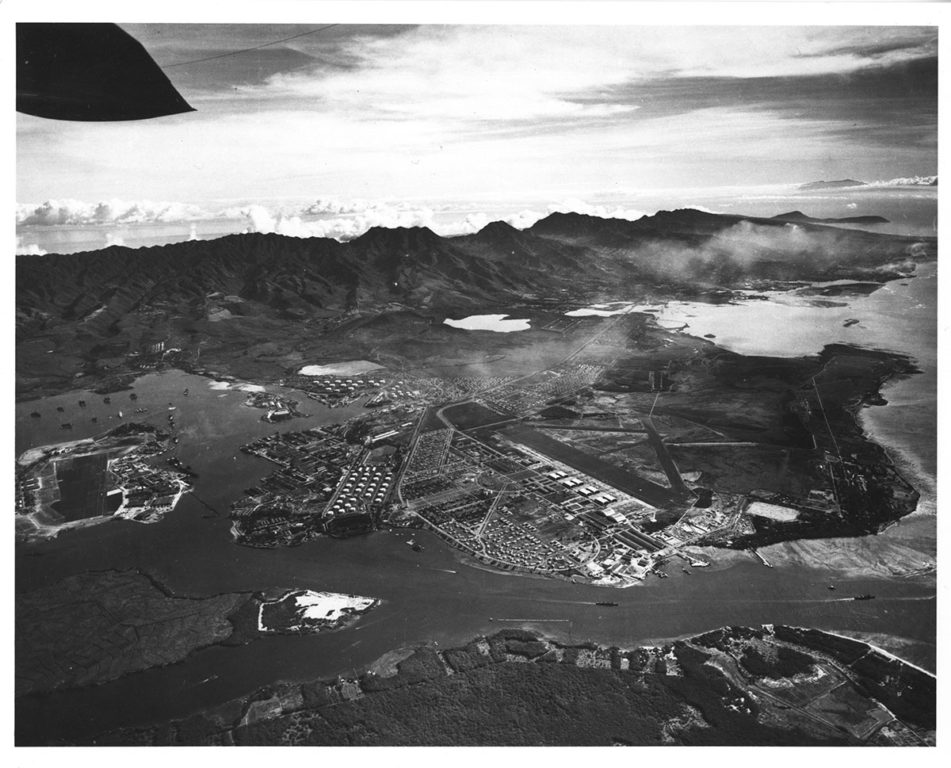
Eleven years later, Yarnell was given command of the attacking force in an annual exercise to test the U.S. defenses at Pearl Harbor, Hawaii. The defenders were sure that he, like all of his predecessors, would launch his attack using his battleships and cruisers.
Instead, he turned to his carriers.
Yarnell ordered his cruisers to remain near San Diego in complete radio silence. At the same time, his two carriers, the USS Lexington and USS Saratoga, proceeded to Pearl Harbor with three destroyer escorts inside a massive rainstorm that hid them from enemy observers and radar.
On the morning of Sunday, Feb. 7, 1932, the attacking fleet was in position, and Battleship Row was essentially asleep, just like it would be on Dec. 7, 1941. And, except for Japan’s use of modified torpedoes and the size of the respective fleets, the attacks were nearly mirrors of one another.
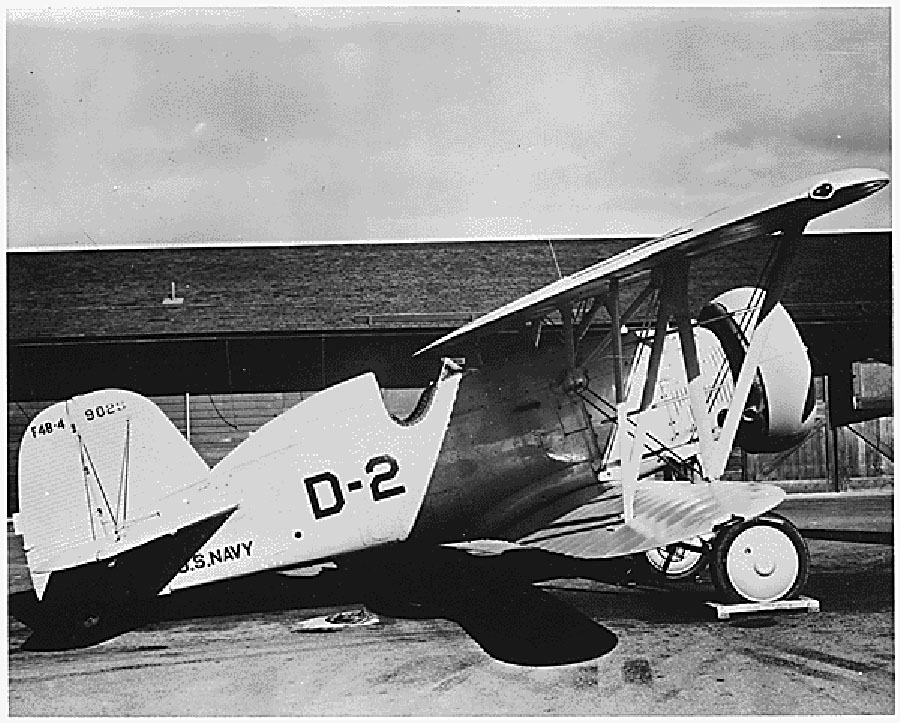
The fighters took off first, F-4Bs. They launched strafing runs against the defenders’ fighters, barracks, and other assets, keeping them from taking off. Behind them, flights of BM-1 dive bombers dropped flares and bags of flour that simulated bombs, “destroying” every single battleship and many of the other vessels.
Like the Japanese, Yarnell attacked from the northeast and, like the Japanese, he attacked in the wee hours of a Sunday morning.
The referees of the exercise declared Yarnell the clear winner, but later reversed their decision after Pearl Harbor admirals and generals complained that Yarnell had acted unfairly.
Their complaints included that Sunday morning was an “inappropriate” time for an attack and that “everyone knew that Asians lacked sufficient hand-eye coordination to engage in that kind of precision bombing,” according to Military.com.
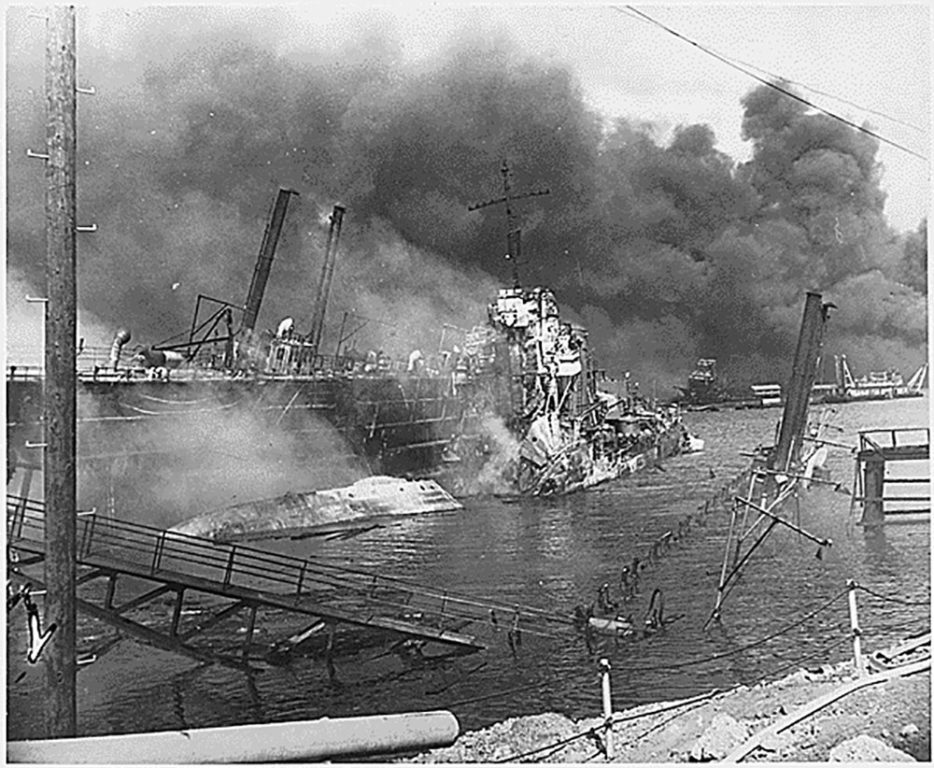
Good ol’ racism, stopping military preparedness. The Japanese, meanwhile, had naval officers at their consulate on Oahu who witnessed the exercise and read the press coverage that followed, allowing them to report on it to their superiors almost 10 years before Japan launched its own attack.
The bulk of the U.S. military refused to accept the result, just like many of them refused to accept the result of Mitchell’s bombing of the German battleship. In 1941, average sailors and soldiers paid the price for their hubris.
Don’t Miss the Best of We Are The Mighty
• Pearl Harbor forced this civilian plane to fly around the world
• Why the lessons from the Attack on Pearl Harbor still matter today
• These pilots fought back during the attack on Pearl Harbor
Loading comments…
Comments couldn’t be loaded. Please refresh the page.