
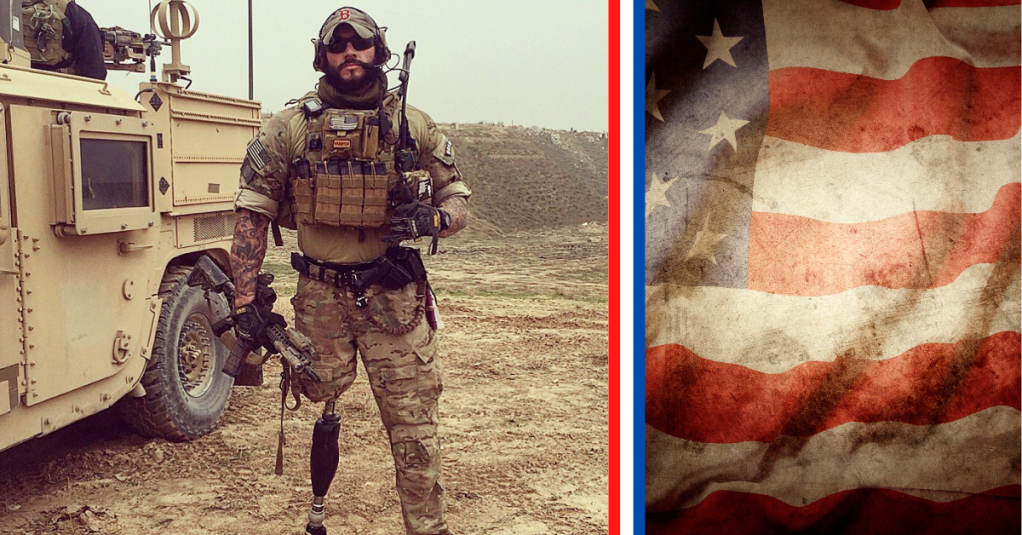
Machine fighter. That’s what the African locals called Green Beret CW2 Nick Lavery on his deployments after returning to his Special Forces team as an amputee. After his life-threatening injury, the Green Beret was told he was never going to be an operator again.
Related: The original Green Berets: tracing the roots of US Special Forces
He proved everyone wrong.
Patriotic Roots
Lavery comes from a military family. The Boston native had an uncle who served, and his grandfather was in the military during World War II. Lavery was a sophomore in college when terrorists brought down the Twin Towers in New York and crashed a plane into the Pentagon.But first, he was a Boston native who loved football.
“Seeing my countrymen making the choice between burning alive in a building or jumping out of it just filled me with absolute rage,” Lavery said. “At that point, I really struggled to stay in school, because I knew where things were going and I wanted to be part of that response.”
Lavery earned his degree in criminal justice in 2007, with an eye on being something bigger than himself.
Tip of the Spear
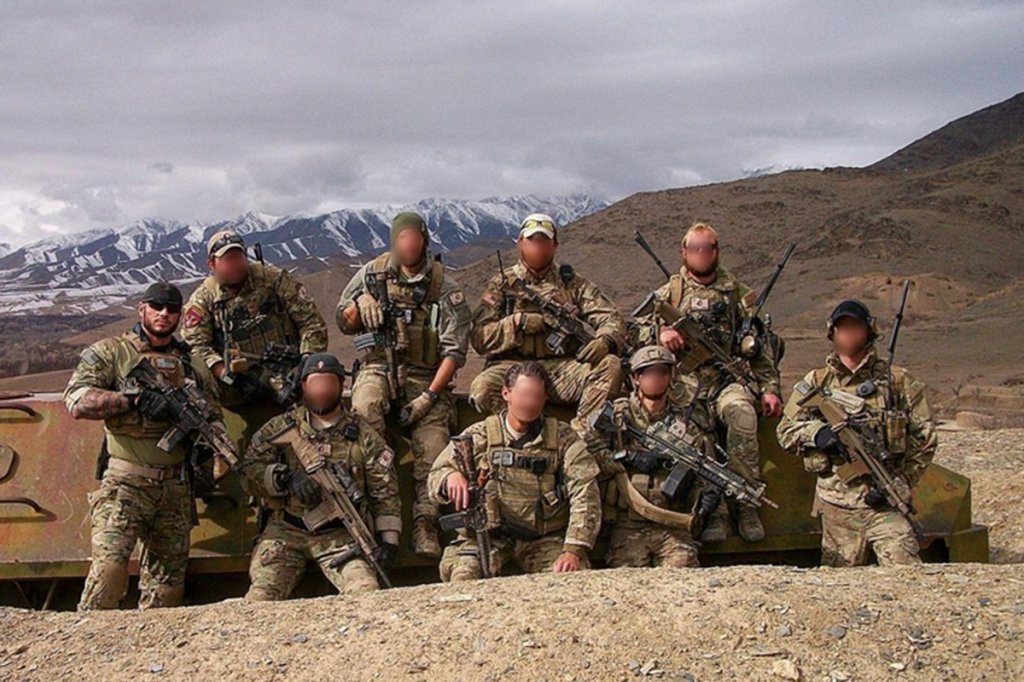
It wasn’t long before Lavery found his calling in becoming a Green Beret. Halfway through his first deployment, he reenlisted.
March 11, 2013, was a morning like any other, starting with a briefing for a joint mission with Afghan Army Special Forces leadership and the team. Lavery was nearing the end of his second combat deployment to Afghanistan. He finished his comms check and turned around to go to his vehicle. Gunfire erupted without warning.
He realized it was an insider attack.
The lone gunman quickly morphed into a full-fledged ambush to their camp. Lavery saw a young soldier out of the corner of his eye, completely frozen. Without regard to his safety, Lavery ran to get the soldier to cover and took machine-gun rounds to the legs as soon as he made it in front of him.
It took three tourniquets and using his own fingers to stop the severed femoral artery in his right leg to keep from bleeding out, effectively saving his life.
The first medivac flight led to Lavery receiving the wrong blood type in a transfusion, almost killing him. On his second, he coded in air and the prognosis for survival was grim. But he made it to Bagram Air Force Base and through the initial surgeries, one that took his right leg.
The New Battle Begins
Lavery’s fight had just begun.
“From the time that I was in the intensive care unit at Walter Reed, still really fighting for my life, I made the decision that I wouldn’t be satisfied with just staying in the Army or staying on active duty,” he said. “I had to go back to the exact same lifestyle I just left, and it was non-negotiable for me. I had a goal I could grab onto. I could smell it, I could touch it, and I could see the details of it.”
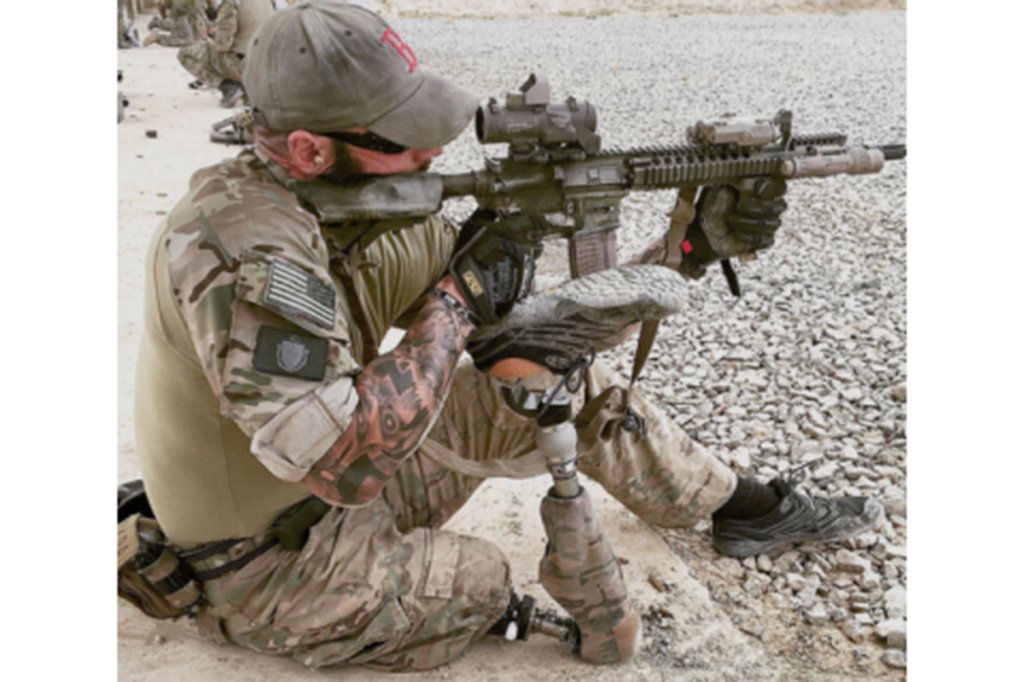
Though the military as a whole began allowing amputees to avoid medical retirement and stay in, no one had stayed in the Army Special Forces and deployed with their teams after losing a limb. Lavery fought through more than 30 surgeries and endless rehab to prove himself ready for combat.
Just more than two years after becoming an above-the-knee amputee, Lavery was back on his 3rd Special Forces Group ODA and in Afghanistan.
Making it back to his team and deploying to Afghanistan with a prosthetic leg earned Lavery a lot of notoriety when he returned.
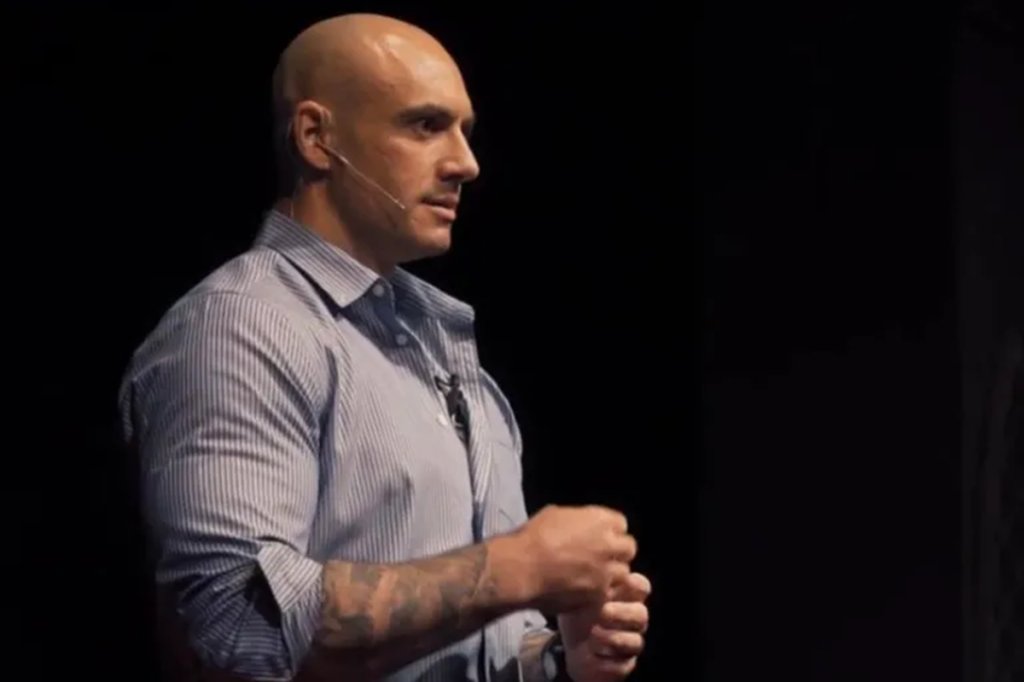
Despite being laser-focused on his role, invitations to speak at events rolled in. Lavery admitted it was really hard at first, but he ultimately saw a responsibility in sharing his story to help others.
A college friend encouraged him to write a book, which he blew off initially. It was July 2020, he just finished combat diving school (another first as an amputee), and he had plenty of time in the midst of the COVID-19 pandemic.
Knowing he had four months until his next deployment, Lavery started typing. While he was overseas, his book went through the Defense Department and SOCOM approval process.
Becoming an Author
Lavery said the book didn’t become real to him until he received the first edits back. In that moment, Lavery took a tactical pause and reassessed.
“Objective Secure: The Battle-Tested Guide to Goal Achievement” was published on January 19, 2022. Lavery said the feedback and witnessing the book’s impact made the doubts and hard work completely worth it.
Lavery is not only still an active-duty Green Beret, but also a husband, father, author, and speaker. The 6-foot-5 warrior is highly committed to maintaining his health and physical fitness. Managing his time is challenging.
“I live a really lean and structured lifestyle,” Lavery said. “… For me, it just has to start with a very clearly defined set of priorities that I have to keep myself in check. My family is the highlight of my life, and they are No. 1, period. When I go to work, I have a job to do, and it can be a whole bunch of different things. But when I come home, I’m a husband, and I’m Dad. I get on the floor, and I play Legos and I build forts. ”
A Family Guy at Heart
That description may go against the typical assumptions made about Special Forces operators, but Lavery is insistent that most team guys are family guys.
They are more than hardened warriors.
“This is not a dress rehearsal,” Lavery said. “I’ve been as close to death as it gets, and life is a gift. We have this one shot at this game [life]. We all know that it is going to end at some point. So why not just leave it all out on the field?”
To purchase “Objective Secure,” click here. You can also follow this badass Green Beret on Instagram @nick.machine.lavery or LinkedIn.
Don’t Miss the Best of We Are The Mighty
• The difference between Special Forces and special operations (and why words matter)
• The 10 most lethal special operations units from around the world
• What actor Blair Underwood learned from his mother’s life as a military spouse
Featured
Loading comments…
Comments couldn’t be loaded. Please refresh the page.